Beyond EVs: Exploring Affordable PHEVs and Hybrids in Australia
The buzz around electric vehicles (EVs) in Australia is undeniable. From sleek Teslas to innovative newcomers, it seems like everyone is talking about the future of motoring being fully electric. And while the long-term vision of a 100% EV fleet is exciting and necessary for a sustainable future, for many Aussie households, the upfront cost, range anxiety on long drives, and charging infrastructure still present significant hurdles. What if there was a stepping stone, a practical and often more affordable alternative that still delivers substantial fuel savings and reduces your carbon footprint, especially when paired with your home solar system? Enter the world of Plug-in Hybrid Electric Vehicles (PHEVs) and traditional Hybrids. These often-overlooked champions are perfectly positioned to bridge the gap, offering the best of both worlds without the full commitment (or price tag) of a pure EV.
Why Consider Hybrids and PHEVs?
For many Australian drivers, hybrids and PHEVs make a lot of sense right now. The immediate benefits are compelling. Firstly, they're generally more affordable to purchase than comparable pure EVs, making the transition to electrified driving more accessible. Secondly, they drastically improve fuel efficiency compared to conventional petrol cars, meaning fewer trips to the bowser and more money in your pocket. This is particularly noticeable with rising fuel costs. Environmentally, you're still making a positive impact by reducing your tailpipe emissions. And critically, neither hybrids nor PHEVs suffer from range anxiety – hybrids simply keep going, and PHEVs have a petrol engine to kick in once the electric range is depleted. For solar homeowners, a PHEV offers the exciting prospect of "driving on sunshine," dramatically cutting running costs.
Understanding the Differences: Hybrid vs. PHEV
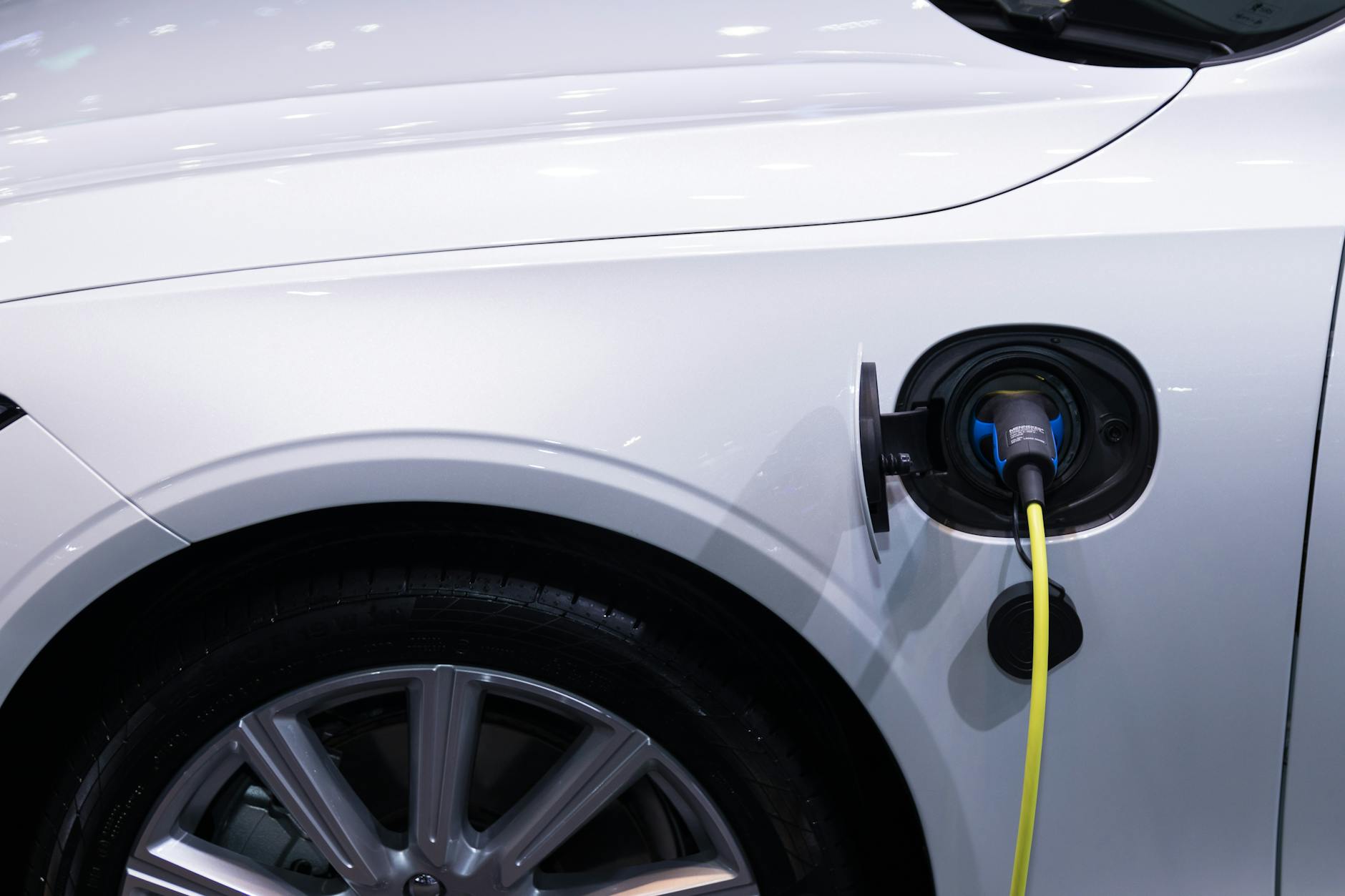
While both technologies combine an electric motor and a petrol engine, their approach to efficiency and electric driving differs significantly. Traditional Hybrids (HEVs) are "self-charging" – they don't plug into a power point. Their small battery is recharged through regenerative braking and the petrol engine, primarily assisting the engine to improve fuel economy during acceleration and allowing short bursts of pure electric driving at low speeds. They are fantastic for urban environments. Plug-in Hybrid Electric Vehicles (PHEVs), on the other hand, feature a larger battery pack that can be charged from an external source, just like a pure EV. This allows them to drive significant distances (typically 30km to 80km) purely on electric power, making daily commutes emission-free if charged regularly. Once the electric range is exhausted, the petrol engine seamlessly takes over, eliminating any range concerns.
Affordable Hybrid Options in Australia
Australia's hybrid market is robust and growing, with several manufacturers offering excellent value. Toyota has long been the leader here, and for good reason. The Toyota Corolla Hybrid is an absolute workhorse, starting from around $32,000 before on-road costs. It's renowned for its reliability and exceptional fuel economy, often achieving 4.0-4.5 litres per 100km. If you need something larger, the Toyota Camry Hybrid (from around $39,000) offers impressive comfort, space, and similar excellent fuel efficiency for families or longer commutes.

Beyond Toyota, the Hyundai Kona Hybrid (starting near $36,000) offers a popular compact SUV form factor with great styling and a competitive fuel consumption figure. For those who venture off the beaten track or live in regional areas, the Subaru Crosstrek Hybrid (from about $40,000) provides the brand's legendary all-wheel-drive capability combined with hybrid efficiency. These models prove that you don't need to break the bank to enjoy the benefits of hybrid motoring.
Affordable PHEV Options in Australia
The affordable PHEV segment is currently a bit smaller but is rapidly expanding. For many, the MG HS Plus EV (often advertised from around $49,000 driveaway) stands out as Australia's most accessible PHEV SUV. It offers a useful electric-only range of around 52km (WLTP), which is perfect for most daily commutes. With a full charge overnight (or during the day using your solar), many owners find they rarely use petrol during the week, making it incredibly cheap to run.
Another strong contender, and a pioneer in the PHEV space, is the Mitsubishi Outlander PHEV. While higher trims push towards EV pricing, the entry-level ES model can be found from around $55,000 plus on-roads. It boasts a very practical electric range of about 55km (WLTP) and offers the versatility of an SUV. Higher variants even offer Vehicle-to-Load (V2L) functionality, turning your car into a mobile power bank – a fantastic feature for camping or power outages. These PHEVs offer a genuine taste of electric driving without the full commitment.
The Solar Synergy: Charging Your PHEV at Home
This is where PHEVs truly shine for Australian homeowners, especially those with solar panels. Imagine getting home after your commute, plugging your PHEV into a standard wall socket (or a dedicated EV Charger for faster top-ups), and letting your rooftop solar system fill up its battery for free. This means you’re literally "driving on sunshine" for your daily errands and work commute. The low running costs are immense, as you significantly reduce your reliance on petrol, using the grid only when your solar isn't generating enough, or during off-peak times. It’s a powerful combination that enhances your energy independence and maximizes the return on your solar investment.
Making the Right Choice for You
Choosing between a hybrid, a PHEV, or a full EV depends on your specific needs, budget, and driving habits. If your daily commute is short (under 50km) and you have easy access to home charging (especially with solar), a PHEV is a fantastic option, offering the best of both worlds. For those with longer commutes, less access to charging, or a tighter budget, a traditional hybrid still provides excellent fuel savings and reduced emissions with zero charging fuss.
Conclusion
While the future may be fully electric, hybrids and PHEVs represent an incredibly smart, practical, and increasingly affordable path for Australian drivers right now. They offer a tangible step towards cleaner motoring, significant savings at the bowser, and for solar homeowners, the exciting prospect of driving on sunshine. Don't overlook these clever alternatives; they might just be the perfect vehicle to power your Australian lifestyle into a more sustainable future.
Read More
For a comprehensive overview, check out our master guide: Read the Full Guide Here.