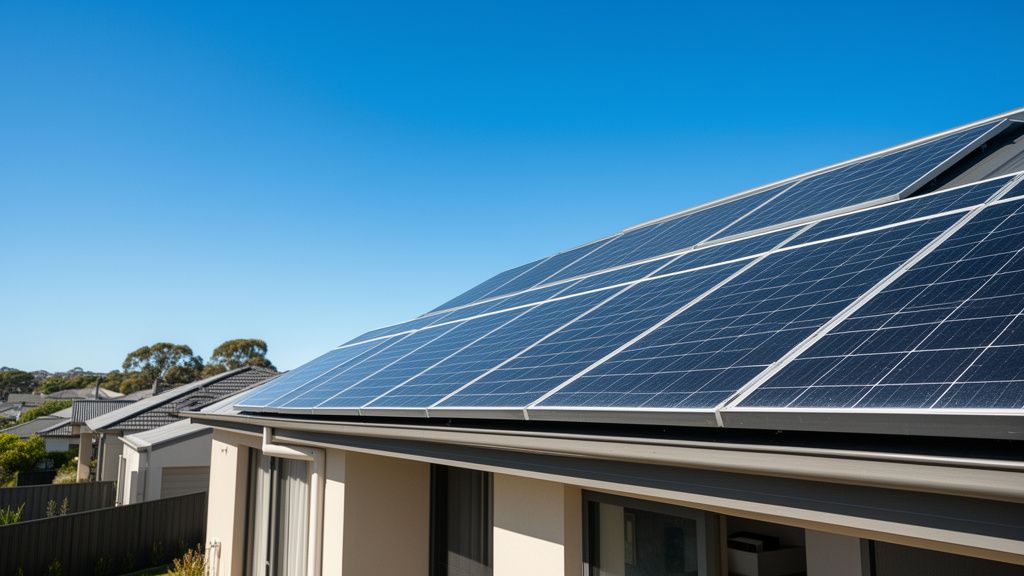
TL;DR: Virtual Power Plants (VPPs) link your home solar battery with others to create a collective power resource for the grid. Participating households earn money by allowing the VPP operator to intelligently discharge their battery during periods of high demand or grid instability. This helps stabilise the electricity network while providing financial benefits to battery owners.
What are Virtual Power Plants (VPPs) and how do they benefit the grid?
Virtual Power Plants (VPPs) connect numerous individual home solar batteries into a single, coordinated network. This aggregated system then operates as if it were one large power station, managed by a central operator. When the electricity grid experiences high demand, such as on a scorching summer afternoon in Brisbane, or when a traditional power generator unexpectedly goes offline, the VPP operator can instruct the connected batteries to discharge their stored energy back into the network. This rapid response helps balance supply and demand, preventing blackouts and reducing reliance on expensive, fast-start gas peaker plants. Essentially, your individual battery, combined with thousands of others, contributes to a more stable and resilient national electricity market.
How do VPPs help manage peak demand?
Australia's electricity grid faces significant stress during peak demand times, often mornings and late afternoons, or during extreme weather events. During these periods, wholesale electricity prices can skyrocket, and the grid risks instability. VPPs address this by making stored solar energy available precisely when it is needed most. Instead of building new, expensive power stations or relying solely on fossil fuels to meet these peaks, VPPs leverage existing distributed resources – your home batteries. This allows the grid operator to access a flexible, cleaner energy source almost instantly, reducing overall system costs and emissions. It’s a smart way to utilise renewable energy beyond your home's direct consumption.
How can your solar battery earn you money in an Australian VPP?
Your solar battery can generate income by participating in an Australian VPP through various payment models. Most VPPs pay you for the electricity discharged from your battery back into the grid during specific events, typically when wholesale prices are high or grid support is needed. These payments might come as a direct credit on your electricity bill, a reduction in your daily supply charge, or sometimes even a fixed monthly payment for simply being connected. For example, some VPP programs in South Australia offer up to $200-$400 in annual bill credits or payments for allowing your battery to participate. The amount you earn depends on the VPP program, your battery's capacity, and how frequently it discharges into the grid.
What are the common VPP payment structures?
Australian VPP programs commonly use a few payment structures. Some VPPs, like certain offerings from Origin Energy or AGL, provide a fixed monthly payment or a guaranteed annual credit, regardless of how often your battery is called upon. This offers predictable income. Other programs operate on a "pay-per-event" model, where you receive a specific payment for each kilowatt-hour (kWh) your battery discharges into the grid during a VPP event. This can be more lucrative during periods of high grid demand but offers less certainty. Amber Electric, for instance, allows customers with compatible batteries to directly participate in wholesale market events, potentially earning higher returns when prices surge. It is essential to compare these structures to see which best suits your energy usage patterns and financial goals.
What should you consider before joining an Australian VPP?
Before signing up for a VPP, assess the program's impact on your battery's warranty and its overall lifespan. Battery manufacturers specify a certain number of charge/discharge cycles or a total throughput (kWh) over the warranty period, typically 10 years. While VPPs generally use your battery for only a small percentage of its total cycles, usually 20-50 times a year, it is important to confirm that participation will not void your warranty or significantly accelerate degradation. Most reputable VPP operators design their programs to stay within battery warranty limits, often limiting discharge to around 80% to preserve battery health. Always review the VPP’s terms and conditions regarding battery usage and warranty implications, and check with your battery manufacturer if you have concerns.


How do VPP contract terms affect your battery ownership?
Understanding VPP contract terms is crucial, as they define your commitments and the VPP operator’s control over your battery. Look for details on lock-in periods, which can range from no fixed term to several years, and any potential exit fees if you decide to leave early. Some VPPs require you to use specific battery brands or models, while others are more flexible. Critically, understand how much control you retain over your battery. Most VPPs allow you to set minimum reserve levels, ensuring you always have power for your household during a grid outage, even if a VPP event is active. Clarify how VPP events are communicated, how often they might occur, and the expected payments or credits before committing. This ensures the program aligns with your household's energy independence and financial expectations.
Key Takeaways
- VPPs link your home solar battery with others to form a collective resource, helping stabilise Australia's electricity grid.
- You can earn money through bill credits, reduced supply charges, or direct payments for allowing your battery to discharge during VPP events.
- Always check the VPP's terms regarding battery warranty implications and how participation might affect your battery's lifespan.
- Compare different VPP programs for payment structures, contract lengths, and your level of control over the battery before joining.
Read More
For a comprehensive overview, check out our master guide: Read the Full Guide Here.


