TL;DR: Achieving energy self-sufficiency in an Australian home involves integrating rooftop solar PV with a battery storage system and optimising consumption, including charging an electric vehicle. This combination significantly reduces reliance on the grid, lowers electricity bills, and offers protection during blackouts, moving towards a truly sustainable household.
What Does Energy Self-Sufficiency Mean for an Australian Household?
Energy self-sufficiency for an Australian household means generating, storing, and consuming the majority of your electricity onsite, significantly reducing or eliminating reliance on the main grid. This goes beyond simply installing solar panels; it's about creating a holistic energy ecosystem where your home actively manages its power supply, ensuring clean electricity is available whenever needed. The primary drivers for Australians pursuing this vision are the escalating costs of grid electricity, the desire to minimise their carbon footprint, and the pursuit of enhanced energy security and independence from fluctuating market prices. Achieving this status provides not just financial benefits through drastically reduced or eliminated power bills, but also peace of mind knowing your home can operate autonomously, even during grid outages, offering a real sense of control over your energy future.
Beyond Just Solar Panels: The Storage Imperative
While solar panels are the cornerstone of a self-sufficient home, they only produce electricity when the sun is shining. To achieve true independence, a robust battery storage system is indispensable. Batteries capture and store the excess solar energy generated during the day, making it available for use at night or on cloudy days when solar generation is low. This crucial component bridges the gap between solar production and actual consumption patterns, turning intermittent solar power into a reliable 24/7 energy source for your home. Without adequate storage, much of your valuable solar generation would simply be exported to the grid, reducing your potential for self-consumption and bill savings.
The Economic and Environmental Drivers
For many Australian homeowners, the journey towards energy self-sufficiency is spurred by both financial savings and environmental consciousness. By generating your own power, you largely insulate yourself from rising electricity prices, which have seen significant increases across most states. The financial benefit is immediate and long-term, transforming a recurring utility expense into a manageable asset investment. Environmentally, opting for solar and battery storage dramatically reduces your reliance on fossil fuel-derived grid electricity, substantially lowering your household's carbon emissions and contributing to Australia's renewable energy goals. This dual benefit makes self-sufficiency an appealing and responsible choice for forward-thinking homeowners.
How Do Solar Panels and Battery Storage Work Together to Create an Independent Home?
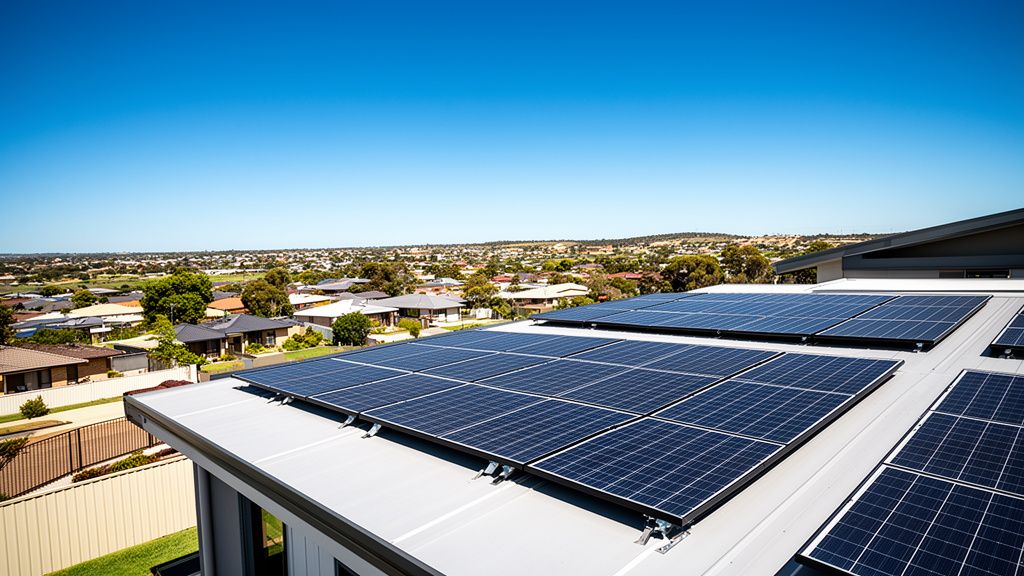
Solar panels generate clean electricity during the day, which is then used to power your home and simultaneously charge a home battery storage system, ensuring power availability even after sunset. This integrated approach allows households to maximise their self-consumption of renewable energy. During peak sunshine hours, your solar array produces more power than your home typically uses. This surplus energy is automatically directed to charge your battery bank. As evening approaches or during periods of low solar output, your home automatically draws power from the charged battery, seamlessly transitioning from solar to stored energy, thus maintaining a continuous, self-supplied electricity flow and significantly reducing reliance on the grid.
Sizing Your Solar and Battery System for Independence
To achieve significant energy independence, correctly sizing your solar and battery system is paramount. A typical Australian family home might consume between 15-25 kWh of electricity per day. To cover this demand, especially with charging an EV in mind, a solar system ranging from 8kW to 13kW is often recommended. This larger size ensures ample generation for both daytime use and battery charging. Complementing this, a battery with a usable capacity of 10-15 kWh is generally sufficient to power most household loads overnight. A professional solar installer can conduct an energy audit to precisely tailor system sizing to your specific consumption patterns and self-sufficiency goals.
Typical Costs and Incentives for Australian Installations
Investing in a solar and battery system represents a substantial, yet increasingly accessible, upfront cost in Australia. A robust 10kW solar system might cost between $8,000 and $13,000 after factoring in the federal Small-scale Technology Certificates (STCs). Adding a high-capacity home battery (e.g., 10-13.5 kWh) typically adds another $10,000 to $18,000 to the total installed cost. However, various state-based incentives can significantly reduce these figures. For example, some states offer low-interest loans or direct rebates for battery installations. These incentives, combined with the long-term savings on electricity bills, make the financial case for energy independence increasingly compelling.

How Can Electric Vehicles (EVs) Integrate into a Self-Sufficient Energy System?
Electric vehicles seamlessly integrate into a self-sufficient energy system by leveraging excess solar power generated during the day for charging, further reducing reliance on grid electricity for transport needs. By consciously pairing your EV charging habits with your solar production, you transform your car from an energy consumer into an extension of your home's sustainable energy ecosystem. Instead of drawing expensive grid power, your EV can be charged directly from your rooftop solar panels, effectively turning sunshine into driving range. This not only minimises your household's overall carbon footprint but also translates into substantial savings on both your electricity bills and fuel costs.
Smart Charging Strategies for Maximising Solar Utilisation
To fully harness the benefits of a self-sufficient setup, smart charging strategies for your EV are key. Modern EV chargers, often integrated with your home energy management system, can be programmed to prioritise charging your vehicle when solar generation is at its peak. This means scheduling your car to charge primarily during the middle of the day when your solar panels are producing the most power. Some advanced systems can even divert only the excess solar energy to your EV after your home and battery are satisfied, ensuring no valuable solar power is wasted or sent to the grid for minimal feed-in tariffs. This optimisation ensures every ray of sunshine contributes to your driving freedom.
The Future Potential of Bi-Directional Charging (V2H/V2G)
The next frontier in EV integration for self-sufficient homes is bi-directional charging, commonly known as Vehicle-to-Home (V2H) and Vehicle-to-Grid (V2G). While still emerging in the Australian market, this technology allows your EV's large battery to not only receive power but also to discharge it back into your home (V2H) or even the grid (V2G). In a V2H scenario, your EV could act as a supplementary home battery, providing power during blackouts or evening peaks. V2G takes this a step further, potentially allowing you to sell excess energy from your EV back to the grid during high-demand periods, effectively turning your car into a mobile power bank and a revenue generator.
Key Takeaways
- Integrate solar PV with a home battery system to achieve true energy self-sufficiency, reducing grid reliance and bills.
- Size your solar array (8-13kW) and battery (10-15 kWh) based on daily consumption and EV charging needs for optimal independence.
- Utilise smart charging to power your Electric Vehicle directly from excess solar generation, turning sunshine into driving range.
- Investigate state-specific rebates and federal STCs to reduce the upfront cost of solar and battery installations in Australia.
- Look forward to future bi-directional charging technologies (V2H/V2G) which will allow EVs to become even more integral to home energy management.
Read More
For a comprehensive overview, check out our master guide: Read the Full Guide Here.