TL;DR: Australian homeowners invest in batteries due to sky-high electricity bills and a desire for energy independence. Falling battery costs, generous state government rebates, and the ability to join Virtual Power Plants (VPPs) make battery storage a smart financial decision.
Why Are Australian Electricity Bills Making Batteries Essential?
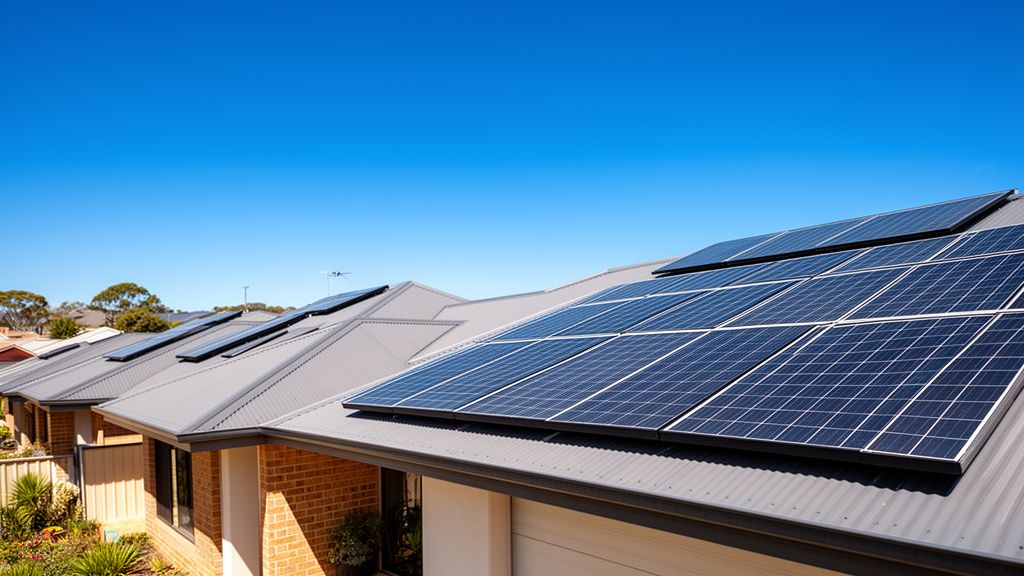
Australian households face some of the highest electricity prices globally, a major factor pushing people towards home battery storage. Retail electricity costs have consistently risen across the National Energy Market (NEM) states over the past few years. For example, average residential bills in New South Wales increased by around 20-25% from 2022 to 2024. These cost hikes mean a typical 6.6kW solar system, while great for daytime use, still leaves many households buying expensive grid power in the evenings. Batteries allow homeowners to store their surplus solar energy generated during the day and use it when the sun sets, significantly reducing or even eliminating their reliance on grid electricity at peak rates. This shift from buying power to using stored, self-generated power is a direct response to financial pressures.
How Fluctuating Wholesale Prices Impact Your Bill
Wholesale electricity prices, which retailers pass on to consumers, have been particularly volatile. Factors like coal power plant outages, gas supply constraints, and extreme weather events cause these prices to spike. Retailers then adjust their tariffs, often hitting consumers with higher charges, especially during peak demand times. With a battery, you insulate your household from these fluctuations. You shift your consumption away from expensive peak-time grid electricity, instead using your own stored solar power. This gives you more control over your energy budget and offers a buffer against an unpredictable energy market.
Are Battery Costs Finally Becoming Affordable for the Average Aussie?
Yes, the cost of home battery systems has steadily decreased, making them a much more viable investment for many Australian families. Five years ago, a quality 10kWh battery system might have cost upwards of $15,000 installed. Today, equivalent systems often sit in the $10,000 to $12,000 range before any rebates. This reduction in price directly improves the payback period for a battery, making the return on investment (ROI) more appealing. As manufacturing scales up and technology improves, we see better performance and longer warranties at more competitive prices.
What Does the Price Drop Mean for Your Return on Investment?
Lower purchase prices mean a faster return on your investment. When you combine the reduced upfront cost with the savings on your electricity bill, the financial equation for a battery becomes compelling. Instead of exporting excess solar power for a meagre feed-in tariff – often below 5-8 cents per kilowatt-hour – you can store it and use it when grid power costs 30-45 cents per kilowatt-hour. This arbitrage opportunity significantly boosts the financial benefit of having a battery, effectively turning your home into a mini power station that maximises your solar generation.
How Do Government Rebates Boost Battery Investment?
State government incentives play a big part in accelerating battery uptake by making them even more affordable. Victoria's Solar Homes Program, for example, offers rebates of up to $2,950 for eligible households installing a battery. New South Wales has the Empowering Homes Program, providing interest-free loans for solar battery systems, which lowers the financial barrier for many. These programs directly cut the initial outlay, making the decision to install a battery much easier for budget-conscious homeowners. Without these subsidies, many households would find the upfront cost prohibitive, despite the long-term savings.
The Appeal of Virtual Power Plants (VPPs)
Beyond direct rebates, state governments and energy retailers promote Virtual Power Plants (VPPs). A VPP links individual home batteries to create a network that can supply power back to the grid during peak demand. Participants often receive financial incentives or credits on their electricity bills for allowing their battery to be dispatched. For example, some VPP programs offer sign-up bonuses of a few hundred dollars and ongoing credits that can total hundreds more per year. This turns a home battery into a revenue-generating asset, further shortening its payback period and adding another financial driver for investment.

Is Energy Independence a Real Driver for Australian Homeowners?
Absolutely. Many Australian homeowners seek greater energy independence and resilience against power outages. The national grid, while robust, experiences disruptions, particularly during extreme weather events like bushfires or severe storms. A battery system, especially when paired with a solar inverter capable of operating in "island mode," can provide backup power to essential circuits during a blackout. This capability gives peace of mind, knowing that critical appliances will continue to run even when the neighbourhood grid goes down. People value this reliability, which adds to the appeal of home batteries beyond pure financial savings.
How Batteries Improve Grid Stability for Everyone
While individuals benefit from energy independence, a widespread adoption of home batteries also contributes to overall grid stability. By storing solar energy locally and allowing households to self-consume, batteries reduce the strain on the grid during peak demand. This helps prevent network overloads and blackouts. Furthermore, VPPs allow network operators to draw power from distributed batteries when needed, acting as a buffer. This decentralised approach to energy storage means less reliance on large, centralised power stations and a more resilient, modern energy system for the entire country.
Key Takeaways
- Electricity bill increases and volatile grid prices are major motivators for battery investment.
- Battery system costs continue to fall, improving the financial viability and payback period for homeowners.
- State government rebates significantly reduce the upfront cost of battery installation.
- Virtual Power Plants (VPPs) offer additional financial incentives by allowing homeowners to earn credits.
- Energy independence and blackout protection are important non-financial benefits driving battery uptake.
Read More
For a comprehensive overview, check out our master guide: Read the Full Guide Here.