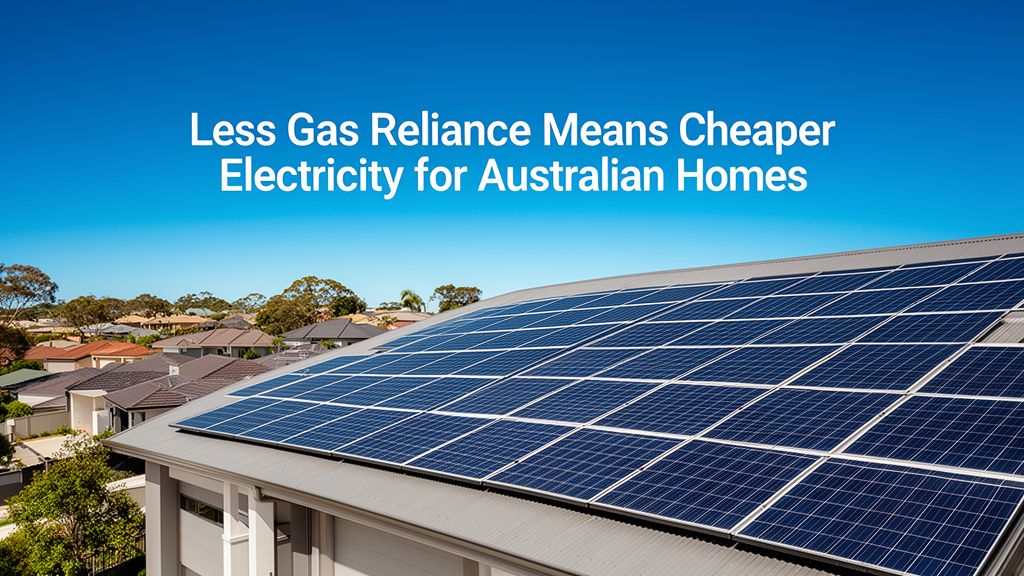
TL;DR: Australia's electricity grid traditionally relied heavily on gas-fired power, making energy prices vulnerable to gas market fluctuations. As solar and wind generation expand rapidly, they are displacing expensive gas, leading to lower wholesale electricity costs that are starting to reduce household power bills.
Why Does Gas Influence Our Electricity Prices So Much?
Gas-fired power stations often set the wholesale price of electricity in Australia due to their ability to ramp up quickly and meet demand peaks. The National Electricity Market (NEM) works on a supply-demand basis, where the most expensive generator needed to meet demand at any given time determines the price for all generators. Gas plants frequently fill this role. For example, when renewable generation dips, or demand suddenly spikes on a hot afternoon, gas peaker plants fire up. Their high operating costs, driven by the price of gas itself, then establish a higher wholesale price across the board for that trading interval. When international gas prices surged after 2021, wholesale electricity prices followed, directly impacting the rates households paid. This direct link means a drop in gas use directly translates to downward pressure on electricity costs.
How Are Renewables Pushing Gas Out of the Market?
Solar and wind power now generate electricity at a far lower cost than new gas or coal plants, fundamentally changing the energy mix. Over the past decade, the cost of installing large-scale solar farms and wind turbines has plummeted by over 80%. Once built, these renewable generators have zero fuel costs. They produce electricity whenever the sun shines or the wind blows, often at marginal costs close to zero. This means they can always bid into the market at a lower price than gas-fired generators, which constantly need to buy fuel. As more solar and wind projects connect to the grid, they increasingly meet demand at a lower price, pushing higher-cost gas plants to the back of the queue or out of the market entirely. This dynamic shift helps to stabilise and lower overall electricity prices.
The Economics of Renewables Versus Gas
Renewable energy projects, despite their upfront capital expenditure, boast minimal operating costs once commissioned. A large-scale solar farm or wind park, for instance, produces power without needing to purchase fuel, unlike gas power stations that depend on a volatile global commodity. This crucial difference means that every kilowatt-hour generated by solar or wind reduces the amount of expensive gas-fired electricity required. The Australian Energy Market Operator (AEMO) regularly forecasts that new utility-scale solar and wind projects are the cheapest forms of new generation, further solidifying their role in driving down wholesale prices by displacing costlier fossil fuels.
The Growth of Home Solar Power
The widespread adoption of rooftop solar systems across Australian homes further accelerates the displacement of gas. More than 3.6 million Australian homes now have solar panels, representing around a third of all houses. These systems generate electricity directly where it's consumed, often during daytime hours when demand might otherwise be met by grid power, some of which comes from gas. By reducing the overall demand for grid electricity during peak solar production periods, individual homeowners effectively decrease the need for expensive, quick-start gas generators. This collective action lessens strain on the grid and dampens wholesale price spikes that would otherwise occur.


What Does Less Gas Reliance Mean for Your Power Bill?
A reduced need for gas in our electricity system directly lowers the wholesale price of power, which then flows through to lower retail electricity bills for homes and businesses. As renewable energy becomes the dominant source, it drives down the average cost of electricity purchased by retailers. This cost saving is eventually passed on to consumers through more competitive electricity plans and lower overall tariffs. For example, recent analyses by AEMO show that during periods of high renewable output, wholesale prices can drop significantly, sometimes even becoming negative. These lower wholesale prices give energy retailers more room to offer better deals to customers, moving away from a pricing structure heavily influenced by gas price volatility. The shift provides more predictability and stability in household budgets.
Key Takeaways
- Australia's electricity prices historically linked tightly to gas prices due to gas plants setting wholesale costs.
- Rapid expansion of solar and wind generation provides cheaper electricity, undercutting gas-fired power.
- The zero-fuel cost of renewables means they can always bid lower than gas, pushing gas plants out of regular operation.
- Widespread rooftop solar reduces grid demand, further lessening the need for expensive gas generation.
- Lower wholesale electricity prices, driven by renewables, lead to cheaper retail electricity bills for households.
Read More
For a comprehensive overview, check out our master guide: Read the Full Guide Here.


