The Great Aussie Energy Debate: Should Taxpayers Subsidise Renewables?
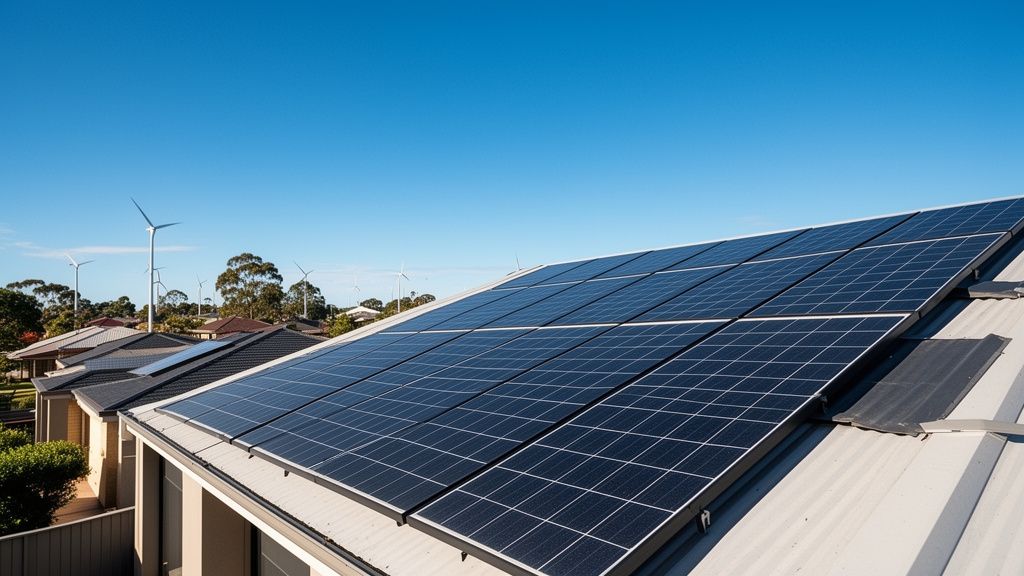
G’day, everyone. Australia is a sunburnt country, and increasingly, a wind-swept one too. Our vast open spaces and abundant natural resources make us a prime candidate for renewable energy generation. Solar panels now adorn millions of Aussie rooftops, and towering windfarms dot our regional landscapes. But beneath the shiny surface of our renewable revolution lies a persistent and often heated debate: should Australian taxpayers continue to subsidise these clean energy technologies, or should they stand on their own two feet?
Introduction
For decades, government support for various industries has been a fact of life in Australia, from agriculture to mining. As we transition towards a cleaner energy future, the question of financial assistance for wind and solar projects takes centre stage. On one side, proponents argue that subsidies are a necessary investment in our future, securing energy independence and combating climate change. On the other, critics contend that these supports are an unfair burden on taxpayers, distort market competition, and prop up industries that should now be self-sufficient. Let's dive into the core arguments of this vital conversation.
The Case for Taxpayer Support
Advocates for continued subsidies often point to several key benefits. Firstly, they argue that renewable energy technologies, while increasingly competitive, still benefit from initial boosts to overcome market entry barriers and achieve economies of scale. These "infant industry" arguments suggest that early support helps mature a technology until it can compete fairly. Think of it as giving a new business a leg-up to establish itself before pulling back the training wheels.
Secondly, there's the undeniable externality of climate change. Burning fossil fuels creates greenhouse gas emissions, imposing significant costs on society – from increased healthcare burdens due to air pollution to the economic impact of extreme weather events. Subsidies for renewables can be seen as a way to correct this market failure, internalising the environmental benefits and accelerating the shift away from polluting sources. It’s a collective investment in a healthier, more stable future for all Australians.
Furthermore, subsidies can foster job creation and stimulate regional economies. Developing and maintaining wind and solar farms, manufacturing components, and installing rooftop solar systems create thousands of jobs across the country. These aren't just metropolitan roles; many are in regional areas, providing much-needed economic diversification. Moreover, reliance on homegrown renewable energy enhances our energy security, reducing our vulnerability to volatile global fossil fuel markets and geopolitical instability. Past subsidies for fossil fuels, such as fuel tax credits and exploration incentives, highlight a historical precedent for government support in the energy sector, making current renewable subsidies seem less exceptional.
The Arguments Against Subsidies
Conversely, critics of renewable energy subsidies raise valid concerns about fairness, efficiency, and market distortion. The primary argument is often about the cost to the taxpayer. Schemes like the Renewable Energy Target (RET), through which Small-scale Technology Certificates (STCs) and Large-scale Generation Certificates (LGCs) provided financial incentives, ultimately added costs that were passed on to consumers via their electricity bills. While the RET has been met, the legacy of these costs and the question of future similar schemes remain. Many argue that Australians are already paying enough for their power, and further subsidies add an unnecessary burden, especially when the technologies are becoming increasingly cost-effective.
Another significant concern is market distortion. Subsidies can create an uneven playing field, potentially disadvantaging other energy sources or technologies that do not receive the same level of government backing. This can lead to inefficient allocation of resources, where projects are chosen not purely on their economic merit but on the availability of government grants or incentives. Critics suggest that if wind and solar are truly competitive, they should be able to stand on their own without artificial support, allowing market forces to determine the most efficient and reliable energy mix.


Finally, there’s the argument that many renewable technologies, particularly solar PV and onshore wind, have matured significantly. The cost of generating electricity from these sources has plummeted over the last decade, often making them the cheapest new-build generation option. At this point, some argue that continued direct subsidies are no longer necessary and could even foster dependency rather than true market competitiveness. Instead, focus should shift to grid modernisation, storage solutions, and transmission infrastructure – areas that genuinely require investment to integrate high levels of intermittent renewables.
The Australian Landscape: Our Approach So Far
Australia has a complex history with renewable energy policy. The Renewable Energy Target (RET) was a cornerstone, driving significant investment in both rooftop solar (via STCs) and large-scale wind and solar farms (via LGCs). This policy framework, while successful in accelerating renewable uptake, also sparked considerable political debate. State governments have also played a role, offering feed-in tariffs, rebates, and grants that further incentivised uptake. For example, some early feed-in tariffs paid upwards of 60 cents per kilowatt-hour, a significant boost to early adopters.
Entities like the Australian Renewable Energy Agency (ARENA) and the Clean Energy Finance Corporation (CEFC) continue to provide targeted funding for research, development, and commercialisation of emerging renewable technologies and storage solutions. Their focus is often on derisking innovative projects and filling financing gaps, rather than broad-brush subsidies for established technologies. This more targeted approach reflects a shift in policy thinking, moving away from universal subsidies towards strategic investments in future capabilities.
Finding the Balance: A Sustainable Future
The debate over subsidies isn't black and white. It’s about finding the right balance between market forces, environmental responsibility, and economic development. As wind and solar continue to mature and become the cheapest forms of new energy, the rationale for broad, direct subsidies diminishes. However, government support may still be crucial in specific areas.
This includes investment in grid infrastructure to handle the influx of distributed and variable renewable generation, supporting research and development into next-generation technologies like green hydrogen or advanced long-duration storage, and ensuring a just transition for communities currently reliant on fossil fuel industries. Rather than direct subsidies for generation, future support might look more like incentives for grid flexibility, firming capacity, or even carbon pricing mechanisms that level the playing field by putting a cost on emissions.
Conclusion
Ultimately, Australia needs an energy system that is reliable, affordable, and sustainable. The debate over taxpayer subsidies for windfarms and solar panels reflects the complexities of transitioning from one energy paradigm to another. While past subsidies played a vital role in kickstarting our renewable energy sector, the conversation is now evolving. As our sun and wind resources continue to power more homes and businesses, the challenge is to design policy mechanisms that foster innovation, ensure grid stability, and provide a fair go for all Australians, without imposing unnecessary burdens on the taxpayer. It’s a conversation we all need to keep having, to ensure our energy future is as bright as our sunny skies.
Read More
For a comprehensive overview, check out our master guide: Read the Full Guide Here.