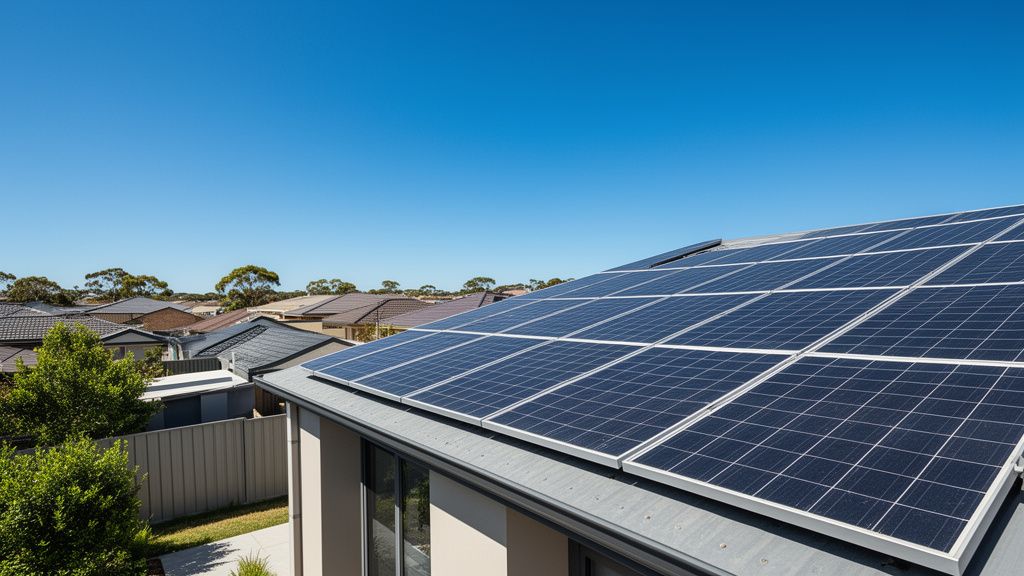
Navigating Solar Panel Waste: Recycling and Management in Australia
TL;DR: Australia faces a growing challenge with end-of-life solar panels, as millions of installations from the early 2010s approach retirement. While formal recycling infrastructure is still developing, several commercial initiatives and government programs are emerging to process panels and recover valuable materials like silicon, aluminium, and glass, albeit often with a collection fee for consumers.
Why is managing solar panel waste a growing concern in Australia? The management of solar panel waste is becoming a critical environmental and economic concern in Australia because the first wave of widespread solar installations from the early 2010s is now reaching its 20-30 year end-of-life, leading to a significant increase in panels requiring disposal. With over 3.7 million Australian homes now boasting rooftop solar, and the market still booming, the volume of decommissioned panels is set to skyrocket in the coming years. Panels contain valuable materials like silicon, aluminium, copper, and glass, but also trace amounts of heavy metals which, if not properly managed, can leach into landfills and harm the environment. Effective recycling not only prevents pollution but also allows for the recovery of these resources, fostering a more circular economy and reducing reliance on new raw materials. Without robust recycling solutions, Australia risks accumulating millions of tonnes of electronic waste.
The Looming Tsunami of End-of-Life Panels
Australia is projected to generate over 100,000 tonnes of solar panel waste annually by 2030, with estimates reaching 1.5 million tonnes by 2050. This surge is due to both panels naturally reaching their operational lifespan and premature replacements from system upgrades or damage. Managing this volume requires scalable, accessible, and cost-effective recycling pathways to avoid overwhelming landfills and to capture the embedded value in these materials, turning a potential waste problem into a resource opportunity for the nation.
What are the current solar panel recycling options available across Australia? Currently, solar panel recycling options in Australia are evolving, with several commercial enterprises and some government-backed initiatives providing avenues for responsible disposal, but accessibility and cost can vary significantly by state and region. Most processes involve disassembling panels to separate glass, aluminium frames, silicon cells, and wiring, allowing for the recovery and re-entry of these valuable components into manufacturing supply chains. Dedicated recyclers utilise specialised machinery to shred, heat, and chemically treat components to extract high-purity materials. While not as widespread as general household recycling, options are becoming more prevalent in major cities and industrial hubs, with mobile collection points and drop-off centres emerging to service the growing demand.
Commercial Recycling Facilities and Programs
Companies like Reclaim PV, PV Cycle (via an Australian partner), and some e-waste recyclers are at the forefront of processing solar panels in Australia. Reclaim PV, for instance, operates collection points and a processing facility, aiming to recover up to 95% of materials. They typically charge a per-panel fee, often around $10-$30 per panel, reflecting the specialised labour and equipment required. Some states, like Victoria, have run pilot programs or offer grants to support recycling infrastructure development, helping to establish collection networks and subsidise costs. These programs are crucial in building the necessary capacity to handle the anticipated volume of waste panels.


Is there a cost associated with responsibly recycling solar panels in Australia? Yes, there is typically a cost associated with responsibly recycling solar panels in Australia, as the specialised processes involved in separating and recovering materials are not yet fully offset by the value of the reclaimed resources, requiring a fee from the end-user or the installer. Unlike general e-waste like computers or phones, where the value of gold or rare earth elements can sometimes cover recycling costs, solar panels are primarily composed of glass, aluminium, and silicon, which have lower market values relative to the processing effort. These fees cover transportation, manual disassembly, mechanical shredding, and chemical processing. As infrastructure develops and economies of scale are achieved, these costs are expected to decrease, but for now, consumers should anticipate paying a modest fee for proper disposal.
Understanding Recycling Fees
Recycling fees for solar panels in Australia can range from approximately $5 to $30 per panel, depending on the recycler, the type of panel, the volume, and your proximity to a processing facility or collection point. For an average residential system with 20-25 panels, this could mean a total recycling cost of $100 to $750. Some solar installation companies might offer a take-back service as part of a new system upgrade, potentially bundling the recycling cost into the overall new installation price. It's important to factor this end-of-life cost into the total lifecycle cost of a solar system, just as you would any other appliance, to ensure truly responsible energy consumption.
How can Australian homeowners contribute to better solar panel waste management? Australian homeowners can significantly contribute to better solar panel waste management by planning for the end-of-life of their systems, choosing reputable installers who consider lifecycle impacts, and actively seeking out established recycling pathways when panels need replacement or removal. Before your panels reach their end-of-life, research local recycling options and factor potential disposal costs into your long-term financial planning for your solar system. Engaging with installers who partner with accredited recycling programs demonstrates demand for sustainable practices and encourages the industry to adopt more circular economy principles. Furthermore, advocating for stronger government policies on product stewardship for solar PV can help drive systemic change, ensuring that manufacturers and importers bear more responsibility for end-of-life management.
Proactive Choices for Sustainable Solar
When getting a new system, ask your installer about their approach to end-of-life panels and if they participate in any recycling schemes. Some forward-thinking installers offer take-back services for old panels when upgrading to a new system. If you're replacing an older system, don't just send panels to landfill – actively contact organisations like Reclaim PV or check your state government's environmental protection agency website for approved e-waste and solar panel recyclers. While the upfront cost of recycling might seem like an extra burden, it’s a crucial investment in protecting our unique Australian environment and ensuring a truly green future for renewable energy. Choosing panels with longer warranties and robust construction can also extend their lifespan, delaying the need for recycling.
Key Takeaways
- Australia's solar panel waste volume is projected to surge dramatically, necessitating robust recycling solutions.
- Commercial recyclers like Reclaim PV and certain e-waste facilities offer services, primarily for a fee (typically $5-$30 per panel).
- Recycling recovers valuable materials (glass, aluminium, silicon) and prevents heavy metals from entering landfills.
- Homeowners should budget for end-of-life recycling costs and choose installers who offer or facilitate responsible disposal.
- Advocacy for stronger government product stewardship policies can further improve national recycling infrastructure and accessibility.