TL;DR: Smart meters measure electricity use and export in real-time, enabling Time-of-Use (ToU) tariffs with different prices for peak, shoulder, and off-peak periods. For solar households, this means shifting appliance use or adding a battery can significantly reduce electricity bills by avoiding high peak rates and optimising solar exports.
What Are Smart Meters and How Do They Record Your Energy Flow?
Smart meters are digital electricity metres that precisely record your home's energy consumption and solar exports in short intervals, often every 30 minutes. Unlike older accumulation metres, which only show total energy used, smart metres provide detailed data. This two-way communication capability sends your electricity usage data directly to your retailer, eliminating the need for manual readings. They record exactly when you draw power from the grid and when your solar system sends excess power back. This detailed information is fundamental for retailers to offer flexible pricing structures like Time-of-Use tariffs. Without a smart metre, your retailer cannot accurately charge you different rates throughout the day, nor can they accurately measure your solar exports against your imports. The rollout of smart metres continues across Australia, with Victoria having completed its mandate years ago and other states seeing increasing uptake, often when an older metre fails or a solar system is installed.
Real-Time Data and Its Benefits for Solar Owners
The real-time data from a smart metre offers solar owners a clear picture of their energy behaviour. You can often access this data through an online portal or app provided by your electricity retailer. This transparency lets you see how much energy your solar system generates, how much you consume, and how much you export or import at any given time. This information helps identify periods of high grid import, allowing you to adjust habits or consider battery storage. For example, if your smart metre data shows significant imports between 4 PM and 7 PM, even with solar, you know this is a key period to target for shifting appliance use or discharging a battery. It also accurately records your feed-in credit for every kilowatt-hour (kWh) exported, ensuring precise billing.
How Smart Metres Enable Time-of-Use Tariffs
Smart metres are essential for Time-of-Use (ToU) tariffs because they accurately measure consumption during specific time blocks. Retailers set different prices for these blocks, typically peak, shoulder, and off-peak. Without a smart metre, there is no way to differentiate what time you used the power, so a flat rate applies. A smart metre captures this timing, allowing the retailer to charge you, for instance, 45 cents per kWh during peak demand hours, 25 cents per kWh during shoulder periods, and 15 cents per kWh overnight. This precise measurement directly links your consumption habits to your bill, rewarding households who manage to use less grid power during expensive peak times.
How Do Time-of-Use Tariffs Affect Your Electricity Costs?
Time-of-Use (ToU) tariffs directly impact your electricity costs by pricing energy differently based on demand throughout the day and night. During peak demand periods, usually late afternoon and early evening when most people return home, rates are highest. Shoulder periods, often mornings and later evenings, have moderate rates. Off-peak times, typically overnight and sometimes during the middle of the day, offer the lowest rates. For example, a common ToU tariff in New South Wales might charge 48c/kWh for peak (2 PM-8 PM), 26c/kWh for shoulder (7 AM-2 PM, 8 PM-10 PM), and 14c/kWh for off-peak (10 PM-7 AM). Your total bill becomes a direct function of when you use grid power, not just how much. This structure encourages consumers to shift high-energy tasks, like running a dishwasher or washing machine, to cheaper off-peak or shoulder periods.
Optimising Your Solar Usage with ToU Tariffs
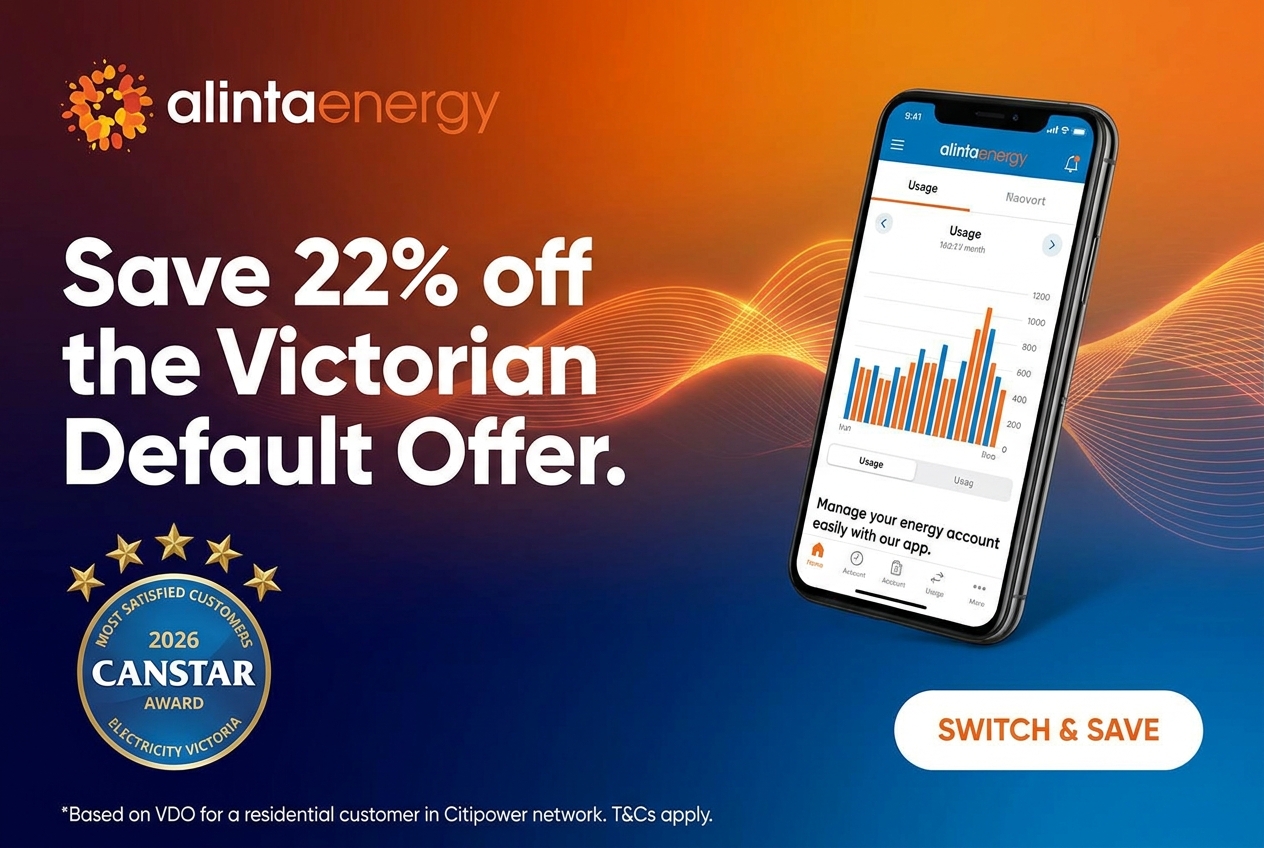
Solar households have a distinct advantage under ToU tariffs, especially if they can maximise self-consumption during peak and shoulder periods. Your solar system typically generates most power during the middle of the day, which often aligns with shoulder or even off-peak periods on some tariffs. By consuming your self-generated solar power during these times, you avoid importing grid electricity that would otherwise be charged at higher rates. For instance, if your solar system generates 5 kW during a shoulder period, using that power in your home saves you 26c/kWh compared to importing it. If your system is large enough to export during peak periods, the feed-in tariff may also be higher during those times, although most retailers keep feed-in rates low, often below 8c/kWh regardless of the time.
The Role of Battery Storage in ToU Environments
Battery storage significantly enhances a solar household's ability to manage ToU tariffs. With a battery, you can store excess solar energy generated during the day and use it during the evening peak period. This allows you to avoid importing expensive grid power when rates are highest. For example, your solar system generates surplus power at 11 AM when the shoulder rate is 26c/kWh and the feed-in tariff is 6c/kWh. Instead of exporting that power for a low credit, you can charge your battery. Later, from 5 PM to 8 PM, when the peak rate is 48c/kWh, your home draws power from the battery, saving you 48c/kWh for every unit consumed. Some advanced battery systems can even be programmed to discharge or charge based on price signals, further optimising savings.
Is a Smart Meter and ToU Tariff Right for Your Solar Home?
A smart metre and the associated Time-of-Use tariff structure generally benefit solar homeowners, but understanding your household's energy profile is key. If you have a solar system and a smart metre, you are likely already on a ToU plan or could opt into one. The critical question is whether your lifestyle and energy habits align with shifting electricity consumption away from peak periods. For households with high daytime usage that aligns with solar generation, or those willing to change appliance use times, ToU tariffs offer clear opportunities for savings. However, if your family consistently uses significant grid power during peak times and cannot adapt, a ToU tariff might increase your bill compared to a flat-rate plan.
Reviewing Your Household Consumption Habits
Before committing to a ToU tariff, assess your family's daily energy consumption patterns. Do you run the dishwasher, washing machine, or dryer immediately after dinner? Are air conditioners heavily used from 4 PM to 8 PM? These actions typically incur the highest charges under a ToU plan. A smart metre provides the data to pinpoint these high-cost periods. If you can shift these activities to shoulder periods (e.g., mornings, later evenings) or off-peak times (overnight), you will see considerable savings. Even simple changes, like pre-cooling your home before the peak window or using timers on appliances, make a difference. Without a willingness to adapt, the benefits of ToU are limited.
Comparing Retailer Offers and Plan Structures
Not all ToU plans are equal, and comparing offers from different electricity retailers is crucial. Some retailers offer more attractive off-peak rates, while others might have shorter peak windows. Look at the specific times for peak, shoulder, and off-peak periods, as these vary. Also, consider the feed-in tariff offered for your solar exports; some retailers might provide slightly better feed-in rates during shoulder or peak times if you export, though this is becoming less common. Use your smart metre data to project how different ToU structures would affect your bill. Many retailers offer online tools or can provide a personalised bill comparison based on your actual consumption history, helping you make an informed decision for your solar-powered home.
Key Takeaways
- Smart meters provide detailed, real-time electricity usage data, which enables Time-of-Use (ToU) tariffs.
- ToU tariffs charge different rates for peak, shoulder, and off-peak periods, making when you use grid electricity as important as how much.
- Solar homeowners can save money by consuming their self-generated power during peak and shoulder times to avoid high import charges.
- Battery storage allows solar households to store cheap daytime energy for use during expensive evening peak periods, maximising ToU savings.
- Review your household's energy habits and compare retailer ToU plans to ensure the tariff structure suits your lifestyle and solar generation.
Read More
For a comprehensive overview, check out our master guide: Read the Full Guide Here.