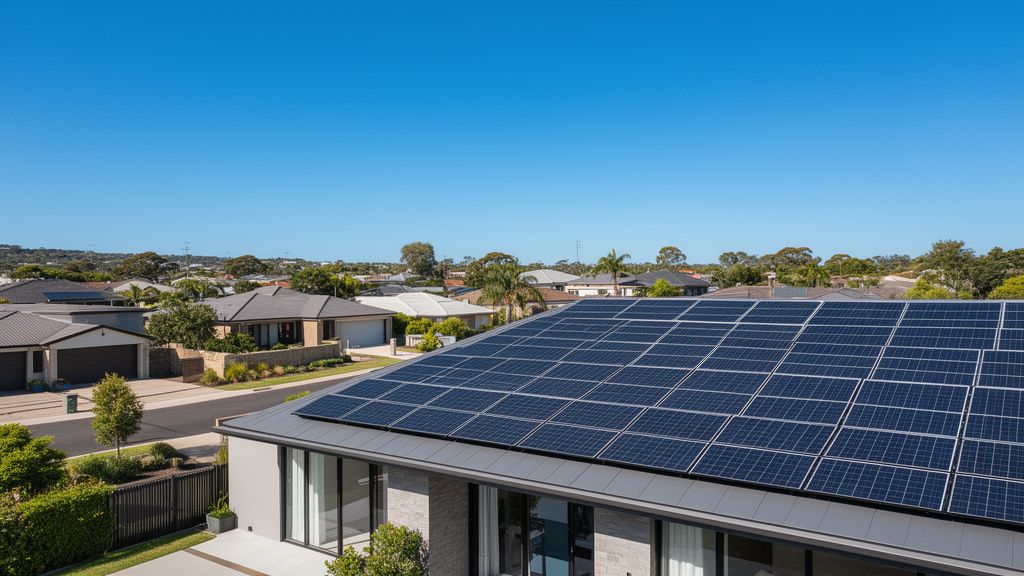
TL;DR: Adding a solar battery system to your home significantly boosts self-sufficiency by storing excess solar energy generated during the day for use at night or during grid outages. This means you rely less on the grid, reduce your electricity bills by using more of your own power, and gain energy security.
Why Are Solar Batteries Essential for True Self-Sufficiency?
Solar batteries are essential for true self-sufficiency because they bridge the gap between when your solar panels generate power and when your household actually uses it. Without a battery, any excess electricity your panels produce immediately goes back into the grid, earning you a small feed-in tariff. This means you still pull power from the grid during the evenings or on cloudy days, paying standard retail rates, which are significantly higher than what you get for exporting. A battery lets you keep that excess energy for yourself, dramatically increasing the percentage of your own solar power you consume directly. It transforms your solar setup from a grid-tied helper into a genuine independent power source for much of your daily needs.
The Limitations of Relying Solely on Feed-in Tariffs
Relying only on feed-in tariffs (FiTs) means you essentially sell your excess solar power cheap and buy grid power back expensive. Most Australian retailers cut feed-in tariffs below 5c/kWh in 2024. Meanwhile, you might pay 30-40c/kWh or more for electricity from the grid in the evenings. This significant price difference makes exporting power an inefficient way to reduce your overall bill. While FiTs provided a good incentive years ago, current rates mean that self-consumption, using your own solar energy directly, offers a much better financial return. A battery ensures you use your free solar power when you need it most, rather than letting it be absorbed by the grid for a minimal credit.
Extending Your Solar Power Beyond Daylight Hours
Solar panels only generate electricity when the sun shines directly on them, typically from around 7 am to 5 pm. However, many households have their highest electricity consumption in the late afternoon and evening, when people arrive home, cook dinner, and use heating or cooling. A solar battery stores the surplus energy produced during peak sunlight hours. This stored power then becomes available for use after sunset or on overcast days, extending your household's access to clean, free solar electricity around the clock. This capability is fundamental to achieving significant energy independence and reducing reliance on the grid during costly peak demand periods.
How Do Solar Batteries Increase Your Household Power Coverage?
Solar batteries increase your household power coverage by shifting your energy usage patterns to align with your solar generation and providing a safety net against grid failures. They enable you to use your own generated electricity for a far greater proportion of your total daily consumption, rather than just during the specific hours the sun is out. This system offers a continuous supply of self-generated power, which extends beyond what traditional grid-connected solar can offer. Instead of being limited by the sun's immediate presence, you gain control over your energy supply, using it on your terms. This leads to a substantial increase in your energy autonomy and resilience.
Storing Excess Solar Generation for Later Use
When your solar panels generate more electricity than your home consumes, a solar battery automatically stores this excess power. For example, on a sunny Saturday afternoon, while you're out, your 6.6kW system might produce 5kWh that your home doesn't use. Instead of exporting this for 5 cents, a 10kWh battery can store it. Later that evening, when your family is home and the panels are no longer producing, the battery discharges to power lights, appliances, and air conditioning. This process maximises your self-consumption, meaning you buy less power from the grid and keep more money in your pocket, making the most of your initial solar investment.
Providing Backup Power During Grid Outages
Many solar batteries come with an integrated inverter that offers a backup power feature, known as an uninterruptible power supply (UPS). In the event of a blackout, a typical grid-tied solar system shuts down for safety reasons, even if the sun is shining. A battery system, however, can automatically disconnect from the grid and switch to 'island mode', powering designated critical circuits in your home. This means essential appliances like your fridge, lights, and Wi-Fi can continue operating. For instance, a 10kWh battery might power a critical load circuit for several hours, providing comfort and security during unexpected power disruptions. This adds a crucial layer of resilience to your household's power supply.

What Financial and Environmental Benefits Do Solar Batteries Offer?
Solar batteries offer significant financial and environmental benefits by allowing you to take greater control of your energy usage and reduce your carbon footprint. Financially, they help you avoid high peak electricity prices and maximise the value of your solar investment. Environmentally, they increase your reliance on clean, renewable energy, further reducing greenhouse gas emissions associated with fossil fuel-generated electricity. The upfront cost of a battery, typically ranging from $8,000 to $15,000 for a 10kWh system installed, is increasingly justified by these long-term savings and contributions to a greener future. These benefits combine to make batteries an increasingly attractive addition to Australian solar setups.
Reducing Reliance on Peak Grid Electricity Prices
Australians face some of the highest electricity prices globally, especially during peak demand periods in the late afternoon and evening. These peak rates can be double or triple the off-peak rates. By storing your daytime solar generation, a battery enables you to power your home during these expensive peak hours using your own free electricity. Instead of importing power from the grid when prices are highest, you're drawing from your stored energy. This strategy directly reduces your peak period electricity costs, shifting your consumption patterns away from the most expensive times and making your energy bills more predictable and lower.
Maximising Your Return on Investment and Carbon Footprint Reduction
Adding a battery substantially increases your return on investment for your solar system by boosting your self-consumption rate from around 30-40% to 70-90% or even higher. This means you avoid purchasing a larger volume of expensive grid electricity. While the upfront cost of a battery affects the initial payback period, the long-term savings often outweigh it, particularly with rising electricity prices. Environmentally, using more of your own solar power and less grid electricity directly reduces your household's carbon footprint. Every kilowatt-hour you take from your battery instead of the grid means less demand for fossil fuels, contributing to a cleaner energy future for Australia.
Key Takeaways
- Solar batteries drastically increase your energy self-sufficiency by storing excess daytime solar power for evening use.
- They help you avoid low feed-in tariffs and high peak grid electricity prices, improving the financial return on your solar investment.
- Batteries provide essential backup power during blackouts, keeping critical household appliances running.
- Installing a battery can boost your solar self-consumption from 30-40% to 70-90% or more.
- This technology contributes significantly to reducing your carbon footprint and reliance on fossil fuels.
Read More
For a comprehensive overview, check out our master guide: Read the Full Guide Here.