The Sun Shines on Hypocrisy: Conservative MPs and Green Energy
Australia, a continent bathed in some of the world's most intense sunshine, stands at a critical juncture in its energy transition. With abundant renewable resources and a growing imperative to decarbonise, the path forward seems clear. Yet, this path is often muddied by political rhetoric, particularly from conservative MPs who are increasingly being accused of "breathtaking hypocrisy" when it comes to green energy. These accusations stem from a perceived double standard: publicly opposing large-scale renewable projects while often benefiting from, or at least tolerating, smaller-scale green initiatives, or even having such projects proceed within their broader electorates.
Accusations of Double Standards
The heart of the controversy lies in the vocal opposition many conservative politicians mount against major renewable energy developments – particularly solar and wind farms, and the transmission lines needed to connect them. Often, their arguments focus on concerns about visual amenity, the loss of agricultural land, or perceived impacts on local ecosystems. We hear terms like "industrialisation of the landscape" or worries about "ugly" infrastructure despoiling pristine areas. These criticisms often gain traction in regional communities, creating a formidable barrier to project approval and development. However, critics point out a significant disconnect: many of these same politicians champion rooftop solar for homes and businesses, or their electorates are home to significant existing or planned renewable projects that bring jobs and investment. The hypocrisy is laid bare when MPs decry large-scale projects as environmental vandals or economic follies, yet fail to acknowledge the necessity of such projects for the broader grid and for Australia's energy security, let alone the fact that some of these "offending" projects might be within their own federal divisions.
The Reality of Renewable Energy in Australia
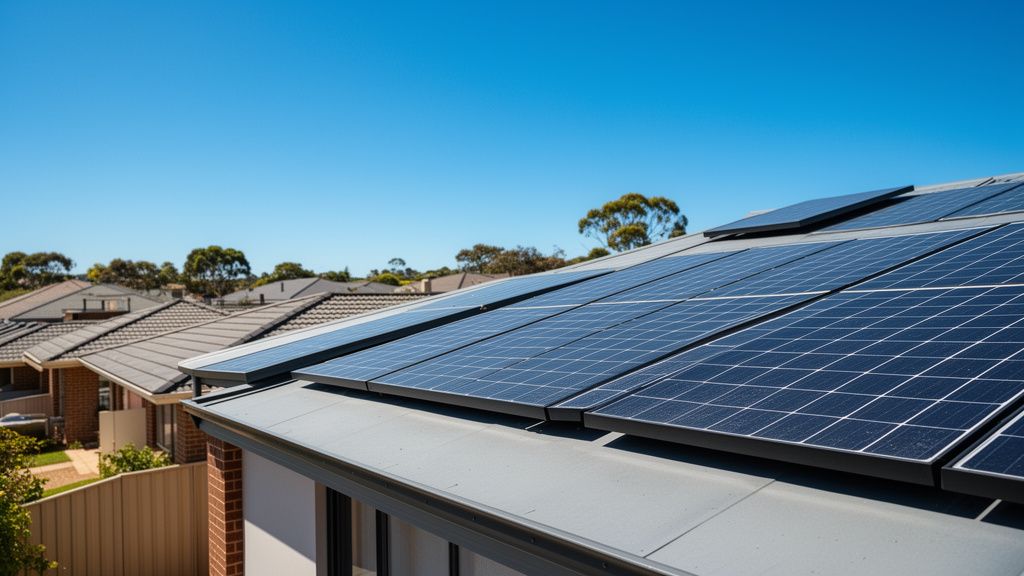
Australia is uniquely positioned to be a global renewable energy superpower. Our vast, sparsely populated landmass receives an extraordinary amount of solar radiation, and many regions benefit from consistent, strong wind resources. Solar power, in particular, has seen a phenomenal uptake at the residential level, with over three million Australian homes now boasting rooftop solar panels. This isn't just about environmental consciousness; it's about hip-pocket savings. Families can drastically cut their electricity bills, sometimes saving hundreds of dollars per quarter, especially with rising grid costs. Large-scale solar farms play a complementary role, providing the significant generation capacity needed to power cities and industries. Globally, solar is now the cheapest form of new electricity generation, outcompeting coal and gas on cost alone. This economic reality is reshaping energy markets worldwide, and Australia, despite its fossil fuel heritage, is no exception. Ignoring this reality, or actively campaigning against its manifestation in utility-scale projects, is not just short-sighted; it's a direct disservice to the nation's economic and environmental future.
Community Concerns Versus Political Obstruction


It's crucial to acknowledge that genuine community concerns surrounding large infrastructure projects, including renewables, do exist. Farmers worry about land use, local residents about visual impacts, and all communities about ensuring fair compensation and lasting benefits. These are legitimate issues that demand careful planning, transparent communication, and effective community engagement processes. However, what critics observe is that these valid concerns are often amplified, distorted, or even manufactured by politicians seeking to score political points or appease vocal minority groups. Instead of working to bridge divides and facilitate solutions, some MPs appear to weaponise these concerns, turning local anxieties into national roadblocks. This creates a false dichotomy, implying that economic growth and environmental protection are mutually exclusive, or that Australia can somehow transition to a clean energy future without building the necessary large-scale infrastructure.
The Economic Impact of Inconsistency
This political inconsistency has tangible economic consequences. Investment in Australia's renewable energy sector, while robust in some areas, faces significant headwinds due to policy uncertainty and protracted approval processes. Investors need stability and a clear regulatory framework to commit billions of Australian dollars to new projects. When politicians publicly rail against green energy, it sends a chilling message to potential investors, leading to delays, increased costs, or even the cancellation of projects that would otherwise deliver jobs, economic activity, and cheaper power. Furthermore, by slowing down the energy transition, Australia remains overly reliant on volatile international fossil fuel markets, leaving consumers and industries vulnerable to price shocks. This not only hinders our ability to meet emissions targets but also jeopardises our potential to become a leading exporter of green energy and green commodities, a massive economic opportunity that awaits a more coherent national approach.
Beyond the Rhetoric: A Path Forward
Moving past the current accusations of hypocrisy requires a fundamental shift in political leadership. Australia needs a bipartisan, consistent energy policy that acknowledges the undeniable economic and environmental benefits of renewables. This means politicians must engage constructively with communities, address legitimate concerns through robust planning and benefit-sharing schemes, and champion the national interest rather than pandering to local opposition for short-term political gain. It's about demonstrating leadership that educates and informs, rather than divides and obstructs. The energy transition is not just about building solar farms; it's about building consensus, trust, and a shared vision for a prosperous, sustainable Australia. Rooftop solar has proven its worth; now it's time for our political leaders to wholeheartedly embrace the utility-scale projects that will power our nation into the future.
Conclusion: Australia's Solar Future Depends on Consistency
The accusations of "breathtaking hypocrisy" levelled against conservative MPs on green energy highlight a deep-seated challenge in Australia's energy debate. While genuine concerns need to be addressed, the time for political opportunism and selective advocacy is over. Australia's solar future, its economic prosperity, and its environmental responsibility demand consistent, forward-thinking leadership. It's time for all politicians to truly embrace the sunburnt country's greatest asset and work collaboratively to build the clean energy infrastructure that will benefit all Australians, ensuring our nation shines brightly on the global stage.
Read More
For a comprehensive overview, check out our master guide: Read the Full Guide Here.


