TL;DR: Queensland, New South Wales, and South Australia are leading the charge in solar PV adoption, driven by abundant sunshine and progressive policies. Battery storage is surging in NSW and Victoria, primarily thanks to generous state government rebates and a growing desire for energy independence, making these states key players in Australia's renewable energy transition.
Which Australian States Are Dominating Solar PV Installation?
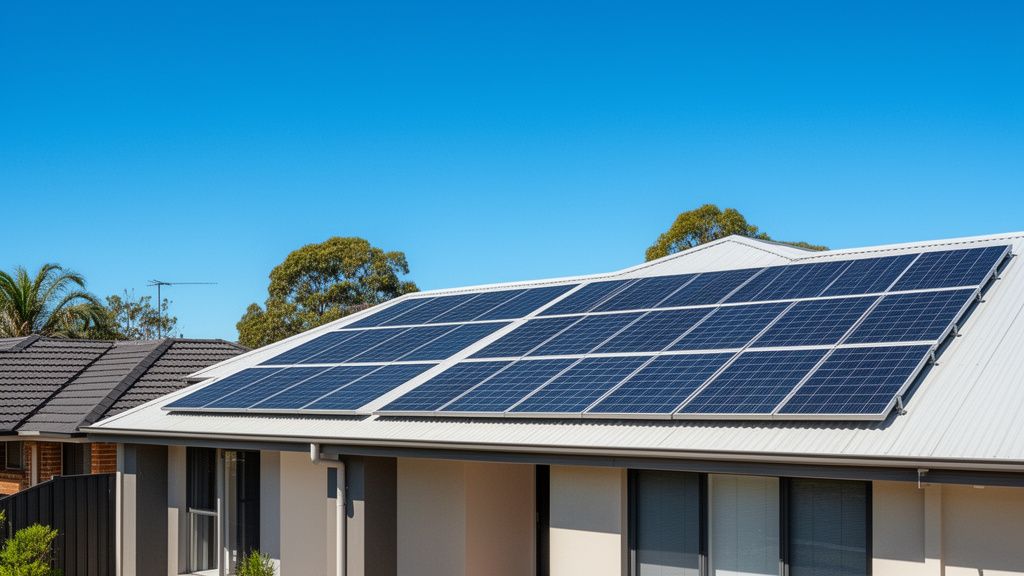
Queensland and New South Wales are consistently leading the nation in the sheer volume of new solar PV installations, while South Australia boasts the highest penetration of rooftop solar per capita. Queensland, with its abundant sunshine and substantial regional population, has long been a powerhouse for solar, seeing thousands of new systems connected monthly. Similarly, New South Wales, driven by its large population centres and increasing energy costs, consistently ranks high in new installations. South Australia, however, stands out for its remarkable achievement in integrating rooftop solar into its grid, with over 40% of homes now sporting PV panels, making it a global leader in solar penetration. This widespread adoption is largely thanks to a combination of falling solar costs, a strong environmental ethos, and historically high electricity prices encouraging self-sufficiency.
Queensland's Sunshine Powerhouse
Queensland's extensive coastline and sunny climate make it a natural fit for solar energy, underpinning its position as a national leader in cumulative solar installations. The state has an impressive capacity, with over 3,900 MW of rooftop solar installed across more than 980,000 systems as of early 2024. This widespread adoption is fueled by competitive installer markets, reasonable feed-in tariffs, and a cultural embrace of renewable technology. Homeowners are increasingly turning to solar to combat rising energy bills, with a typical 6.6kW system costing between $5,000 and $8,000 after the federal STC rebate, providing significant long-term savings.
South Australia's Grid Transformation
South Australia has truly transformed its energy landscape, demonstrating the highest proportion of households with rooftop solar in the country. With over 390,000 systems totalling more than 1,700 MW, solar now routinely meets the majority of the state's electricity demand during sunny periods. This high penetration has necessitated significant investment in grid management and battery storage solutions to maintain stability. The state has been a pioneer in virtual power plant (VPP) initiatives and battery subsidies, showing a clear pathway for other jurisdictions to follow as they integrate higher levels of distributed renewable energy.
Where Is Battery Storage Adoption Surging Across Australia?
Battery storage adoption is experiencing a significant surge in New South Wales and Victoria, predominantly driven by proactive state government rebates and a growing desire for energy independence. These states recognise the crucial role batteries play in firming up renewable energy supply and reducing reliance on the grid, especially during peak demand. While South Australia has a high baseline of solar, NSW and VIC are actively accelerating battery uptake through targeted financial incentives, making the often-steep upfront cost of batteries more accessible for the average Aussie homeowner. The aim is not only to boost self-consumption of solar power but also to stabilise the grid and foster a more resilient energy future.
New South Wales Leading the Charge
New South Wales is rapidly emerging as a frontrunner in home battery installations, largely thanks to programs like the Empowering Homes Program. This initiative offers interest-free loans for solar battery systems, making a significant dent in the upfront cost which can range from $8,000 to $15,000 for a typical 10-13kWh battery. This financial support, coupled with a dense population and a strong market for solar, has seen a substantial increase in homeowners opting to pair batteries with their solar PV systems. The state's focus on urban and regional areas ensures broader access to these critical storage solutions, enhancing energy security across the board.
Victoria's Home Battery Scheme Impact
Victoria's Home Battery Scheme has been instrumental in boosting battery adoption within the state, providing direct rebates of up to $2,900 for eligible households installing a solar battery. This generous incentive, combined with the state's high electricity prices and ambitious renewable energy targets, has made battery storage a much more attractive proposition. Thousands of Victorian homes have now installed batteries, improving their energy self-sufficiency and reducing their reliance on grid electricity. The scheme is designed to help Victoria achieve its goal of 50% renewable energy by 2030, with home batteries playing a vital role in balancing supply and demand.
How Do State Policies Drive Solar and Battery Uptake?
State policies are undeniably the primary catalyst for accelerating both solar and battery uptake across Australia, providing the financial incentives and regulatory frameworks needed to encourage investment. Without government support, the higher upfront costs of these technologies would make them inaccessible for many households. These policies range from direct rebates for battery purchases to lucrative feed-in tariffs for exported solar energy and low-interest loan schemes. Each state tailors its approach based on local energy needs, existing grid infrastructure, and broader renewable energy targets, creating diverse landscapes of adoption across the country. This targeted support mitigates financial barriers and empowers homeowners to invest in sustainable energy solutions.
The Role of Government Rebates and Grants
Government rebates and grants are critical in reducing the initial investment barrier for solar and battery systems, making them financially viable for a broader segment of the population. For instance, the federal Small-scale Renewable Energy Scheme (SRES) provides an upfront rebate through Small-scale Technology Certificates (STCs) for solar installations, typically reducing the cost of a 6.6kW system by $2,000-$3,000. On top of this, state-specific battery rebates, like those offered in Victoria and South Australia, can slice several thousand dollars off the price of a home battery. These financial boosts directly translate into shorter payback periods and greater accessibility, sparking significant interest among homeowners keen to reduce their power bills and carbon footprint.
Impact of Feed-in Tariffs and Virtual Power Plants
Feed-in tariffs (FiTs) provide a financial incentive for solar owners to export surplus electricity back to the grid, contributing to the payback period of their solar system. While FiTs vary significantly between states and retailers, typically ranging from 5c to 12c per kWh, they offer a continuous return on investment. Furthermore, the emergence of Virtual Power Plants (VPPs) is revolutionising how batteries contribute to the grid. VPPs allow networked home batteries to act as a collective energy resource, stabilising the grid and offering participating households financial incentives for sharing their stored energy during peak times. This innovative approach, particularly prevalent in South Australia, maximises the value of home batteries beyond individual self-consumption, creating a more dynamic and resilient energy system.
Key Takeaways
- Queensland and New South Wales lead in total solar installations, while South Australia has the highest per capita solar penetration.
- Battery storage adoption is surging in NSW and Victoria, primarily due to state government rebate schemes making systems more affordable.
- State-specific policies, including direct rebates, interest-free loans, and attractive feed-in tariffs, are crucial drivers for solar and battery uptake.
- Virtual Power Plants (VPPs) are emerging as a key mechanism, especially in South Australia, to maximise the value of home batteries and support grid stability.
- Homeowners in these leading states are increasingly embracing solar and battery systems to combat rising electricity costs and enhance energy independence.
Read More
For a comprehensive overview, check out our master guide: Read the Full Guide Here.