TL;DR: Transitioning to residential solar requires evaluating upfront costs, roof configurations, regional factors, and local incentives. While rooftop solar has grown to cover one in three Australian homes, buyers must plan carefully, use comparison tools, and remain aware of the environmental realities of upgrading systems early.
Key Factors to Consider When Buying Solar
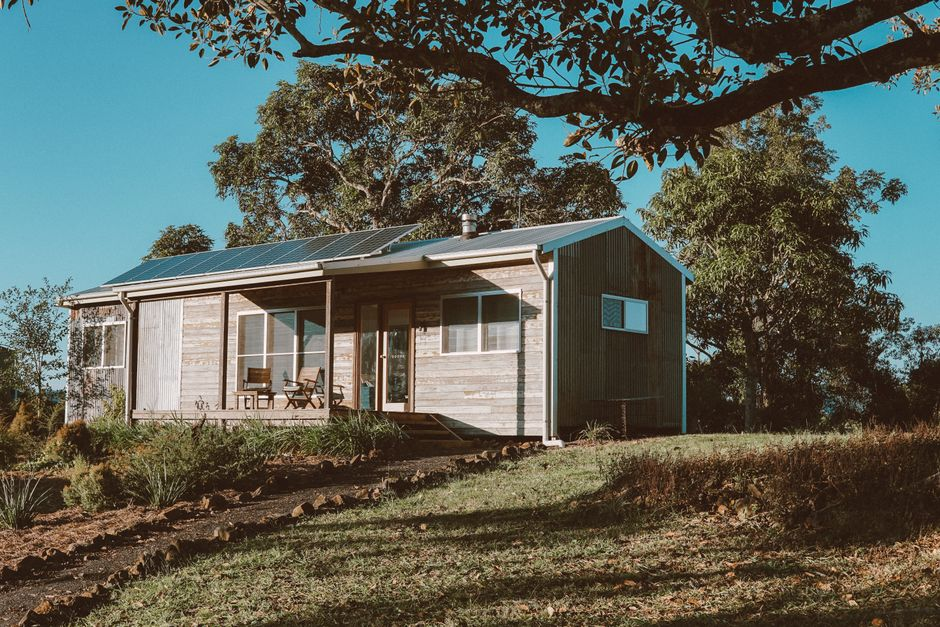
With more than 4 million homes—or one in three households—fitted with rooftop solar panels, Australia leads the world in per-person solar adoption. According to Darryn Van Hout, founder of the Brisbane-based resource Australian Solar Quotes, deciding to invest in a solar system requires looking beyond simple panel prices. Homeowners must thoroughly evaluate five primary variables:
1. Pricing and Financing Options
Homeowners must determine their total budget and choose between paying for the system entirely upfront or financing the purchase through structured solar payment plans. Working out the exact return on investment requires analyzing monthly electricity consumption against the system's projected generation.
2. Available Roof Space and Size
The physical dimensions and layout of a home's roof dictate the maximum size of the solar array. System sizing should be matched to the household's average daily electricity consumption while leaving room for potential future battery additions.
3. Switchboard and Roof Condition
Installers must assess the home's roof material and structural integrity. Crucially, the home's electrical switchboard must be inspected to ensure it is in a safe condition and capable of handling the bi-directional energy flows associated with solar generation.
4. Regional Location
Solar performance and installation costs vary significantly between metropolitan areas and regional parts of Australia. Regional installations may face higher transport and labor costs, while local climate patterns affect seasonal solar yields.

5. Rebates and Feed-in Tariffs
Federal and state solar rebates help lower the upfront cost of purchasing solar systems. Additionally, homeowners must research local solar feed-in tariffs—the rate paid by energy retailers for excess electricity exported back to the grid. Consumers can use comparison tools like iSelect to evaluate retail gas and electricity tariffs to maximize their overall monthly savings.
Maximizing the Solar Lifecycle
When buying a solar system, consumers should also plan for its long-term lifecycle. High-quality silicon-cell solar panels are highly durable and capable of generating clean energy for more than 25 years. Despite this long potential lifespan, the average age of rooftop panels currently decommissioned and discarded in Australia is only eight years.
This early replacement occurs because homeowners frequently choose to upgrade their older, lower-capacity systems to take advantage of newer, more efficient, and cheaper technology. When planning an upgrade, consumers should investigate local recycling options. While a federal $25 million pilot recycling program is currently delayed due to a administrative tender dispute, recovering valuable materials like copper, silver, and aluminium remains critical to keeping toxic heavy metals like lead and cadmium out of local landfills and water tables.
Key Takeaways
- High Adoption Rates: Over 4 million Australian homes (one in three) now have rooftop solar, producing 28 GW of capacity—more than the nation's remaining coal plants.
- Five Buying Rules: Consumers must evaluate price/financing, system size, roof/switchboard conditions, geographical location, and available rebates.
- Integration Planning: Utilizing comparison services like iSelect helps integrate new solar generation with optimal retail electricity plans.
- Sustainability Aware: Panels can last over 25 years, but the average replacement age is just eight years due to early upgrades, highlighting the need for future recycling awareness.