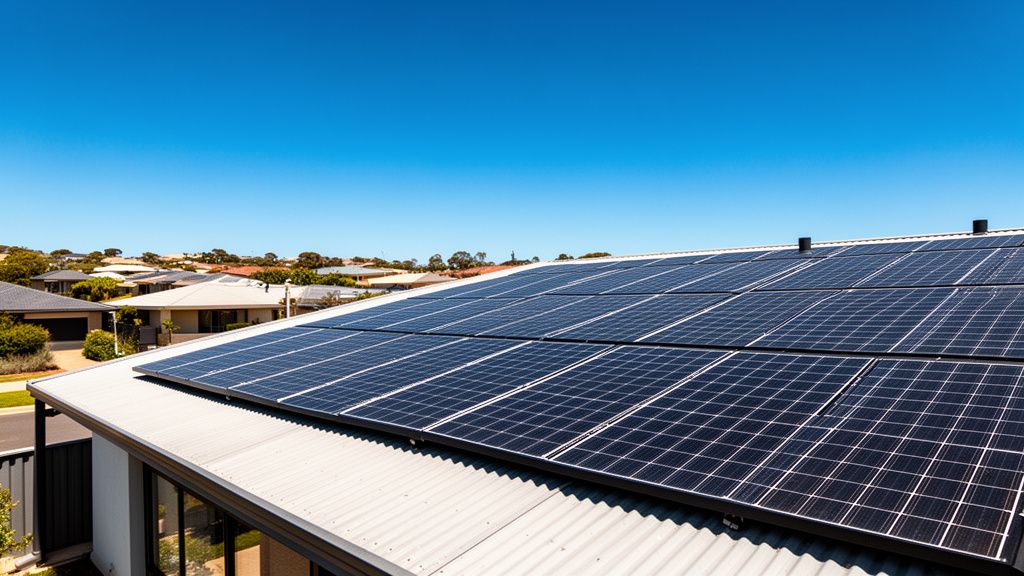
TL;DR: Australian polysilicon can command premium prices due to its exceptionally high purity, which enhances solar cell efficiency and lifespan. Its ethical and transparent sourcing avoids global supply chain controversies, meeting increasing consumer and corporate demand for responsible products. Stable, reliable production also offers a secure alternative to volatile markets, particularly for advanced solar and semiconductor applications.
What makes high-purity polysilicon crucial for solar panels?
High-purity polysilicon directly boosts the performance and longevity of solar panels. When silicon contains fewer impurities, it allows electrons to flow more freely, converting sunlight into electricity with greater efficiency. This difference is not just theoretical; it translates into more kilowatt-hours generated over a panel's 25-year lifetime. Manufacturers building the most advanced photovoltaic (PV) cells, like N-type TOPCon or heterojunction (HJT) cells, require ultra-pure material to achieve their advertised efficiency gains, often reaching above 23-24% in commercial modules. Standard, lower-grade polysilicon cannot meet these stringent material specifications without compromising cell quality and performance.
Efficiency Gains from Purer Material
Purer polysilicon allows solar cells to capture a broader spectrum of light and minimise energy losses within the material itself. For example, a minor increase in impurities like boron or phosphorus can create defects that trap electrons, reducing the cell's voltage and current output. Australian-produced polysilicon, aiming for 99.9999% purity (6N) or higher, significantly reduces these defects. This ultra-high purity supports the creation of cells that are not only more efficient when new but also degrade more slowly over time. This means a solar system built with premium polysilicon delivers more power for longer, offering a better return on investment for homeowners and commercial operations.
Longer Lifespan, Better Performance
The long-term degradation rates of solar panels are a key factor in their economic viability. Panels typically degrade by about 0.5% per year, meaning they produce slightly less energy each year. High-purity polysilicon helps slow this degradation. Fewer impurities reduce the potential for light-induced degradation (LID) and potential-induced degradation (PID), two common causes of early performance loss in solar modules. For a 6.6kW system, maintaining an extra 0.1% efficiency for 20 years translates to hundreds of dollars in additional electricity generation. This makes polysilicon from ethical and high-purity sources highly attractive to panel manufacturers focused on premium, long-warranty products.
How does ethical sourcing add value to Australian polysilicon?
Ethical sourcing practices add significant value to Australian polysilicon by addressing growing concerns about human rights and environmental impacts in global supply chains. Consumers, businesses, and governments increasingly demand transparency and assurance that products are free from forced labour or environmentally destructive practices. Australian production benefits from stringent labour laws, environmental regulations, and a transparent governance framework. This contrasts sharply with regions where allegations of forced labour in polysilicon production have led to import bans and reputational damage for solar companies. Choosing Australian polysilicon allows manufacturers to confidently market their panels as ethically produced, appealing to a segment willing to pay more for verified responsible sourcing.
Avoiding Supply Chain Risks
Global solar manufacturers face considerable pressure to demonstrate ethical supply chains, particularly regarding polysilicon. The US government, for instance, has implemented the Uyghur Forced Labor Prevention Act (UFLPA), which presumes goods from China's Xinjiang region are made with forced labour unless proven otherwise. This creates a substantial risk for manufacturers sourcing polysilicon from that area, potentially leading to seized shipments and delays. Australian polysilicon offers a clear alternative, providing a verified, compliant source that helps manufacturers avoid these geopolitical and ethical supply chain risks. This reliability in supply is a tangible asset, streamlining logistics and ensuring market access.
Meeting Global ESG Demands
Environmental, Social, and Governance (ESG) criteria are becoming critical investment and purchasing factors globally. Companies with strong ESG performance often attract more capital and enjoy better market perception. Producing polysilicon in Australia, under strict environmental and labour standards, naturally aligns with these ESG requirements. A clean, transparent manufacturing process allows Australian polysilicon to be certified and marketed as an ESG-friendly material. This appeals not only to end-consumers but also to large-scale commercial and utility solar projects, where investors and procurement teams often prioritise ESG compliance. The ability to guarantee a product's ethical footprint commands a premium in a market increasingly focused on sustainable practices.
Why is supply chain reliability a premium factor for Australian polysilicon?
Supply chain reliability becomes a premium factor for Australian polysilicon due to the increasing volatility and concentration risks in the global solar manufacturing industry. Over 80% of the world's polysilicon production currently resides in a few specific regions, creating a single point of failure for the entire solar sector. Geopolitical tensions, trade disputes, and even natural disasters in these concentrated areas can disrupt the supply of critical materials, leading to price spikes and project delays. An Australian source offers geographical diversification and stability, mitigating these risks for international buyers seeking a predictable, secure supply of high-grade polysilicon.
Geopolitical Stability and Local Control
Australia provides a politically stable environment with established legal frameworks, offering a low-risk location for large-scale industrial operations like polysilicon production. Unlike other major producing nations, Australia has strong trade relationships with many countries, reducing the likelihood of sudden export restrictions or tariffs impacting global customers. For manufacturers, investing in a secure, transparent supply route from Australia reduces their exposure to international political fluctuations. This geopolitical stability adds a significant premium, as it translates directly into more predictable material costs and project timelines, which are vital for multi-billion dollar solar developments.


Predictable Production, Secure Delivery
A reliable supply chain means predictable production schedules and consistent material quality. Australian polysilicon producers operate under robust regulatory oversight, ensuring consistent quality control and adherence to specifications. Furthermore, Australia's well-developed infrastructure and established shipping routes to major Asian and North American markets support efficient and secure delivery. This contrasts with supply chains that might involve multiple jurisdictions with varying standards and potential bottlenecks. For high-volume manufacturers, knowing that a steady stream of consistent, high-purity polysilicon will arrive on schedule is worth paying extra for, as it minimises production downtime and maximises factory output.
What are the emerging markets for premium Australian polysilicon?
Emerging markets for premium Australian polysilicon extend beyond standard solar panels to highly specialised applications where material purity and reliability are paramount. While the primary market is still high-efficiency solar cells, other industries require ultra-high purity silicon for their advanced technological needs. These sectors include the semiconductor industry, which relies on defect-free silicon wafers for microchips, and the nascent quantum computing sector, where even trace impurities can compromise performance. Australian polysilicon, with its focus on ultra-high purity and ethical sourcing, is perfectly positioned to serve these niche, high-value segments, commanding significantly higher prices than commodity-grade polysilicon.
Next-Gen Solar Cells and Technologies
The drive for greater solar cell efficiency continues, with manufacturers pushing beyond conventional silicon designs. Tandem solar cells, which combine silicon with perovskite layers, and highly advanced multi-junction cells, promise efficiencies well over 30%. These cutting-edge technologies are extremely sensitive to material impurities. Australian polysilicon, at 7N (99.99999%) purity or higher, becomes essential for maximising the performance and yield of these complex cells. Manufacturers developing these next-generation solar products are willing to pay a premium for materials that enable their innovations and help them capture leadership in the high-efficiency market.
Beyond Solar: High-Tech Applications
The semiconductor industry is a massive market requiring vast quantities of ultra-pure silicon. The standards for semiconductor-grade silicon are even higher than for solar, often demanding 9N (99.9999999%) purity. Australian polysilicon operations designed for extreme purity could pivot or expand into this lucrative sector. Additionally, other high-tech applications, such as advanced optics, specialised electronics, and even certain medical devices, also depend on ultra-high purity silicon. The potential to serve these diverse, high-value markets creates significant opportunities for Australian polysilicon producers to diversify their revenue streams and secure premium pricing for their advanced material.
Key Takeaways
- Australian polysilicon's ultra-high purity drives higher solar cell efficiency and extends panel lifespan, attracting premium manufacturers.
- Ethical and transparent sourcing practices in Australia meet global ESG demands, reducing supply chain risks for buyers.
- Geopolitical stability and reliable production offer a secure alternative to volatile supply regions, ensuring consistent material flow.
- Beyond standard solar, premium Australian polysilicon can access lucrative markets in advanced PV, semiconductors, and other high-tech industries.
Read More
For a comprehensive overview, check out our master guide: Read the Full Guide Here.


