TL;DR: Financing solar and battery systems in Australia involves understanding upfront costs and exploring options like green loans, home loan top-ups, or vendor finance. Government incentives, especially STCs and state battery rebates, significantly reduce the net expense, making energy independence more accessible.
Why Invest in Solar and Batteries for Your Home?
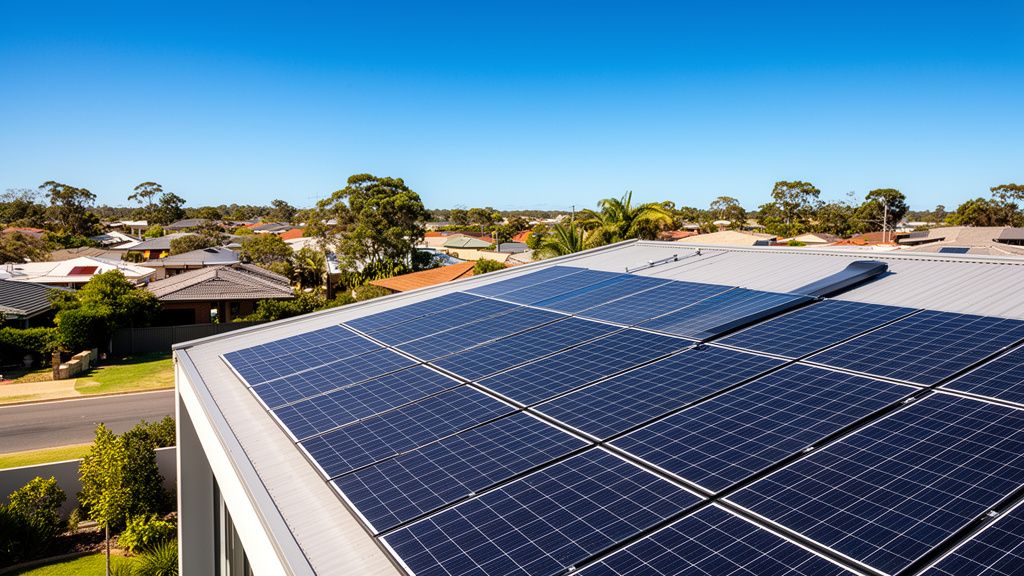
Installing solar panels and a battery system offers significant long-term benefits for Australian households. Electricity prices continue to climb, with many networks reporting increases of 20-30% in the last 12 months, according to the ACCC's latest retail electricity market report. Generating your own power and storing excess energy means relying less on the grid, directly cutting your quarterly power bills. For many homes, a well-sized system can offset 70-90% of their annual electricity consumption. Beyond financial savings, you gain greater energy independence, protecting your household from future price hikes and grid instability. Using your own clean energy also reduces your carbon footprint, contributing to a more sustainable environment.
How Much Does a Typical Solar and Battery System Cost?
The upfront cost of a solar and battery system varies widely based on size, brand, and installation complexity. A common setup for an average Australian family includes a 6.6kW solar system paired with a 10-13kWh battery. While this initial outlay might seem substantial, various financing options and government incentives reduce the burden. Most installers provide a detailed quote covering components, labour, and connection fees, so you understand the full expense before committing.
Solar System Installation Costs
For a quality 6.6kW solar system using reputable panels and inverter brands, you should expect to pay between $6,000 and $9,000 in major metro areas like Brisbane or Melbourne, before considering the Small-scale Technology Certificates (STCs) rebate. This price covers everything from the panels and inverter to mounting, wiring, and labour. Larger systems, such as 10kW or 13kW, typically cost between $9,000 and $15,000. These figures assume a standard installation on a single-storey house with good roof access. Complicated roofs or specific premium equipment will push the cost higher.
Battery Storage System Costs
Adding a home battery system significantly increases your upfront investment. A common 10-13kWh battery, like a Tesla Powerwall 2 or a BYD Battery-Box Premium, usually costs between $10,000 and $16,000 fully installed. This price often excludes any state-specific battery rebates. Batteries allow you to store excess solar power generated during the day for use at night, dramatically reducing reliance on grid electricity. While the payback period for batteries can be longer than for solar alone, rising electricity costs and decreasing battery prices make them an increasingly attractive option for energy independence.
What Are the Main Ways to Finance a Solar and Battery System?
Several avenues exist to help Australian homeowners finance their solar and battery installations, catering to different financial situations. These options include using personal savings, dedicated green loans, leveraging existing home equity, or exploring vendor-specific financing arrangements. Each method offers distinct advantages and repayment structures. Carefully comparing interest rates, loan terms, and eligibility requirements helps you choose the best fit for your budget.
Using Your Own Savings
Paying for your solar and battery system upfront with cash is the simplest and often most cost-effective method. You avoid interest charges entirely, maximising your long-term savings. While this requires a substantial initial outlay, it results in the quickest payback period and highest return on investment. If you have the funds available, a cash purchase gives you immediate ownership and full control over your energy future without any ongoing loan commitments. Many homeowners choose this path if they have accumulated savings or received a financial windfall.
Green Loans and Specific Solar Financing
Many Australian banks and credit unions now offer specific "green loans" designed for energy-efficient home improvements. These loans often come with lower interest rates compared to standard personal loans, recognising the environmental benefits and energy savings. Companies like Brighte, Plenti, and some major banks offer loans tailored for solar and battery systems, often with flexible terms up to seven or ten years. These loans typically require no upfront deposit and can cover the full cost of your system, making solar accessible without touching your savings.
Home Loan Top-Ups or Refinancing
If you own your home and have sufficient equity, refinancing your existing home loan or applying for a top-up can be a cost-effective way to finance solar and battery. Home loan interest rates are generally lower than personal or green loan rates, meaning smaller repayments over a longer term. You simply increase your home loan amount to cover the solar installation cost. Speak with your mortgage broker or bank to understand if this is a viable option for your situation and what the revised repayment schedule looks like.

Vendor Financing or Power Purchase Agreements (PPAs)
Some solar installation companies offer their own financing solutions, sometimes called "vendor finance" or "rent-to-own" options. These can be convenient but always check the interest rates and terms carefully against traditional loans. A Power Purchase Agreement (PPA) is another model, where a third party owns and maintains the solar system on your roof, and you purchase the generated electricity from them at a fixed, often lower, rate. PPAs remove the upfront cost entirely but mean you don't own the system and savings might be less than direct ownership.
What Government Incentives Reduce Your Out-of-Pocket Costs?
Australian governments offer several incentives to encourage solar and battery adoption, significantly reducing the financial barrier for homeowners. These rebates and schemes aim to make clean energy more affordable and accessible, helping you transition to an electric home faster. Understanding which incentives apply to your location and system helps you calculate your true net cost.
The primary federal incentive is the Small-scale Technology Certificates (STCs) scheme. When you install an eligible solar system, you receive a certain number of STCs based on your system's size and location. These STCs have a market value and are typically "assigned" to your solar installer, who then passes the value on to you as an upfront discount on your system price. For a 6.6kW system in most parts of Australia, this discount can be around $2,500 to $3,500, depending on the current STC market price. This subsidy directly lowers the price you pay.
State governments also offer additional support. Victoria, for example, runs the Solar Homes Program, which includes rebates for solar PV, hot water, and significantly, solar battery storage. Eligible households can receive a rebate of up to $2,950 for a battery installation, provided they meet income thresholds and have an existing solar system or install one concurrently. New South Wales has also run similar battery rebate trials. It is always wise to check your specific state government's energy website for the most current and applicable programs.
Key Takeaways
- Compare financing options like green loans, home loan top-ups, and vendor finance to find the best fit for your budget.
- Factor in the federal Small-scale Technology Certificates (STCs) which provide an upfront discount of $2,500-$3,500 for a 6.6kW solar system.
- Research state-specific battery rebates, such as Victoria's Solar Homes Program offering up to $2,950, to further reduce battery installation costs.
- A 6.6kW solar system typically costs $6,000-$9,000 before STCs, while a 10-13kWh battery adds another $10,000-$16,000, excluding state rebates.
- Paying with cash offers the quickest payback and highest return on investment by eliminating interest charges.
Read More
For a comprehensive overview, check out our master guide: Read the Full Guide Here.