TL;DR: Transitioning to residential solar in Australia requires a careful, customized approach. By matching high-efficiency system configurations (ranging from 6.6 kW to 19 kW) with specialized local engineering, in-house installation teams, and robust warranties, homeowners can achieve up to an 80% reduction in electricity bills while ensuring long-term system durability against elements like coastal salt air.
Introduction to Residential Solar in Australia
As energy costs continue to fluctuate, thousands of Australian homeowners are turning to solar photovoltaic (PV) and battery storage solutions to regain control of their power bills. Industry leaders like One Power Solar have already supported over 14,000 customers in generating collective savings exceeding $48 million. However, achieving these high returns requires moving away from generic, one-size-fits-all installations. A high-performing system must be custom-built to match the unique physical characteristics of your property, your household consumption patterns, and the local climate.
Going solar does not mean you have to sacrifice your day-to-day lifestyle. By integrating advanced panels, optimized inverters, and intelligent battery storage, a tailored home system can seamlessly manage your energy demands, allowing you to run major appliances, cool or heat your home, and power electronic devices using clean, self-generated energy.
Understanding System Sizing and Expected Savings
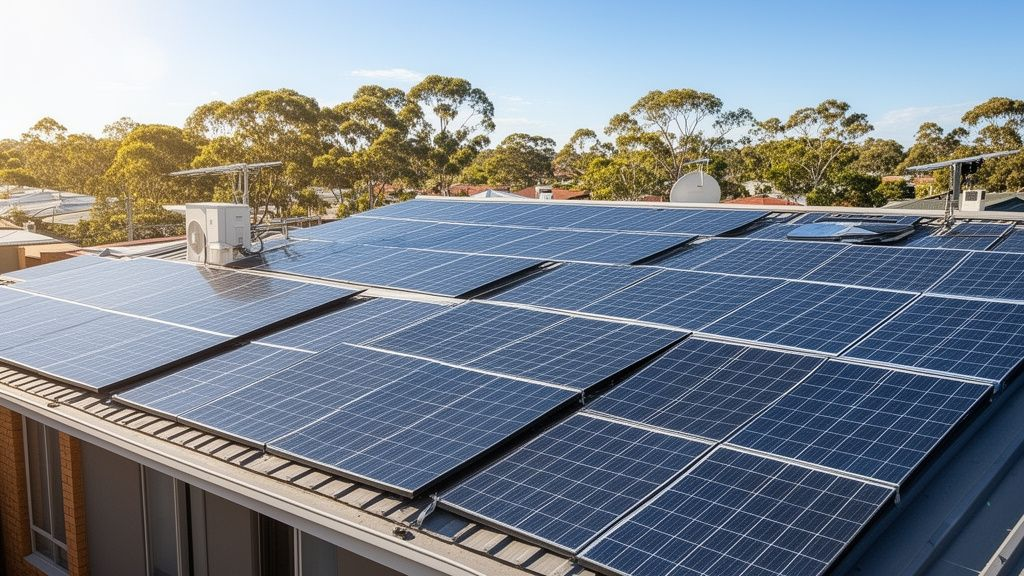
To maximize your return on investment, your solar array must be matched correctly to your home's size and energy footprint. Standard industry tiers offer predictable generation capacities and yearly savings, though local performance will vary based on shading and orientation. Prominent Australian retailers like Solar Miner offer specific, engineered configurations using high-efficiency 440W solar panels:
- 6.6 kW Solar Systems (Ideal for Medium Houses): Typically configured with 15 premium 440W solar panels paired with a 5kW solar inverter. This layout is highly efficient and serves as a trusted entry point for standard suburban homes, delivering an estimated yearly savings of $1,900.81.
- 10.3 kW Solar Systems (Ideal for Large Houses): This setup employs 23 of the 440W solar panels and is managed by a single 8kW solar inverter. It is designed to offset the high power draw of larger families or small home-based operations, yielding estimated yearly savings of $2,649.31.
- 13.2 kW Solar Systems (Ideal for Huge Houses): Built using 30 of the 440W solar panels and integrated with a 10kW solar inverter. This system size is tailored for properties with elevated energy consumption, such as those running ducted air conditioning or pool pumps, generating estimated annual savings of $3,750.05.
- 15 kW Solar Systems: Optimized for large residential properties with substantial energy profiles, utilizing 30 panels combined with a dedicated 15kW solar inverter.
In addition to these standard sizes, companies like PSW Energy provide flexible, variable packages including 6.6 kW, 10 kW, 13 kW, and 19 kW residential systems to ensure there is a precise match for every structural layout and consumption profile.
Engineering and Design: The Layer-by-Layer Approach
To achieve optimal performance, residential energy systems must be designed as cohesive, integrated platforms. Sydney-based specialist SCE Solar (Smooth Current Electrical & Solar) utilizes a precise, layer-by-layer planning methodology that customizes each component of the home energy ecosystem:
- The Panel Array: The physical layout of the solar array is designed explicitly around your property's roof space, structural layout, angle, and any physical shading considerations (such as nearby trees, chimneys, or neighboring buildings).
- The Inverter: The inverter acts as the brain of the system, converting the raw Direct Current (DC) electricity generated by your panels into usable Alternating Current (AC) for your home. It must be carefully matched to the total capacity of the panel array and sized appropriately to handle your home's peak charge and discharge demands.
- The Battery Storage: Sizing for battery storage is determined by evaluating both current and future home energy consumption. Proper integration allows you to participate in Virtual Power Plants (VPPs) or secure backup power during grid failures.
- The Smart EV Charger: If your household utilizes or plans to acquire an Electric Vehicle (EV), a smart charger can be integrated to talk directly with the solar and battery system. This ensures your vehicle is charged directly using surplus power from the sun, minimizing grid consumption.
To initiate this process, a comprehensive home energy audit should be conducted. Installers examine your previous electricity bills, inspect the roof's structural integrity, analyze local shading patterns, and map out exactly when and how your family uses power throughout the day.

Navigating the Coastal Environment and Product Durability
Australia’s geography presents severe environmental challenges that can rapidly degrade sub-standard electrical components. Coastal properties—such as those situated along Sydney's Northern Beaches, North Shore, or other maritime corridors—are subject to constant exposure from salty sea air, high humidity, and intense ultraviolet radiation.
Salt air can corrode mounting frames, degrade electrical connections, and cause premature failure in cheap solar inverters and panels. To prevent these costly issues, select components specifically engineered to withstand coastal elements. Working with local specialists like SCE Solar ensures that every component—from the heavy-duty mounting rails to the smallest wiring connector—is selected for extreme durability.
Furthermore, long-term warranties protect your investment against premature degradation. Top-tier retailers back their products with extensive guarantees. For instance, One Power Solar provides a complimentary 25-year performance warranty on their installations. Similarly, Solar Miner offers a 25-year linear output warranty on their high-efficiency panels, while SCE Solar provides a 12-year installation guarantee, ensuring peace of mind for decades.
Safeguarding Your Investment: In-House Installers vs. Subcontractors
One of the most critical decisions a homeowner faces is choosing the team that will physically install the system. Many volume-based solar retailers rely heavily on third-party subcontractors to carry out physical installations. This subcontracting model can lead to inconsistent workmanship, poor communication, and delays if problems arise after the sale.
In contrast, dedicated local firms like One Power Solar and SCE Solar maintain 100% in-house installation teams. By employing their own qualified, licensed, and insured electricians and solar professionals, these companies maintain complete control over the safety, punctuality, and quality of the workmanship. In-house teams undergo regular, rigorous training to meet high industry standards, ensuring that electrical wiring, inverter placement, and panel mounting are executed without shortcuts.
Rebates, Incentives, and Industry Codes
Navigating the financial landscape of residential solar can significantly lower your upfront capital requirements. Homeowners are eligible to receive assistance in accessing government rebate schemes, which are frequently processed as Small-scale Technology Certificates (STCs) or Renewable Energy Certificates (RECs). Solar Miner assists customers with accessing these government rebates and offers $0 upfront solar options to make clean energy transition affordable.
When choosing a retailer, verify their industry credentials to avoid fraudulent operators. Look for companies that are New Energy Tech Approved Sellers. The New Energy Tech Consumer Code (NETCC) is the industry's premier consumer protection program, replacing the Clean Energy Council's (CEC) old Approved Retailer registry. Over 2,000 Australian solar and battery retailers have signed onto the NETCC, agreeing to strict, enforceable standards governing sales conduct, transparent contracts, and dedicated after-sales support. Additionally, memberships in professional bodies, such as the Master Electricians Association, indicate that an installer is fully qualified, licensed, and committed to safe electrical practice.
Key Takeaways
- Maximize Value with Custom Design: Generic systems fail to deliver peak savings. Tailor your panel layout, inverter capacity, and battery storage to your actual energy use and roof structure.
- Verify Panel and Inverter Sizing: Match your home size to standard configurations, such as 6.6 kW, 10.3 kW, or 13.2 kW setups utilizing high-output 440W panels.
- Protect Against the Elements: Coastal and salty environments require durable, marine-grade components backed by long warranties, such as a 25-year linear output or performance warranty.
- Insist on In-House Teams: Avoid the risks associated with subcontractors. Choose certified, insured installers who utilize their own in-house, qualified electricians.
- Look for NETCC Approval: Ensure your chosen solar provider is a NETCC Approved Seller and check their registration before making deposit payments.
Related Guides
- Selecting the Right Equipment: A Guide to Australian Solar Panel and Battery Brands
- Industry Crackdown: Investigations and Consumer Rights in the Australian Solar Sector
- Scaling Clean Energy: Commercial Solar Systems for Australian Businesses
- Integrating Smart Energy Storage: A Complete Guide to Solar Batteries and EV Chargers