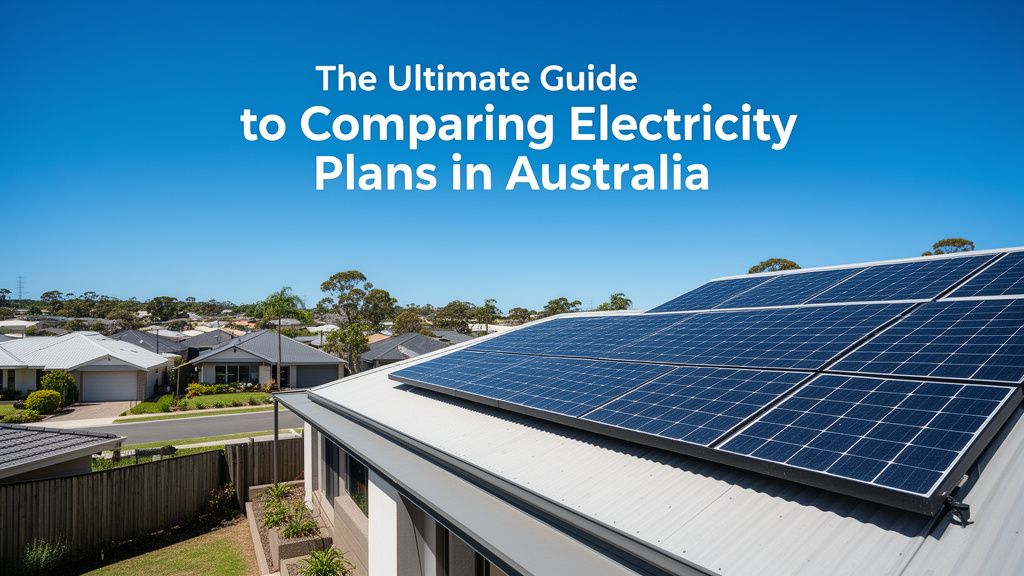
Are you feeling the pinch of rising electricity bills? In today's economic climate, every dollar counts, and for many Australian households, the quarterly power bill can be a real shocker. With a constantly evolving energy market and a plethora of retailers vying for your business, navigating the options can feel like deciphering a cryptic puzzle. But what if you could take control, understand your choices, and significantly reduce your energy costs? This guide is designed to arm you with the knowledge and tools to confidently compare electricity plans across Australia, ensuring you get the best deal – especially if you’re a solar household looking to maximise your savings.
Why Bother Comparing? The Savings Are Real!
It’s a common misconception that all electricity plans are more or less the same. The truth is, there can be hundreds of dollars in difference annually between the cheapest and most expensive plans, even from the same provider! The energy market is dynamic, with retailers frequently introducing new offers, changing rates, and adjusting solar feed-in tariffs (FiTs). Sticking with the same plan year after year is often a recipe for overpaying. Regular comparisons ensure you're always on the most competitive plan tailored to your usage habits.
Decoding Your Electricity Bill: Key Components
Before you can compare, you need to understand what you're paying for. Grab your latest electricity bill – it's your most valuable tool. Here are the core components you’ll find:
- Usage Charges (Cents per Kilowatt-hour - c/kWh): This is the cost for the actual electricity you consume. It’s often broken down into:
- Peak: Highest rates, typically during mornings and evenings.
- Shoulder: Moderate rates, usually between peak and off-peak times.
- Off-peak: Lowest rates, often overnight and sometimes on weekends.
- Supply Charges (Dollars per Day - $/day): A fixed daily service fee, regardless of how much electricity you use. This covers the cost of maintaining the poles, wires, and other infrastructure that brings power to your home.
- Controlled Load Charges (c/kWh): If you have specific appliances like an electric hot water system or a pool pump wired separately, they might be on a controlled load tariff, meaning they operate during specific, cheaper off-peak hours.
- Solar Feed-in Tariffs (FiT) (c/kWh): Crucial for solar households! This is the credit you receive for any excess solar electricity your system generates and exports back to the grid. FiTs can vary significantly between retailers.
- Concessions and Rebates: Government assistance programs for eligible households, such as pensioners or low-income earners.
Understanding Your Energy Usage: The First Step
You can’t find the best plan without knowing your own consumption patterns. Look at your past electricity bills for detailed usage information. Many retailers also offer online portals or apps where you can track your usage data, sometimes even in half-hourly increments if you have a smart meter.
- When do you use the most power? Are you a night owl or an early bird?
- How much power do you typically use each quarter? This will give you an idea of your total consumption.
- For solar households: How much of your generated solar power do you self-consume, and how much do you typically export to the grid? This is vital for evaluating FiT values.
Key Factors to Consider When Comparing Plans
With your usage data in hand, it's time to dive into the comparison specifics:
Type of Plan
- Standard Offer vs. Market Offer: Standard offers (or Default Market Offers/Victorian Default Offers) are basic, regulated rates. Market offers are where retailers compete, often providing better value and incentives.
- Fixed vs. Variable Rates: Fixed-rate plans lock in your usage charges for a set period, offering predictability. Variable rates can change with market conditions, which could be good or bad.
- Time-of-Use (ToU) vs. Single Rate: Single rate plans charge the same c/kWh regardless of when you use power. ToU plans have different rates for peak, shoulder, and off-peak times. Solar households often benefit from ToU plans if they can shift their heavy appliance usage (dishwasher, washing machine) to capitalise on their own solar generation during the day or to the cheapest off-peak grid times.
- Demand Tariffs: A newer tariff structure being trialled in some areas, where you pay based on your peak demand (the highest spike of usage) rather than just total consumption. Less common, but something to be aware of.
Discounts
Be wary of eye-catching discounts.


- Conditional Discounts: These often require direct debit, email billing, or paying on time. They can be good, but ensure you meet the conditions.
- Unconditional Discounts: Apply automatically without specific actions from you. Always preferable.
- Is the discount applied to the entire bill or just the usage component? Some discounts might exclude supply charges or FiTs.
Solar Feed-in Tariffs (FiT)
This is a game-changer for solar owners. A higher FiT means more credit for your exported power. However, be cautious: some retailers offer very high FiTs but compensate by having higher usage charges or supply charges. The best plan for you depends on how much you self-consume versus how much you export. If you export a lot, a higher FiT might be beneficial, even with slightly higher usage rates. If you primarily self-consume, focusing on low usage charges might be better.
Contract Length and Exit Fees
Most market offers come with a contract term (e.g., 12 or 24 months). Check for any exit fees or early termination charges if you decide to switch before the contract ends. Ideally, look for plans with no exit fees for maximum flexibility.
Green Energy Options
Many retailers offer GreenPower options, allowing you to pay a little extra to ensure a percentage of your electricity comes from renewable sources. If environmental impact is a priority, factor this in.
Customer Service and Support
Cheaper isn't always better if you can't get help when you need it. Check online reviews and comparison sites for customer satisfaction ratings.
Where to Compare Electricity Plans
Australia has excellent government-backed comparison websites:
- Energy Made Easy (energymadeeasy.gov.au): For NSW, QLD, SA, Tas, and ACT residents.
- Victorian Energy Compare (victorianenergycompare.vic.gov.au): Specifically for Victorian residents, offering a $250 power saving bonus for those who use it and switch plans.
- Retailer Websites: Once you've narrowed down some options, visit the retailer's direct website for the full details.
You can also find commercial comparison services like Mozo or Canstar Blue, but always be aware they may have commercial agreements with retailers. Start with the government sites for impartial advice.
The Comparison Process: A Step-by-Step Guide
- Gather Your Latest Bills: You’ll need your NMI (National Meter Identifier) and potentially your average daily usage.
- Head to a Government Comparison Site: Input your details and select your preferences.
- Analyse the Results: Don't just pick the cheapest estimated annual cost. Look at the breakdown of usage rates, supply charges, and especially the FiT for solar households.
- Read the Energy Fact Sheet: Every plan has one. It details all rates, terms, and conditions clearly.
- Contact Retailers (Optional): If you have specific questions or want to negotiate, call them directly. Sometimes they can match or beat a competitor's offer.
- Switch! If you find a better deal, the switching process is usually seamless and handled by your new retailer.
Pro Tips for Solar Households
- Maximise Self-Consumption: The cheapest energy is the energy you generate and use yourself. Program appliances to run during daylight hours when your solar system is producing.
- Balance FiT with Usage Rates: Don't get fixated on the highest FiT alone. A plan with a slightly lower FiT but significantly lower usage rates might save you more if you primarily self-consume. Use your past bills to estimate your exports vs. imports.
- Consider Battery Storage: While a bigger investment, batteries can further reduce your reliance on the grid by storing excess solar for evening use, potentially making plans with high FiTs less critical.
Don't Let Your Savings Slip Away
Comparing electricity plans doesn't have to be a chore. By understanding the components of your bill, knowing your usage habits, and utilising the excellent resources available, you can confidently navigate the market and secure a deal that genuinely saves you money. Don't be passive – take control of your energy costs today and ensure you're not paying a cent more than you need to. Your wallet (and potentially the planet!) will thank you.
Read More
For a comprehensive overview, check out our master guide: Read the Full Guide Here.


