TL;DR: Residential solar battery schemes across Australia have significantly boosted home energy independence and grid stability. These programs support homeowners in maximising self-consumption of solar power and reducing reliance on the main grid during peak times, leading to financial benefits and a stronger renewable energy network.
Why Are Residential Solar Batteries Becoming Essential in Australia?
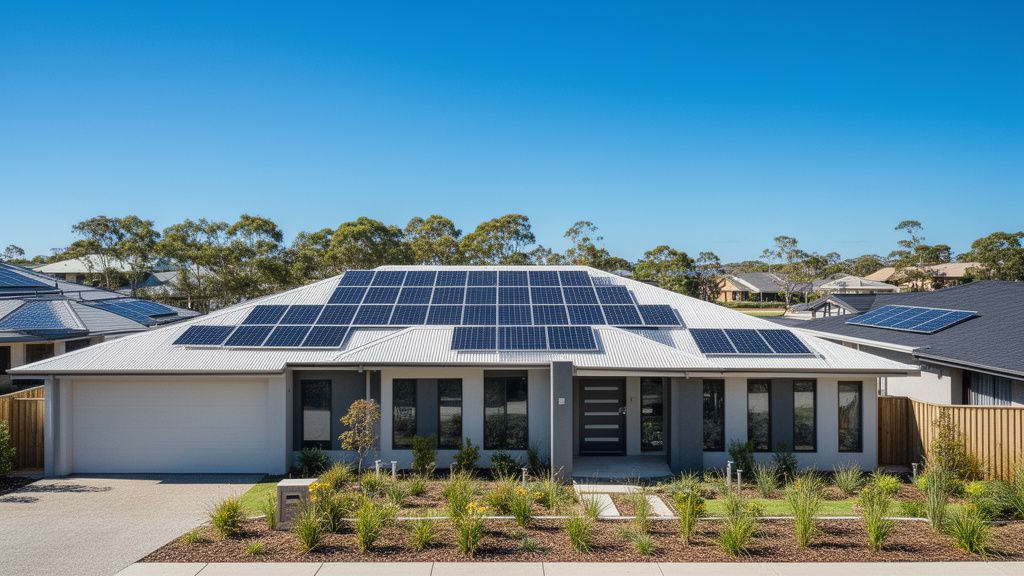
Residential solar batteries are increasingly essential in Australia due to evolving energy market dynamics and a homeowner's desire for greater control over their electricity supply. Many households with solar panels realise they export significant amounts of excess power to the grid during the day, only to buy it back at a higher rate later. As the value of solar feed-in tariffs has declined, storing self-generated electricity for later use has become a far more attractive proposition. This shift allows households to insulate themselves from rising electricity prices, optimise their solar investment, and reduce their overall reliance on external energy retailers. The ability to use solar power at night or during peak demand periods offers both economic and practical advantages for Australian families.
The Shift from Exporting to Self-Consumption
For many years, exporting excess solar power to the grid was a viable strategy, supported by relatively generous feed-in tariffs. However, with the general reduction in these tariffs, simply pushing power back to the grid offers less financial incentive. Home battery storage changes this equation by enabling homeowners to capture their daytime solar generation instead of exporting it cheaply. This stored energy then powers the home during evenings or cloudy periods when solar panels are not producing. Maximising self-consumption significantly reduces the amount of electricity a household needs to purchase from the grid, directly impacting monthly energy bills and enhancing the financial return on their solar investment.
Bolstering Grid Resilience and Stability
Beyond individual household benefits, the widespread adoption of residential batteries plays a crucial role in strengthening Australia's energy grid. When homes store their solar power, they reduce demand on the central grid, particularly during high-stress periods like summer evenings when air conditioners are running flat out. This decentralised storage helps smooth out demand peaks, easing pressure on network infrastructure and potentially delaying the need for costly grid upgrades. Furthermore, in areas prone to outages, a battery can provide a backup power supply, offering household energy security and contributing to a more robust, distributed energy network capable of handling future challenges.
How Do Australian States Support Residential Battery Installations?
Australian states actively support residential battery installations through various targeted programs designed to make storage technology more accessible and affordable for homeowners. These initiatives recognise the vital role batteries play in accelerating the transition to a renewable energy future and enhancing energy security at a local level. Governments offer a mix of financial incentives, educational resources, and streamlined processes to encourage uptake. The goal is to stimulate the market, drive down costs through volume, and ensure a broader segment of the population can participate in the benefits of home energy storage.
Government Rebates and Low-Interest Loans
Many state governments have introduced schemes that include direct rebates or low-interest loans specifically for residential battery installations. These financial incentives significantly reduce the upfront cost barrier, which has historically been a major hurdle for homeowners considering batteries. A rebate might offer a fixed amount off the purchase price, while a loan scheme allows families to finance the system over several years at a preferential rate. These programs are often structured to encourage high-quality installations and specific battery capacities, ensuring both value for money for the homeowner and optimal benefit for the wider energy system. Eligibility criteria usually consider factors like system size, household income, and existing solar capacity.
Virtual Power Plant (VPP) Integration Opportunities
Virtual Power Plants (VPPs) represent another significant area of government and industry support for residential batteries. A VPP aggregates many individual home batteries into a collective network, allowing them to operate as a single, coordinated power resource. Through VPP programs, homeowners can often receive payments or credits for allowing their battery to be dispatched by an energy retailer during times of high grid demand. This not only provides an additional revenue stream for battery owners but also delivers valuable services to the grid, such as demand response and frequency control. State governments often facilitate VPP pilot programs and partnerships, laying the groundwork for a more integrated and responsive energy market powered by distributed home storage.

What Benefits Do Battery Schemes Deliver to Homeowners and the Network?
Residential battery schemes deliver substantial benefits to both individual Australian homeowners and the broader energy network, marking a significant step towards a more sustainable and independent energy future. For homeowners, these schemes translate directly into tangible financial savings and enhanced energy security. On a larger scale, the collective impact of thousands of home batteries contributes to a more resilient, efficient, and environmentally friendly electricity grid, demonstrating the success of these programs in driving real-world change. These benefits are interconnected, where individual decisions cumulatively strengthen the national energy landscape.
Greater Savings and Energy Security
Homeowners participating in battery schemes typically experience considerable reductions in their electricity bills. By storing their self-generated solar power, they avoid purchasing electricity from the grid during expensive peak periods, effectively turning their roof into a personal power plant that operates day and night. This ability to self-consume also provides a significant hedge against future electricity price rises, offering long-term financial stability. Beyond the dollar savings, batteries offer a layer of energy security, especially in areas prone to power outages. While not all systems offer blackout protection, many newer battery setups can provide uninterrupted power to essential loads during grid failures, delivering peace of mind to families.
Contribution to a Greener Energy Future
The widespread adoption of residential batteries is a critical accelerator for Australia's transition to a greener energy future. By enabling more solar power to be consumed directly by homes rather than being curtailed or exported at inopportune times, batteries increase the overall utilisation of renewable energy. This reduces the reliance on fossil fuel-generated electricity, particularly during peak demand when traditional power stations often ramp up production. Each household battery contributes to a cleaner energy mix, lowering carbon emissions and helping Australia meet its environmental targets. The distributed nature of battery storage also paves the way for a more decentralised, renewable-dominated grid that is less dependent on large, centralised power plants.
Key Takeaways
- Australian residential solar battery schemes significantly enhance home energy independence and financial savings.
- These programs help homeowners maximise self-consumption of their solar power, reducing reliance on grid electricity during expensive peak times.
- State government initiatives, including rebates and low-interest loans, play a crucial role in making battery storage more accessible.
- Virtual Power Plant opportunities allow homeowners to earn income by contributing their battery's stored energy to support grid stability.
- The collective impact of home batteries strengthens grid resilience and accelerates Australia's transition to a greener, more sustainable energy future.