The Hybrid Debate: Why Modern Travellers Are Moving Beyond Semi-Electric
The open road, the endless horizon, the scent of the bush after rain – it's the quintessential Aussie travel dream. For decades, many of us have relied on traditional setups for our caravans and camper trailers, often described as "semi-electric." These systems combined a combustion engine for propulsion with a rudimentary 12V setup, maybe a small solar panel, and often a noisy generator rattling away in the background. But times are changing, and for modern Australian travellers, the semi-electric era is rapidly becoming a relic of the past. We’re moving towards true integration, smarter energy, and a significantly greener footprint.
What Exactly Was "Semi-Electric"? (And Why It's Fading)
Picture this: your ute or SUV is chugging along, towing your caravan. You've got a dual-battery system in the tow vehicle, perhaps another battery in the caravan, charged by an isolator or a basic DC-DC charger when driving. You might have a 100W panel on the roof, enough to trickle-charge a fridge if the sun's perfect. For anything more demanding – running an air conditioner, a microwave, or even just keeping all your devices charged – out comes the petrol generator. The hum of the generator interrupting the serenity of the bush, the constant need for fuel, and the overall inefficiency of managing multiple disparate power sources defined the semi-electric experience. It was a patchwork solution, often creating more headaches than convenience for those wanting real off-grid independence. The limitations were clear: limited power, short off-grid durations, reliance on fossil fuels, and that incessant noise.
The Rise of True Hybrid & Fully Electric Travel
Modern travel demands more. It's about seamless power, extended off-grid capabilities, and a reduced environmental impact. This is where true hybrid and fully electric systems come into their own. We're talking about sophisticated integrations where high-capacity lithium battery banks, powerful solar arrays, and intelligent energy management systems work in harmony. For caravans and camper trailers, this means significantly larger battery banks (often 400Ah+), inverter chargers capable of delivering consistent 240V power, and enough solar to replenish daily usage without a second thought. Some innovative builders are even integrating electric axles into caravans, offering assistance to the tow vehicle or allowing for short-range electric movement around campsites. For some pioneering travellers, the move is even further, embracing fully electric tow vehicles or self-contained electric campers, charging predominantly from solar or fast chargers along the main routes.
Solar: The Essential Partner in Modern Hybrid Travel
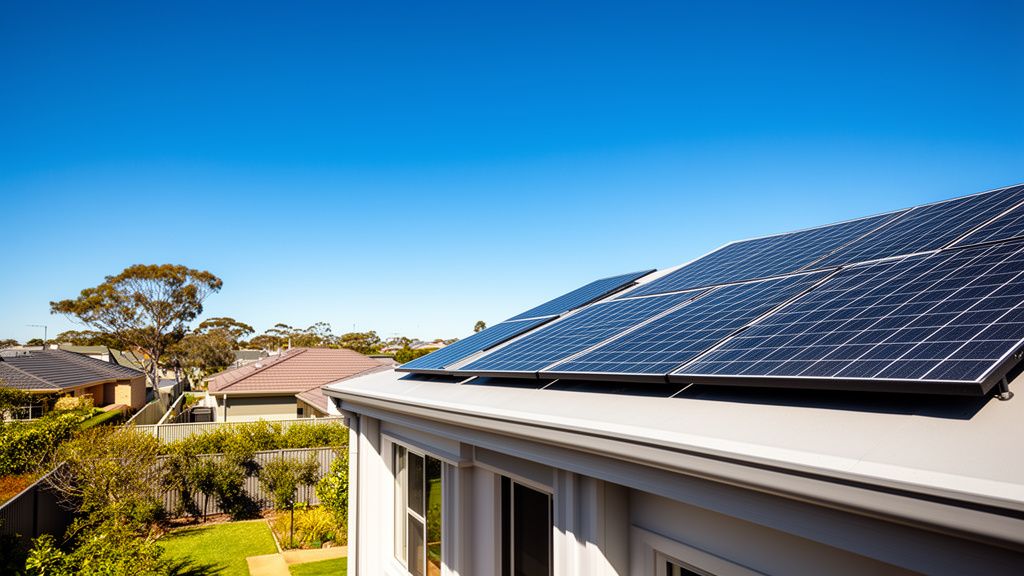
Central to this shift is the evolution of solar technology. Gone are the days when a small 100W panel was considered sufficient. Modern hybrid setups demand serious solar input. We're seeing travellers install 600W, 800W, or even 1000W+ of solar panels on their caravan roofs – a mix of fixed and portable panels – coupled with advanced MPPT solar controllers. This high-capacity solar, combined with efficient lithium batteries, means you can comfortably power everything from induction cooktops and high-wattage coffee machines to air conditioning units and Starlink internet dishes, all while deep in the Australian outback. Solar isn't just a supplementary power source; it's the primary engine of off-grid independence, allowing for prolonged stays in remote areas without the need for generator fumes or servo runs.

Beyond the Basics: What Modern Travellers Are Seeking
Modern travellers aren't just looking for power; they're looking for an experience.
Greater Independence: The ability to stay off-grid for weeks, not days, without compromise. Imagine setting up camp by a remote beach or in the heart of the national park, knowing your power supply is self-sufficient.
Reduced Fuel Costs: With petrol prices fluctuating wildly, minimising generator run-time and maximising solar charging directly impacts the hip pocket. For electric tow vehicles, the savings are even more substantial over thousands of kilometres.
Environmental Footprint: A growing number of Australians are conscious of their impact. Reducing reliance on fossil fuels and embracing renewable energy aligns with a desire to preserve the pristine natural beauty we travel to experience.
Comfort & Convenience: The silent operation of a fully solar-powered system is a game-changer. No more generator noise at dusk, no more lugging jerry cans. Just clean, reliable power at your fingertips, managed via smart apps. This level of comfort and convenience elevates the entire travel experience.
Costs and Considerations for Making the Leap
Admittedly, upgrading to a true hybrid or a fully electric-ready system represents a significant upfront investment. A robust lithium battery bank (e.g., 400Ah to 600Ah) could set you back $3,000-$8,000, depending on the brand and capacity. Add in a powerful inverter charger (3000W-5000W) at $1,500-$3,000, and a substantial solar array (600W+) with MPPT controllers for another $1,000-$2,500. Then there's the professional installation, wiring, and safety considerations, which might add another few thousand dollars. A full, sophisticated system for a large caravan could easily push past the $10,000-$20,000 mark. However, many savvy travellers view this as an investment in unparalleled freedom, long-term fuel savings, and an enhanced travel experience that pays dividends over years of adventuring.
The Future is Bright (and Electric)
The shift away from basic semi-electric setups is more than just a trend; it's a fundamental re-evaluation of how we power our adventures. Modern Australian travellers are embracing advanced hybrid and fully electric solutions, driven by a desire for greater independence, reduced costs, environmental responsibility, and unmatched comfort. As technology continues to evolve and component costs potentially decrease, expect to see even more innovative and accessible ways to travel the beautiful Australian landscape with clean, quiet, and abundant power. The future of Australian travel is undoubtedly bright, and it's increasingly electric.
Read More
For a comprehensive overview, check out our master guide: Read the Full Guide Here.