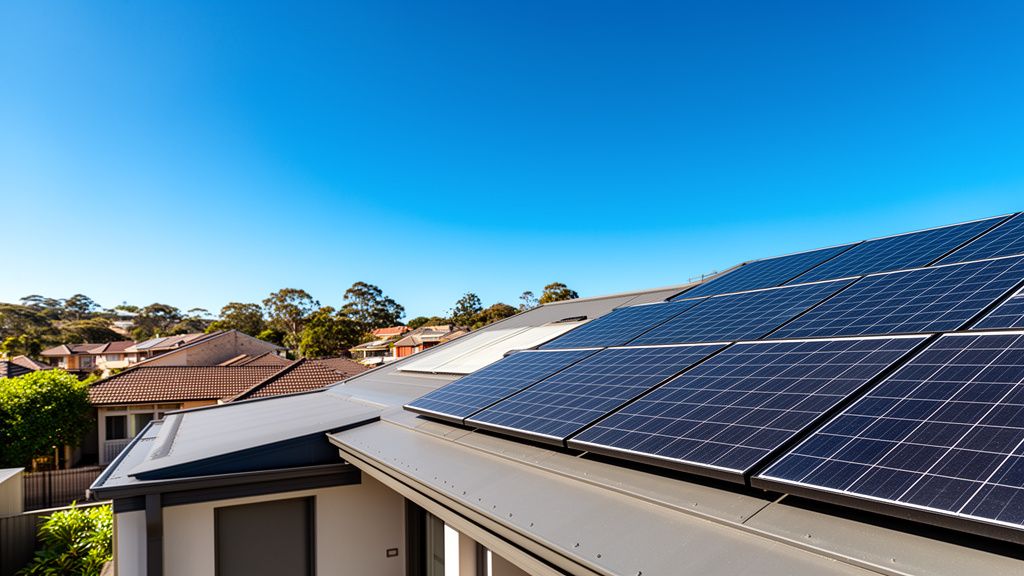
TL;DR: Sydney electricity prices are expected to continue their upward trend due to rising wholesale energy costs, essential network infrastructure upgrades, and inflation. Homeowners can anticipate potential bill increases, making investment in solar power and battery storage a financially sound strategy to significantly offset these rising expenses and gain greater control over their energy costs.
Why Are Sydney Electricity Prices Projected to Increase?
Sydney electricity prices are projected to increase primarily due to a confluence of rising wholesale energy costs, ongoing necessary network infrastructure upgrades, and broader inflationary pressures across the economy. Wholesale prices, which make up a significant portion of your bill, are heavily influenced by the cost of coal and gas for generation, market volatility, and the increasing demand for cleaner energy sources requiring new investment. Additionally, maintaining and upgrading the vast network of poles and wires across NSW is a continuous, costly endeavour. These network charges are passed directly onto consumers, ensuring the grid remains reliable and capable of handling future demand, including the integration of more renewables. Retailer operating costs and profit margins also contribute to the final price consumers pay.
The Impact of Wholesale Energy Market Dynamics
The dynamics of the wholesale energy market are a major driver behind escalating electricity bills in Sydney. Generators bid to supply power to the National Electricity Market (NEM), and these bids are influenced by fuel costs (primarily coal and gas), carbon prices, and supply-demand imbalances. When international coal and gas prices surge, so do the costs for Australian power generators, which inevitably translates into higher wholesale electricity prices. Furthermore, extreme weather events can put strain on the grid, leading to price spikes as demand rises or generation capacity is temporarily impacted. This volatility and general upward trend in fossil fuel costs create an unstable environment, pushing retail electricity prices higher for Sydney households.
Rising Network Charges and Infrastructure Investment
Network charges, which cover the transmission and distribution of electricity through poles, wires, and substations, represent a substantial component of a Sydney household's electricity bill. These charges are projected to rise as network service providers (NSPs) invest heavily in maintaining ageing infrastructure, upgrading the grid to improve reliability, and preparing it for the influx of distributed energy resources like rooftop solar. Integrating renewable energy and ensuring grid stability requires significant capital expenditure. While these investments are necessary for a resilient energy system, the costs are ultimately recovered from consumers. This means Sydney residents will continue to see increases in the network component of their bills.
How Much Could Sydney Electricity Bills Go Up By?
Sydney electricity bills could see increases ranging from 5% to 15% annually over the next few years, depending on various market factors and regulatory decisions. While the exact figures are subject to change and specific retailer offers, the underlying trends suggest a consistent upward pressure. For an average Sydney household consuming around 6,000 kWh per year, currently paying approximately $0.28 to $0.35 per kWh, this could translate to an annual bill increase of anywhere from $100 to over $300. These projections point to the importance of understanding your energy usage patterns and exploring options to mitigate these rising costs. Government bodies like the Australian Energy Regulator (AER) often publish default market offers (DMO) that set a price cap for standing offers, which can provide a benchmark for expected increases.
Average Household Bill Projections
Based on current trends and regulatory outlooks, an average Sydney household can expect their annual electricity bill to climb. If a typical bill is currently around $1,800 to $2,100 per year, a 10% increase would push it to approximately $1,980 to $2,310. These projections highlight a significant financial burden for many families and individuals. The increases are not uniform; households on standing offers might see larger jumps compared to those on competitive market offers, but the general direction is clear. Understanding these potential increases allows homeowners to proactively budget and consider energy-saving measures, including renewable energy solutions, to soften the blow.
The Role of Peak Demand in Pricing
Peak demand heavily influences how much Sydney electricity bills could increase, particularly for those on time-of-use tariffs. During periods of high demand, such as hot summer afternoons when air conditioners are running full tilt, the wholesale price of electricity spikes dramatically. Retailers often pass these higher costs onto consumers, with peak rates potentially reaching $0.50 per kWh or more in some plans. As the climate warms and the population grows, peak demand events are expected to become more frequent and intense. This means that even if average rates rise moderately, strategic management of electricity use during peak times becomes critical to avoiding disproportionately higher bills.
Can Solar Power Effectively Counter Rising Electricity Costs in Sydney?
Solar power can very effectively counter rising electricity costs in Sydney, providing a strong long-term solution to mitigate the impact of increasing grid tariffs. By generating your own electricity, you reduce your reliance on the grid, thereby significantly cutting down on the amount of power you need to purchase from retailers. A typical 6.6kW solar system, common for Sydney homes, can produce around 25-30 kWh per day, offsetting a substantial portion of an average household's daily consumption. The savings come from avoiding the purchase of expensive peak power and, to a lesser extent, from earning a feed-in tariff (FiT) for any excess electricity exported back to the grid. These savings become more pronounced as grid electricity prices continue their ascent.
Understanding Solar System Payback Periods
Understanding solar system payback periods is necessary for Sydney homeowners considering an investment. With the average cost of a quality 6.6kW solar system in Sydney, after STC rebates, typically ranging from $6,000 to $9,000, the payback period can often be as short as 3-5 years. This calculation depends heavily on your household's electricity consumption, your existing electricity rates, and how much of the generated solar power you self-consume versus export. As electricity prices rise, the financial returns on solar accelerate, meaning your system pays for itself even faster. After the payback period, the electricity generated is essentially free, translating into thousands of dollars in savings over the system's 25+ year lifespan.
The Benefits of Battery Storage for Bill Reduction
The benefits of battery storage for bill reduction in Sydney are becoming increasingly compelling, especially as electricity prices climb and feed-in tariffs remain modest. A Solar Battery allows you to store excess solar power generated during the day instead of exporting it to the grid for a low FiT. You can then use this stored energy during the evening peak, when grid electricity is most expensive, or during power outages. This maximises your self-consumption, significantly reducing the amount of power you need to buy from your retailer at peak rates. While the upfront cost of batteries is higher, combining them with solar can dramatically cut bills and provide energy independence, leading to superior long-term savings and a quicker return on investment as grid prices continue to rise.
What Government Incentives and Rebates Are Available for Solar in NSW?
Several government incentives and rebates are available for solar in NSW, significantly reducing the upfront cost of installing a system and making it more accessible for homeowners. The most impactful is the federal Small-scale Technology Certificates (STCs) scheme, which provides an upfront discount on solar installations across Australia. In addition, NSW has occasionally offered state-specific programs, such as interest-free loans for solar batteries under the household energy support program (though specific eligibility and availability should always be checked as programs evolve). These incentives are designed to encourage the adoption of renewable energy, helping Australian households manage their energy costs while contributing to national emissions reduction targets.
The Small-scale Technology Certificates (STCs) Scheme
The Small-scale Technology Certificates (STCs) scheme is a foundation of solar incentives in Australia, including NSW. When you install an eligible small-scale renewable energy system (like rooftop solar panels), you are entitled to a certain number of STCs. The number of STCs is determined by factors such as the size of your system, its geographical location (Sydney falls into Zone 3), and the deeming period (currently until 2030). Each STC has a monetary value, which fluctuates with market demand, typically ranging from $30-$40. Your solar installer usually processes these STCs on your behalf, offering you an immediate discount off the purchase price of your system. For a 6.6kW system in Sydney, this could mean an upfront saving of several thousand dollars.
NSW's Household Energy Support Program
NSW has previously offered targeted initiatives like the Empowering Homes program, which provided interest-free loans for eligible households to install solar battery systems. While the specific availability and criteria of such state-level programs can change, they aim to further incentivise energy storage solutions, enabling homeowners to maximise their solar investment. These types of loans typically have specific income thresholds and other eligibility requirements, and homeowners need to check the current status with the NSW government's energy department or reputable solar providers. Combining federal STCs with any available state-level support can significantly improve the financial viability of installing a complete solar and battery solution in Sydney.
Key Takeaways
- Sydney electricity prices are on an upward trajectory due to wholesale market costs, network upgrades, and inflation, necessitating proactive energy management.
- Installing a solar power system, such as a 6.6kW setup, can substantially reduce reliance on grid electricity and provide significant savings over the long term.
- Integrating battery storage with solar maximises self-consumption, allowing you to use stored energy during expensive peak times and improving energy independence.
- Federal incentives like Small-scale Technology Certificates (STCs) offer significant upfront discounts, making solar more affordable for Sydney homeowners.
- Regularly review your electricity plan and consider solar to future-proof your home against rising energy costs and gain greater control over your bills.