TL;DR: Installing a home solar and battery system requires a structured, multi-step process to ensure maximum output and rebate eligibility. Drawing on the real-world methodologies of certified Australian installers and verified customer reviews, this guide outlines the three essential phases of the residential solar journey: Site Assessment, Installation, and Activation.
Phase 1: Site Assessment and Custom Engineering
Every home features a unique layout, shading profile, and energy consumption pattern, meaning a standard "one-size-fits-all" solar setup rarely delivers optimal savings. The residential solar journey begins with a comprehensive, professional site assessment.
During this initial phase, certified engineering teams evaluate several critical parameters of your property:
- Physical Space and Rooftop Orientation: Assessing the roof pitch, structural integrity, and orientation (such as north-facing roofs for maximum daily generation).
- Local Shading Profiles: Mapping out trees, neighboring buildings, or chimneys that could block sunlight during peak generation hours.
- Household Consumption Patterns: Analyzing historical electricity bills to determine whether a 6.6 kW, 10 kW, 13 kW, or 19 kW solar array is best suited to your household's daily habits.
By customizing the system layout, providers like GridFree Solar ensure that your system is engineered to deliver maximum power output while maintaining full eligibility for federal and state government rebates.
Phase 2: Professional Installation and System Integration
Once the custom design is finalized, the physical installation process begins. This phase must be handled by certified, professional installers to guarantee electrical safety and system compliance.
The installation process covers several core steps:
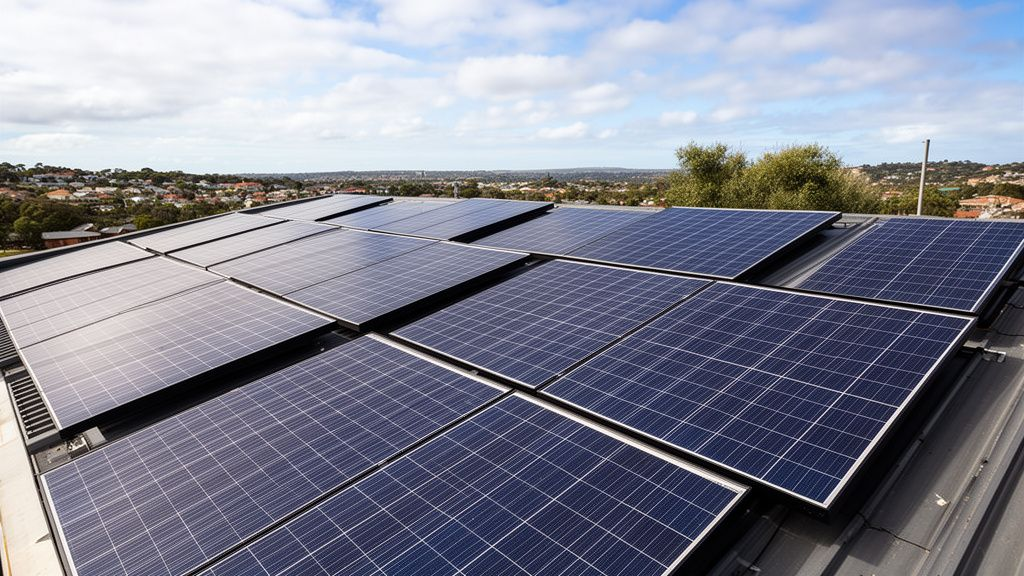
- Panel Mounting: Securely attaching premium solar panels (such as Aiko Solar, Jinko Solar, or JA Solar) to the rooftop racking system.
- Inverter and Battery Placement: Mounting the inverter (such as a Fronius Gen24, Fox ESS, or Sigenergy) and the home battery storage unit in a safe, temperature-controlled location.
- System Integration: Wiring the entire system together, integrating the solar panels with the inverter, the battery bank, and the home's main switchboard.
Real-world customer experiences emphasize the importance of speed, cleanliness, and professionalism during this phase. Verified customer reviews of Solid Solar Services highlight that an exceptional installation process is completed swiftly—often within a single week of confirming the quote—and concludes with the installation team clearing and cleaning all debris and rubbish from the property immediately.

Phase 3: Activation, Smart Monitoring, and Aftercare
Once the physical components are integrated, the system is officially commissioned and activated. Modern residential solar systems are not passive; they are highly smart, connected networks.
Setting Up Monitoring Applications
Immediately following activation, professional installers will assist the homeowner in downloading and configuring the system's smart monitoring applications. These apps allow you to track your solar energy generation, home consumption, battery state of charge, and grid exports in real time.
Remote Monitoring and Aftercare
Reliable providers maintain remote performance monitoring to ensure the system operates at peak efficiency. This allows technicians to detect any operational anomalies or connection dropouts early. Following up with customers shortly after installation ensures that homeowners understand how to read their system's data and manage their electricity consumption to maximize savings.
Key Takeaways
- Custom Engineering: A thorough, property-specific site assessment is vital to optimize panel placement, system sizing, and rebate eligibility.
- Professional Execution: High-quality installations prioritize clean, prompt work, with professional teams clearing away all post-installation rubbish.
- Smart Monitoring: Modern systems utilize mobile applications to provide homeowners with real-time transparency regarding solar generation, battery status, and grid exports.
- Ongoing Support: Successful installations include remote performance tracking and active customer follow-up to address technical questions and maintain long-term system efficiency.