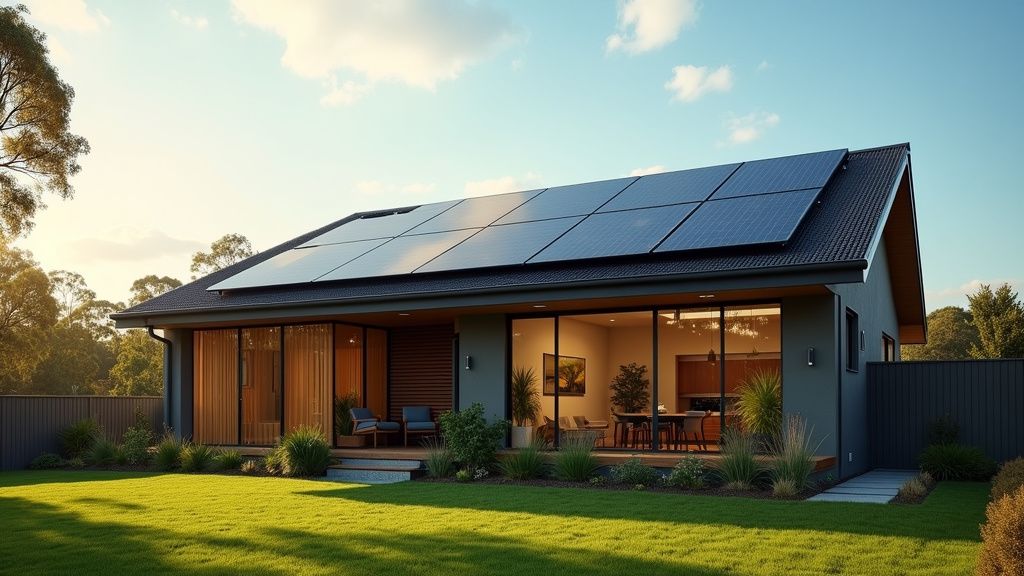
Solar in Melbourne: The One Mistake Costing Victorians Thousands
Melbourne, a city renowned for its changeable weather, is increasingly embracing solar power. Victorians are becoming more aware of the benefits of renewable energy, both for the environment and their wallets. However, one common oversight is preventing many households from maximising their solar investment and potentially costing them thousands of dollars over the system's lifespan. What is this costly mistake? Failing to properly size your solar system to your actual energy needs.
The Siren Song of Big Solar
It's tempting to think that bigger is always better when it comes to solar panels. After all, more panels mean more electricity generation, right? While technically true, installing a significantly oversized system can lead to a range of financial downsides that outweigh the benefits. The Victorian government offers incentives to install solar, but you need to ensure you are still making a worthwhile and informed investment.
Understanding Your Energy Usage
Before diving into the technical aspects of solar system sizing, it's crucial to understand your household's energy consumption patterns. Take a close look at your past electricity bills. Most energy providers offer online portals where you can access detailed usage data, breaking down your consumption by month, day, and even hour.
Ask yourself these questions:
- What is your average daily/monthly electricity consumption? This will give you a baseline for your energy needs.
- When do you use the most electricity? Do you have high consumption during the day (when solar production is at its peak) or in the evenings?
- Are there any upcoming changes that will affect your energy usage? Are you planning to add an electric vehicle, install a pool, or have additional family members moving into your home?
Answering these questions will provide invaluable insights into your energy profile, enabling you to make informed decisions about your solar system size.
The Pitfalls of Oversizing
Here's why installing an oversized solar system in Melbourne can be a costly mistake:


- Reduced Feed-in Tariffs: Excess electricity generated by your solar system is fed back into the grid, and you receive a credit on your bill, known as a feed-in tariff. However, feed-in tariffs are typically significantly lower than the retail price of electricity. If you're generating far more electricity than you consume, you'll be selling a large portion of your solar energy at a lower rate, diminishing your overall savings.
- System Costs: Oversized systems have larger upfront costs, of course. While government rebates are availabile, you're still paying more for equipment and installation than you would for a correctly sized system. A larger system also equates to longer payback period, negating the benefits of the energy you're "saving".
- Grid Limitations: Depending on your location and the grid infrastructure in your area, there may be limitations on the amount of solar power you can feed back into the grid. In some cases, you may even face curtailment, where your excess solar production is intentionally limited to avoid overloading the grid.
- Degradation: Solar panels degrade slowly over time, producing less energy each year. By having a system that's too large you're not optimising its performance.
- Wasted Investment: Essentially, you're paying for capacity you're not using, which translates to a lower return on your investment.
The Sweet Spot: Right-Sizing Your System
The key to maximising your solar investment is to right-size your system to match your energy needs. This involves working with a qualified solar installer who can assess your energy usage, consider your future needs, and recommend a system that optimizes self-consumption and minimizes excess generation.
A well-sized system should aim to cover a significant portion of your daytime electricity consumption. If you consistently use a lot of power during the day, a larger system might be appropriate. However, if most of your energy usage occurs in the evenings, you might consider a smaller solar system combined with a battery storage solution to store excess solar energy for later use.
Don't Fall for Pressure Tactics
Unfortunately, some less reputable solar installers may push oversized systems on unsuspecting homeowners, often with misleading claims about maximizing savings. Be wary of installers who don't thoroughly assess your energy needs or who use high-pressure sales tactics.
Getting It Right: Key Takeaways
- Understand your energy usage: Analyze your past electricity bills to determine your average consumption and peak usage times.
- Consult with multiple installers: Get quotes from several reputable solar installers and compare their recommendations.
- Focus on self-consumption: Aim to size your system to cover a significant portion of your daytime electricity usage.
- Consider battery storage: If you have high evening energy consumption, a battery storage system can help you store excess solar energy for later use.
By avoiding the trap of oversized solar systems and carefully tailoring your system to your energy needs, you can unlock the full potential of solar power and save thousands of dollars in the long run. Embrace the Melbourne sunshine and make a smart solar investment!


