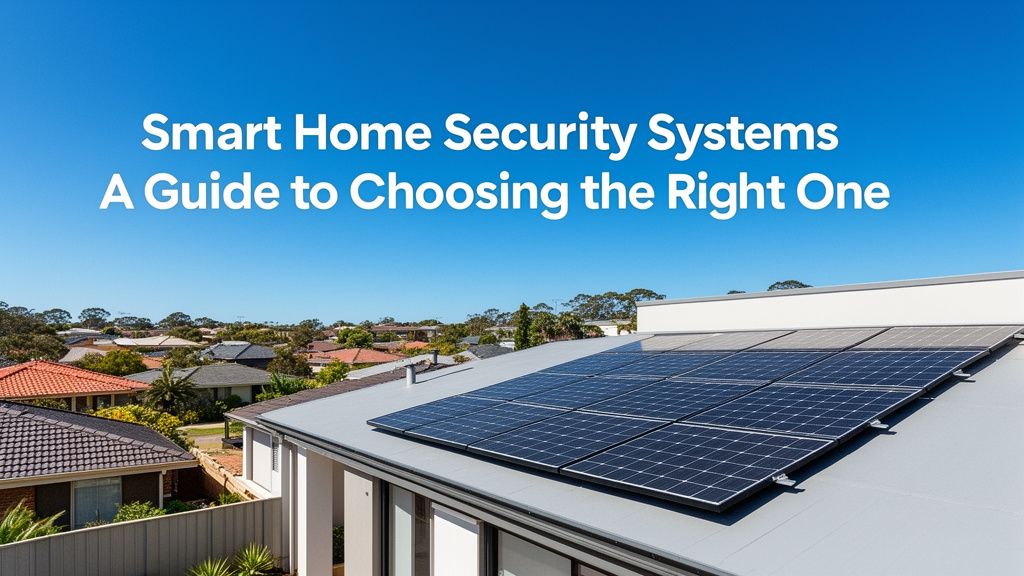
In our beautiful, sun-drenched land, an increasing number of Australian homes are embracing the future with smart technology. From automated lighting to solar energy systems that power our lives, convenience and efficiency are at our fingertips. But what about security? As our homes become smarter, so too should our defences. A smart home security system offers unparalleled peace of mind, property protection, and seamless integration into your modern Australian lifestyle.
What is a Smart Home Security System?
Forget the clunky, complicated security systems of old. A smart home security system is a network of connected devices that allows you to monitor and control your home's safety from virtually anywhere. These systems typically include cameras, motion sensors, door/window sensors, and smart locks, all controlled via a central hub and an intuitive smartphone app. Unlike traditional systems, smart security offers remote access, customisable alerts, and often integrates with other smart home devices, creating a truly connected and secure environment.
Why Smart Security for Your Australian Home?
For Aussies, smart security offers several compelling advantages:
- Peace of Mind: Whether you're at work, on holiday up the coast, or simply tucked away in bed, you can rest easy knowing your home is under constant watch. Deter potential intruders and receive instant alerts if anything is amiss.
- Remote Access & Control: Monitor live camera feeds, arm or disarm your system, lock doors, and check sensor status – all from your smartphone, no matter where you are. This is incredibly handy for letting in tradespeople or checking on kids arriving home from school.
- Integration Potential: Many smart security systems play nicely with popular smart home platforms like Google Home, Apple HomeKit, and Amazon Alexa. For solar homes, this can extend to integration with energy monitoring apps, offering a holistic view of your home's operations.
- Scalability: Start with a basic package and expand your system over time as your needs or budget allow. Add more cameras, sensors, or smart locks whenever you need them.
- Potential Insurance Discounts: Some Australian insurance providers offer discounts on home and contents policies for homes equipped with robust smart security systems. It’s always worth checking with your insurer.
Key Components to Consider
When building or choosing your smart security system, consider these essential elements:
- Cameras: Indoor and outdoor cameras are crucial. Look for high-resolution (1080p or 4K), wide-angle lenses, night vision, and motion detection with intelligent alerts (e.g., distinguishing people from pets). For an excellent example of a robust 4K solar-powered option, consider the Reolink 4K solar camera. Decide between cloud storage (subscription often required) or local storage (SD card/NVR).
- Sensors: Door and window sensors trigger alerts when opened. Motion sensors detect movement. Glass break sensors add another layer of protection. Some systems also integrate smoke, carbon monoxide, or flood sensors for comprehensive safety.
- Alarms/Sirens: A loud siren, both internal and external, is vital for deterring intruders and alerting neighbours.
- Smart Locks: Keyless entry via keypads, fingerprints, or smartphone apps offers convenience and enhanced security. You can grant temporary access codes and monitor who enters and exits your home.
- Control Hub/Panel: This is the brain of your system, connecting all devices and communicating with your app. Ensure it has a reliable connection and battery backup.
- Monitoring: You can choose self-monitoring (you receive alerts and respond) or professional monitoring (a security company responds to alerts, often involving a monthly fee, typically ranging from $30 to $70+ AUD).
Choosing the Right System: Factors to Ponder
With so many options available, here’s what to keep in mind:

- Budget: Entry-level DIY kits start from around $200-$500 AUD, while comprehensive professionally installed systems can range from $1,000 to several thousand dollars, plus ongoing monitoring fees.
- DIY vs. Professional Installation: DIY systems are cost-effective and easy to install for tech-savvy individuals. Professional installation ensures optimal setup but comes with an added cost (typically $200-$600 AUD for basic setup).
- Connectivity: Most systems use Wi-Fi, but some utilise Z-Wave or Zigbee for broader device compatibility and less Wi-Fi congestion. Cellular backup is essential for maintaining security during internet outages.
- Integration with Existing Smart Home: If you already have smart devices, ensure your chosen security system is compatible with your preferred ecosystem (e.g., Google Assistant, Alexa, HomeKit) for seamless control.
- Scalability & Flexibility: Can you easily add more cameras, sensors, or other smart devices later? Does the system allow for expansion?
- Privacy & Data Security: Prioritise systems with strong encryption and clear privacy policies. Consider options with local storage to reduce reliance on cloud services.
- Reliability & Support: Research brand reputation, read reviews, and check warranty information. Reliable customer support is invaluable if you encounter issues.
Solar & Smart Security: A Perfect Match
For Australian homes powered by solar, smart security systems offer unique benefits and synergies:
- Enhanced Resilience: While many security systems include battery backup, integrating with your home's overall solar battery storage can significantly extend operational time during prolonged power outages – a critical factor during severe weather events.
- Solar-Powered Components: Explore solar-powered cameras and sensors, especially for outdoor areas or detached sheds. These reduce wiring needs, simplify installation, and ensure continuous operation without draining your main power.
- Energy Monitoring Integration: Some advanced systems can link with your solar inverter or home energy management system, providing insights into your power consumption and generation, ensuring your security system isn't a significant drain.
Australian Specifics
When choosing a system for your Aussie home, consider our unique environment:
- Bushfire & Storm Resilience: Look for robust outdoor cameras and sensors with high IP ratings (e.g., IP65 or IP66) for dust and water resistance. Battery backup and cellular connectivity are non-negotiable during extreme weather.
- Heat & UV Exposure: Outdoor equipment must withstand harsh Australian sun. Ensure products are designed for extreme temperatures and UV exposure to prevent degradation.
- Wildlife: Calibrate motion sensors carefully to avoid false alarms from local fauna like possums, birds, or even the family dog wandering into the yard.
Conclusion
A smart home security system is an investment in your family's safety and your property's protection. By considering your budget, connectivity needs, desired components, and crucial Australian specific factors like solar integration and environmental resilience, you can confidently choose the right system. Embrace the future of home security and enjoy the ultimate peace of mind under the Australian sun.
Read More
For a comprehensive overview, check out our master guide: Read the Full Guide Here. As an Amazon Associate I earn from qualifying purchases.