Smart Grid Technology: Modernizing Queensland's Electricity Network
Queenslanders know all too well the inconvenience – and sometimes downright danger – of power outages. From spoiled food and stifling heat to accessibility issues for vulnerable residents, a reliable electricity supply is essential in the Sunshine State. With increasingly severe weather events on the horizon, the need to modernize our electricity network is more urgent than ever. But what exactly does "modernizing" look like? The answer lies in smart grid technology.
If you want to know more check out this Complete Guide.
What is a Smart Grid?
Unlike the traditional electricity grid, a one-way system where power flows from generators to consumers, a smart grid is a digitally enabled network that utilizes two-way communication and advanced technologies. Think of it as upgrading from a dial-up modem to lightning-fast fibre optic broadband. It integrates renewable energy sources more effectively, improves grid reliability, and empowers consumers to manage their energy usage.
Key Components of a Smart Grid:
- Advanced Metering Infrastructure (AMI): These "smart meters" provide real-time data on energy consumption, allowing utilities to better understand demand and detect outages quickly. For consumers, AMIs offer greater transparency into their energy usage, potentially leading to reduced bills.
- Sensors and Monitoring Devices: Distributed throughout the grid, these devices continuously monitor grid conditions, identifying potential problems before they escalate into widespread outages. This proactive approach is crucial for preventing disruptions, especially during extreme weather.
- Communication Networks: A robust communication infrastructure is the backbone of a smart grid, enabling seamless data exchange between all components. This allows for real-time control and optimization of the grid.
- Automation Systems: Automated switches and controls can quickly isolate damaged sections of the grid and reroute power, minimizing the impact of outages. This is a huge improvement over manual processes that can take hours to complete.
- Energy Storage Systems: Batteries and other energy storage technologies can store excess renewable energy, providing a buffer against fluctuations in supply and demand. This is particularly important for integrating solar and wind power, which are inherently variable.
Benefits of a Smart Grid for Queensland:


- Increased Reliability: Smart grid technologies can significantly reduce the frequency and duration of power outages. By quickly detecting and isolating faults, and by providing alternative power pathways, the grid becomes much more resilient to disruptions. This is especially important during storm season, when tens of thousands of Queensland homes can be left in the dark.
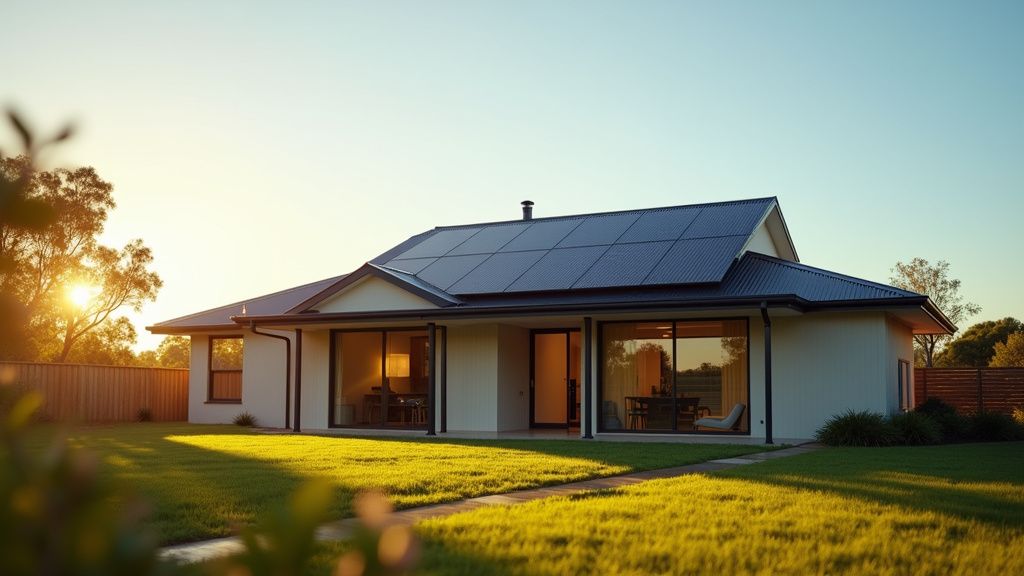
- Improved Integration of Renewable Energy: Queensland is blessed with abundant sunshine, making solar power a natural fit for our energy needs. Smart grids facilitate the integration of distributed renewable energy sources, such as rooftop solar panels, into the grid. This helps to reduce our reliance on fossil fuels and lower carbon emissions.
- Enhanced Energy Efficiency: By providing real-time data on energy consumption, smart grids empower consumers to make informed decisions about their energy usage. This can lead to reduced energy waste and lower electricity bills.
- Greater Grid Flexibility: Smart grids can adapt to changing energy needs, whether it's a surge in demand during a heatwave or a sudden drop in supply due to cloud cover. This flexibility is crucial for maintaining grid stability and ensuring a reliable power supply.
- Microgrids for Remote Communities: One promising application of smart grid technology is the development of microgrids – self-contained energy systems that can operate independently of the main grid. These are particularly valuable for remote communities that are vulnerable to outages and face high energy costs. Energy Queensland is currently trialling microgrids in some remote locations, with the aim of providing more reliable and affordable power. While each microgrid carries a significant upfront cost, the long-term benefits for these communities can be substantial.
Challenges and Considerations:
While the benefits of smart grids are clear, there are also challenges to overcome. The initial investment in upgrading the grid can be significant, and careful planning is needed to ensure that the benefits outweigh the costs. Cybersecurity is also a major concern, as smart grids are vulnerable to cyberattacks that could disrupt the power supply. It’s crucial that robust security measures are implemented to protect the grid from these threats.
The Future of Queensland's Electricity Network:
Modernizing Queensland's electricity network with smart grid technology is a crucial step towards a more reliable, sustainable, and affordable energy future. While the transition may take time and require careful planning, the long-term benefits for Queenslanders are undeniable. By embracing smart grid technologies, we can build a more resilient and efficient electricity system that is ready to meet the challenges of the 21st century.