TL;DR: To secure federal rebates and ensure maximum electrical safety, Australian solar installations must utilize Clean Energy Council (CEC) approved PV modules in accordance with Clean Energy Regulator and REC Registry guidelines, while sizing systems correctly to match household energy goals.
The Clean Energy Regulator and CEC Panel Approval
When planning a solar installation in Australia, selecting high-quality solar panels is not merely a matter of finding the cheapest price or the highest advertised wattage. The Australian solar industry is governed by strict quality, performance, and safety regulations designed to protect consumers and the integrity of the electricity grid. At the center of these regulations is the Clean Energy Regulator (CER) and the Clean Energy Council (CEC).
Under the federal government’s Renewable Energy Target (RET) scheme, only solar panel models that have been formally tested and added to the official list of CEC-approved photovoltaic (PV) modules are eligible to receive financial incentives. These incentives are paid out in the form of Small-scale Technology Certificates (STCs), which significantly lower the upfront purchase cost of a solar system. To process these rebates, installers and developers must register the system through the REC Registry, adhering strictly to the bulk upload guidelines. Using unapproved solar modules is not only illegal under electrical safety codes but also completely disqualifies the property owner from receiving any government financial rebates.
The Technical Importance of CEC Approval
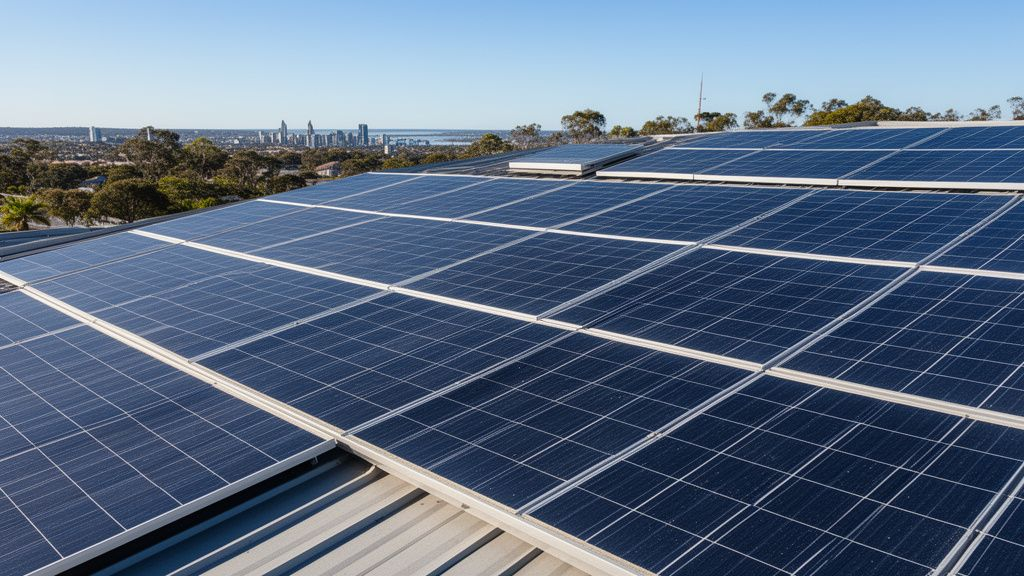
CEC-approved PV modules undergo rigorous, independent laboratory testing to verify that they can withstand Australia's harsh environmental conditions, including high UV radiation, extreme summer heat, and severe wind loads. The approval process ensures that:
- Electrical Safety: Modules are manufactured to prevent severe electrical faults, moisture ingress, and fire risks.
- Performance Verification: The solar panels must deliver the actual electrical output claimed by the manufacturer, protecting consumers from deceptive performance specifications.
- Warranty Backing: Approved manufacturers must demonstrate that they have local support structures in place to honor product and performance warranties.
By mandating that only CEC-approved PV modules are used, the Clean Energy Regulator ensures that the public money distributed via the RET scheme is only invested in highly reliable, safe, and efficient clean energy infrastructure.
Determining System Sizing and Configuration
Once you commit to using CEC-approved modules, the next critical step is sizing the overall system configuration. A well-designed system balances the physical roof space available with the household’s budget and daily electrical demand. System designers typically recommend three primary sizing brackets to fit different domestic goals:

6.6 kW Systems
This configuration represents the standard starting size for smaller homes or low-to-moderate energy users. It offers a cost-effective entry point, typically starting from $4,000, and is highly efficient at offsetting basic daytime baseloads.
10 kW Systems
A popular family choice, this system size is designed for growing households with higher overall energy consumption. Starting from $6,500, it is built with future storage integration in mind, generating a healthy amount of excess electricity during the day to feed a home battery.
13 kW Systems
Designed for large properties with heavy energy footprints, this configuration starts from $8,500. It is ideal for homeowners who want to run high-draw appliances like ducted air conditioning or plan to install dedicated electric vehicle (EV) charging stations.
The Inverter and the Solar Conversion Process
While the CEC-approved PV modules capture solar radiation, they cannot power household appliances on their own. The physical solar panels generate direct current (DC) electricity. This DC electricity must travel through a high-quality solar inverter, which converts the power into alternating current (AC) electricity—the standard format required by the home and the wider grid.
During peak daylight hours, the converted AC power is routed to the home's switchboard. The home uses what it needs first. If there is a shortfall, the system automatically draws supplementary power from the grid. If there is a surplus, the extra power can be safely exported back to the grid or directed into a local home battery, ensuring that every watt of harvested energy is put to its most valuable use.
Key Takeaways
- Regulatory Compliance: To qualify for federal RET rebates, all installations must use officially approved Clean Energy Council (CEC) PV modules.
- Financial Integrity: Installers must follow the REC Registry bulk upload guidelines to properly register approved modules and claim Small-scale Technology Certificates (STCs).
- Quality Assurance: CEC approval guarantees that panels have passed strict independent safety, durability, and performance testing for harsh Australian conditions.
- Sizing to Fit Need: Consumers can select from 6.6 kW (from $4,000), 10 kW (from $6,500), or 13 kW (from $8,500) configurations depending on their home's long-term energy roadmap.
- System Integration: High-quality panels must work in tandem with a certified inverter to successfully convert harvested DC power into usable domestic AC electricity.