TL;DR: Steven, a homeowner in Perth, cut his quarterly electricity bill by over 80% after installing a 6.6kW solar system. His experience shows how strategic solar investment, smart appliance use, and understanding electricity tariffs transform household energy expenses.
How Did Steven Slash His Electricity Bills So Drastically?
Steven, like many Australian homeowners, faced rising electricity costs that consistently pushed his quarterly bills beyond $700. Living in a four-bedroom house in Perth with a family of four, his household used a significant amount of power, especially with air conditioning during the long West Australian summers. After researching options, Steven invested in a 6.6kW solar system, a common size for Australian homes, which became the cornerstone of his strategy to reclaim control over his energy expenses. This single decision, combined with a few smart adjustments, dramatically reduced his power bill to under $120 per quarter, mostly covering fixed supply charges.
Steven's Pre-Solar Predicament
Before solar, Steven's electricity bills were a source of frustration. His family's reliance on appliances like the washing machine, dishwasher, and air conditioner meant they were constantly drawing power from the grid, especially during peak demand times. The household's average daily consumption hovered around 25-30 kilowatt-hours (kWh). With Perth electricity rates often exceeding 30 cents per kWh for usage charges, these consumption figures translated directly into large quarterly bills. Steven realised that without a significant change, his energy costs would only continue to climb.
The Solar Solution: A 6.6kW System in Perth
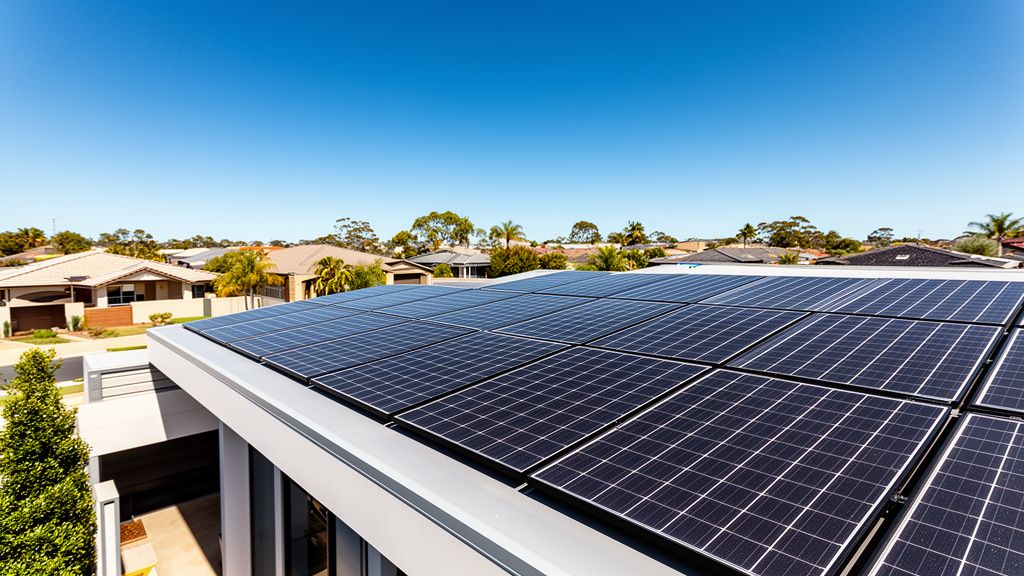
Steven opted for a 6.6kW solar system with 22 panels, which cost him $5,800 after the federal STC rebate. This system size produces approximately 25-30 kWh per day on average in Perth's abundant sunshine, closely matching his family's typical daily usage. Within weeks of installation, Steven noticed a profound difference. His subsequent bill showed a quarterly charge of just $118, a saving of over $600 compared to his previous $730 bill. This dramatic reduction demonstrated the immediate impact of generating his own power, especially when that power directly offset expensive grid electricity.
What Made Steven's Solar Investment Pay Off So Quickly?
Steven's quick return on investment stemmed from several factors, not just the solar panels themselves. Understanding government incentives, optimising the system's size to his family's consumption, and strategically using the generated electricity all played a part. The initial cost reduction from Small-scale Technology Certificates (STCs) made the system affordable, while focusing on self-consumption ensured most of the solar power directly reduced his import from the grid. This combination maximised the financial benefits from day one.
Understanding STCs and Government Rebates
The federal Small-scale Technology Certificates (STC) program significantly reduced Steven's upfront cost. For a 6.6kW system, around 99 STCs are typically generated (depending on location and deeming period). At a market value of $35-$40 per STC, this provided a discount of approximately $3,500-$4,000, bringing the total outlay down to $5,800 from an initial price of around $9,500. This substantial rebate made solar accessible, effectively cutting the investment period for Steven. Without this federal support, the capital expenditure would have been much higher, extending the time until the system paid for itself through savings.
Maximising Self-Consumption
Steven quickly learned that using solar power directly in his home was far more valuable than exporting it to the grid. Most Australian retailers offer feed-in tariffs (FiTs) between 5-10 cents per kWh. However, the cost of buying electricity from the grid often sits above 30 cents per kWh. Steven prioritised running high-energy appliances like the dishwasher, washing machine, and even the pool pump during daylight hours when his solar panels were generating. This simple shift ensured he was "self-consuming" as much of his free solar power as possible, avoiding the need to buy expensive electricity from his retailer and drastically reducing his import charges.
Feed-in Tariffs: A Modest Bonus
While self-consumption offered the biggest savings, Steven's system also generated excess electricity, particularly on sunny weekends when the family was out. This surplus power was exported back to the grid, earning him a feed-in tariff from his electricity retailer. In Perth, Steven received 7 cents per kWh for exported power. While not as lucrative as avoiding a 30-cent import charge, these credits still added up, providing a small but consistent deduction from his overall bill. He understood that FiTs are a bonus, but the main goal remained to use as much of his own solar power as possible first.

Beyond Solar: How Did Steven Optimise His Daily Energy Use?
Installing solar panels was a major step, but Steven didn't stop there. He adopted several smart habits and made small adjustments to his daily routine that further amplified his savings. These changes focused on understanding when and how his household used electricity, allowing him to align their consumption with solar generation and avoid expensive grid power. His approach shows that even with solar, mindful energy management remains a powerful tool for cutting costs.
Shifting High-Load Appliances to Daytime
One of Steven's most effective strategies involved rescheduling when his family used their highest-drawing appliances. Before solar, the dishwasher and washing machine often ran in the evenings. After solar, these tasks shifted to the middle of the day. This meant these appliances were powered directly by his solar panels, completely bypassing the grid and its associated charges. Steven also used smart timers for his pool pump, ensuring it ran for several hours during the peak solar generation period, further maximising his free electricity use and minimising grid imports.
Monitoring and Adjusting Energy Habits
Steven invested in an energy monitoring app, which came with his inverter, allowing him to track his household's real-time energy production and consumption. This visibility gave him a clear picture of when his family was using power and how much solar they were generating. He used this data to make informed decisions, such as delaying turning on the air conditioner until the solar panels reached their peak output or encouraging family members to charge devices during the day. This ongoing awareness helped him fine-tune their habits and keep their grid reliance minimal.
Key Takeaways
- Install a solar system sized to match or slightly exceed your typical daily energy consumption for maximum savings.
- Maximise your self-consumption by running high-energy appliances during daylight hours when your solar panels are generating power.
- Utilise federal STC rebates to significantly reduce the upfront cost of your solar system.
- Monitor your energy use to understand your patterns and make informed adjustments to minimise grid reliance.
Read More
For a comprehensive overview, check out our master guide: Read the Full Guide Here.