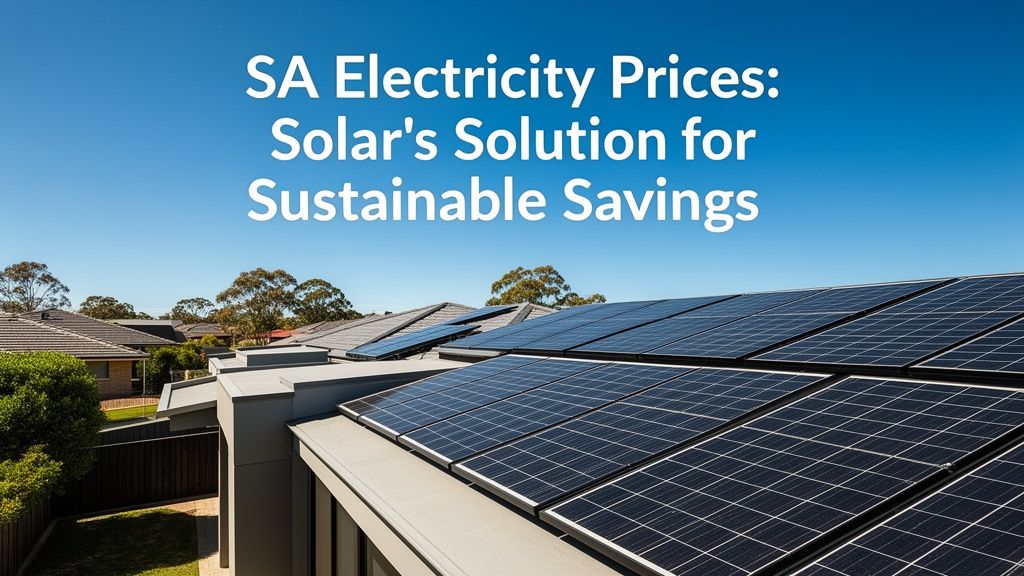
TL;DR: South Australia faces some of the highest electricity prices in the nation due to grid infrastructure, gas reliance, and wholesale market volatility. Installing solar power provides a sustainable solution by reducing reliance on grid electricity, lowering household bills through self-consumption and feed-in tariffs, and contributing to a more resilient, clean energy future for the state.
Why Are South Australian Electricity Prices So High?
South Australia consistently experiences some of the highest electricity prices in Australia, primarily due to a combination of factors including its isolated grid, reliance on gas-fired generation, and wholesale market dynamics. This high cost impacts households and businesses significantly, making energy affordability a major concern across the state. The long distances over which electricity must be transmitted and the substantial investment required for grid upgrades also add to the retail price consumers pay. When renewable generation is low, and demand is high, the state's reliance on expensive gas peaker plants drives up wholesale prices, which are then passed on to consumers.
The Role of Infrastructure and Gas Generation
A significant contributor to SA's electricity costs is the state's transmission and distribution network, which requires ongoing maintenance and upgrades across a vast geographical area. These network charges account for a substantial portion of your bill. Furthermore, gas-fired power stations often set the marginal price in the National Electricity Market (NEM) during peak demand periods. As international gas prices fluctuate and domestic supply tightens, the cost of generating electricity from gas in SA directly increases, impacting the overall wholesale price and subsequently, your retail tariff. This reliance creates a vulnerability to global energy markets and infrastructure costs.
Impact of Wholesale Market Volatility
South Australia's energy market can be particularly susceptible to volatility. With a high penetration of renewables like wind and solar, there are times when generation is abundant and prices are low, even negative. However, during periods of low wind or solar output, coupled with high demand (e.g., hot summer afternoons), the state often relies on fast-start gas generators. These generators can be expensive to run, especially when gas prices are high, leading to significant price spikes in the wholesale market. Retailers then factor this volatility into their pricing models, often resulting in higher standing charges and usage rates for consumers to buffer against these unpredictable market events.
How Does Solar Power Directly Reduce Your Household's Energy Bills?
Solar power directly reduces your household's energy bills by allowing you to generate your own electricity, significantly decreasing the amount you need to purchase from the grid, especially during peak daylight hours. When your solar panels are actively producing power, your home uses this free, clean energy first, rather than drawing expensive electricity from your retailer. This self-consumption is the primary mechanism for bill reduction and provides a consistent hedge against rising grid electricity prices, offering financial certainty in an otherwise volatile market.
Maximising Self-Consumption for Savings
The most effective way to save money with solar is by maximising your self-consumption – using the electricity your panels generate as it's produced. For example, if you run your dishwasher, washing machine, or air conditioning during the day when the sun is shining, you're directly powering these appliances with free solar energy. This reduces your consumption of grid electricity, which in South Australia can cost upwards of $0.30 - $0.40 per kilowatt-hour (kWh). A well-sized 6.6kW solar system can generate around 25-30 kWh per day on average, substantially offsetting typical household usage. Many South Australian households find they can slash their bills by 50-70% by strategically shifting their energy usage.
Leveraging Feed-in Tariffs and Battery Storage
When your solar system produces more electricity than your home consumes, the excess is exported back to the grid, and you receive a feed-in tariff (FiT) from your energy retailer. While SA's FiTs typically range from $0.05 - $0.15/kWh, they still provide a valuable credit on your bill. For even greater savings and energy independence, integrating a home battery storage system allows you to store excess solar energy generated during the day and use it during the evening peak, when grid electricity is most expensive. This virtually eliminates your reliance on the grid during peak times and further maximises the value of your solar investment, especially with SA's high evening tariffs.
How Does Solar Contribute to SA's Energy Independence and Sustainability?
Solar power significantly contributes to South Australia's energy independence and sustainability by diversifying the state's energy mix, reducing reliance on fossil fuels, and bolstering grid resilience against external market shocks. By harnessing the abundant sunshine, SA can generate a substantial portion of its own electricity locally and cleanly, lessening its vulnerability to volatile international gas prices and the logistical challenges of importing fuels. This shift towards renewable generation strengthens the state's position as a leader in clean energy and reduces its carbon footprint.
Reducing Reliance on Fossil Fuels and Imports
A key aspect of solar's contribution is its role in displacing electricity generated from fossil fuels, particularly gas. Every kilowatt-hour produced by solar panels means one less kWh needs to be generated by burning gas, leading to a direct reduction in greenhouse gas emissions. This transition is crucial for SA to meet its ambitious renewable energy targets and contributes to global efforts in combating climate change. Furthermore, by generating power domestically, SA becomes less reliant on energy imports, creating a more secure and self-sufficient energy supply chain. This local generation keeps energy spending within the state, supporting local jobs and the economy.
Bolstering Grid Resilience and Stability
High penetration of solar power, particularly distributed rooftop solar, enhances South Australia's grid resilience by decentralising electricity generation. Instead of relying on a few large, centralised power stations, thousands of homes and businesses contribute to the overall energy supply. This distributed model makes the grid less susceptible to single points of failure and provides a more robust and flexible system. Advanced solar inverters and battery systems can also offer grid support services, helping to stabilise voltage and frequency, further contributing to a more stable and reliable electricity network for all South Australians. This helps prevent blackouts and ensures a consistent power supply even during periods of high demand or grid stress.
Key Takeaways
- South Australia's high electricity prices are driven by grid infrastructure, gas reliance, and wholesale market volatility.
- Installing a solar power system significantly reduces your electricity bills by allowing self-consumption of free solar energy.
- Maximising daytime energy use and considering battery storage further enhances solar savings and energy independence.
- Solar power contributes to SA's energy independence by reducing reliance on fossil fuels and imports.
- Distributed solar generation strengthens grid resilience and stability, making the overall energy system more robust.
Read More
For a comprehensive overview, check out our master guide: Read the Full Guide Here.