Queensland Electricity Showdown: Origin Energy vs. Simply Energy Pricing & Discounts
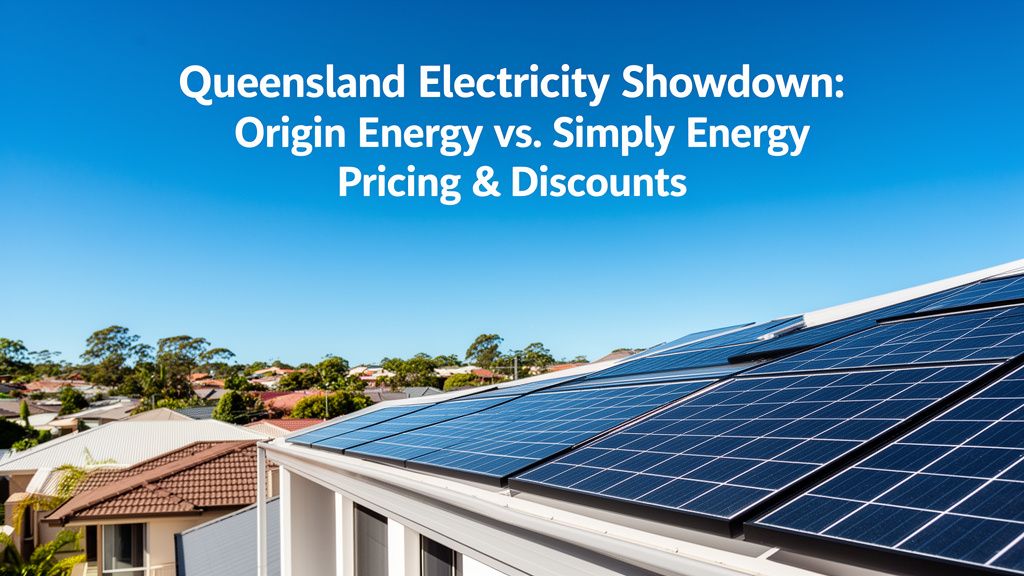
Welcome to the sun-drenched state of Queensland, where rooftop solar panels are as common a sight as a backyard barbecue. With electricity bills a constant concern for households across the state, and a keen eye on maximising the benefits of their solar investment, many Queenslanders are looking for the best deal. Today, we’re diving into a showdown between two major players in the energy market: Origin Energy and Simply Energy, comparing their pricing and discounts specifically for solar homes.
The stakes are high. Choosing the right energy retailer can mean the difference of hundreds of dollars a year, especially when you factor in your solar feed-in tariff (FiT) and your household’s consumption patterns. Let's unravel the complexities and help you make an informed decision.
Why Your Solar Matters in This Showdown
Queensland boasts some of the highest solar penetration in the country. If you’re a solar owner, your electricity bill isn't just about what you consume; it's also about what you export back to the grid. A high feed-in tariff can significantly offset your supply and usage charges, turning your rooftop investment into a powerful bill-reducing asset. This makes the choice of retailer even more critical, as FiT rates can vary considerably.
Understanding Your Electricity Bill – The Key Components
Before we pit Origin against Simply, let's briefly refresh on what makes up your bill:
Supply Charge: A daily fixed fee, regardless of how much electricity you use or export. Usage Charges: What you pay for the electricity you consume. This is often tiered (peak, off-peak, shoulder) depending on the time of day. Feed-in Tariff (FiT): The credit you receive for every kilowatt-hour (kWh) of excess solar electricity your system exports to the grid. Discounts: These can apply to usage charges, the entire bill, or be conditional (e.g., pay on time).
Origin Energy: The Established Giant in Queensland
Origin Energy is one of Australia’s largest energy retailers, with a significant presence and a long history in Queensland. They offer a diverse range of plans, often catering to various household needs and consumption styles.
Pricing Structure: Origin typically presents plans with a clear breakdown of supply charges and usage rates, which can be flat or time-of-use. For solar customers, their standard FiT is generally competitive, and they often have specific solar-friendly plans that might bundle higher FiTs with other benefits or provide access to virtual power plant (VPP) programs. These VPP programs allow you to potentially earn more by letting Origin utilise your battery (if you have one) to support the grid during peak times.
Discounts: Origin is known for offering pay-on-time discounts, often a percentage off your usage charges or the total bill. They also sometimes run limited-time promotional offers or bundles for new customers. The key with Origin is to read the terms carefully; their discounts are usually conditional.
Customer Service and Digital Tools: As a large provider, Origin has extensive customer service channels, and their app and online portal are generally robust, allowing for easy bill management and usage tracking.
Simply Energy: The Challenger with Aggressive Offers
Simply Energy has gained traction in the Queensland market by often positioning itself as a challenger, frequently offering eye-catching introductory deals and competitive FiT rates to attract new customers.
Pricing Structure: Simply Energy often competes strongly on price, especially with their initial offers. Their supply and usage charges can be very sharp, and they are known for sometimes offering higher headline FiT rates, particularly for new customers, to stand out in the crowded market. It's crucial, however, to compare these rates against their overall usage charges, as a very high FiT might sometimes be balanced by slightly higher consumption costs.
Discounts: Simply Energy’s discounts can be quite aggressive, often advertised as a significant percentage off the bill or specific usage components. Like Origin, these are typically conditional on paying on time, and some of their most attractive rates might be for a limited benefit period before reverting to standard rates. They frequently update their offers, so staying current with their promotions is vital.
Customer Service and Digital Tools: Simply Energy has been investing in its customer experience, though as a newer player compared to Origin, their digital offerings and service reputation might be perceived differently by some customers.
The Showdown: Head-to-Head for Solar Homes
When directly comparing Origin and Simply Energy for Queensland solar owners, several factors come to the forefront:
Feed-in Tariffs (FiTs): This is often the primary driver for solar households. Simply Energy might offer a higher initial FiT, particularly as a new customer incentive. Origin's FiTs are competitive, and they also offer solar-specific plans that can enhance overall value, especially if you have a battery. Always check the FiT term – is it for the life of the plan, or does it revert after a period?
Usage Rates: Don't get tunnel vision just on the FiT. A fantastic FiT can be negated by higher supply or usage charges, especially if your household has significant consumption outside of daylight hours. Compare peak, off-peak, and shoulder rates, as well as the daily supply charge.
Discount Structures: Both offer pay-on-time discounts. Origin’s might feel more consistently applied over time, while Simply Energy's can be very attractive upfront but require vigilant monitoring of terms and conditions. Look at the net cost after all discounts and FiTs are applied to your specific usage profile.
Plan Flexibility and Features: Origin often has more established solar-specific plans, including battery integration and VPP opportunities. Simply Energy's strength lies in competitive pricing, but always check if their plans offer the flexibility or advanced features you might need for a sophisticated solar setup.
Beyond the Price Tag: What Else to Consider
While pricing and discounts are paramount, remember these factors:
Contract Length and Exit Fees: Are you locked into a long-term contract? Are there penalties for switching early? Billing Clarity: Can you easily understand your bill and track your solar exports and consumption? Customer Service: How easy is it to get help when you need it? Check online reviews for recent experiences. Environmental Credentials: Does the retailer align with your values regarding renewable energy investments?
How to Make Your Decision
- Gather Your Data: Get a recent electricity bill. Note your average daily consumption and, crucially, your average daily solar export.
- Use Comparison Tools: Websites like EnergyMadeEasy.gov.au are free, independent, and government-run. Private comparison sites can also be useful but check their commission structures.
- Direct Quotes: Don't just rely on advertised rates. Call both Origin and Simply Energy directly, tell them you have solar, and ask for their best plan for your specific usage and export profile. Mention you are comparing them against each other.
- Calculate the Net Cost: Based on your usage, FiT, and all charges/discounts, calculate an estimated monthly or quarterly bill for each retailer. Don’t just compare FiTs in isolation.
- Read the Fine Print: Always, always read the Key Facts Sheet for any plan you consider. Understand the terms, conditions, and any potential changes to rates or discounts.
The Queensland electricity market, especially for solar owners, is dynamic. Both Origin Energy and Simply Energy offer compelling reasons to choose them. Origin brings reliability and established solar programs, while Simply Energy often tempts with aggressive introductory pricing. The best choice ultimately depends on your individual household’s solar generation, consumption habits, and how deeply you’re willing to dive into the terms and conditions. Do your homework, ask the right questions, and empower your Queensland solar home with the best possible electricity deal.
Read More
For a comprehensive overview, check out our master guide: Read the Full Guide Here.