Ditch the Grid, Not the Comfort: Portable Power Stations for Aussie Off-Grid Living
Thinking of escaping the city and embracing the freedom of off-grid living? Or perhaps you're just looking for a reliable backup power source for those inevitable blackouts? Portable power stations offer a versatile and increasingly popular solution for powering your life, wherever you are. They're essentially large, rechargeable batteries that can run everything from your fridge to your phone, offering a cleaner, quieter alternative to traditional generators.
But with so many options on the market, choosing the right Portable Power Station can feel overwhelming. This guide will break down what you need to consider when selecting a power station for your off-grid adventures or emergency preparedness in Australia. For a more in-depth head-to-head comparison, check out our Complete Guide.
What is a Portable Power Station?
Think of a Portable Power Station as a super-sized power bank, but with the versatility to power much more than just your phone. These units store electrical energy and feature a variety of outputs, including USB ports, 12V DC outlets (like a car cigarette lighter), and standard Australian 240V AC plugs. They're perfect for camping, caravanning, working remotely, or providing backup power during a blackout. Unlike noisy, fuel-guzzling generators, they operate silently and produce no exhaust fumes.
Sizing Up Your Needs: How Much Power Do You Need?
The key to choosing the right Portable Power Station is determining your power requirements. This involves calculating the wattage of all the devices you plan to run simultaneously and estimating how long you'll need to run them.
Here's a simple formula:
- Wattage of appliance x Usage time (in hours) = Watt-hours (Wh)
Add up the Watt-hours for all your appliances to determine the total capacity you need from your power station.
Important Considerations:
- Peak Power: Many appliances, like blenders or power tools, require a surge of power when they start up. Make sure your power station can handle this "peak" load, which is often higher than the appliance's continuous running wattage. Check the specifications carefully.
- Inverter Size: The inverter converts the DC power from the battery to AC power for standard household appliances. Ensure the inverter's wattage rating is sufficient for the appliances you intend to use.
- Battery Capacity: This is measured in Watt-hours (Wh) or Amp-hours (Ah). A higher capacity means more runtime.
- Battery Chemistry: Most portable power stations use lithium-ion batteries. Newer models often use advanced lithium chemistries offering greater longevity and safety.
Charging Options: Plugging In, or Tapping the Sun?

Most portable power stations can be charged from a standard AC wall outlet. However, for off-grid living, solar charging is a game-changer.
- AC Charging: This is the fastest way to charge, typically taking anywhere from 1 to 5 hours for a full charge, depending on the battery size and charger output.
- DC Charging (Car Charger): Ideal for topping up while on the road.
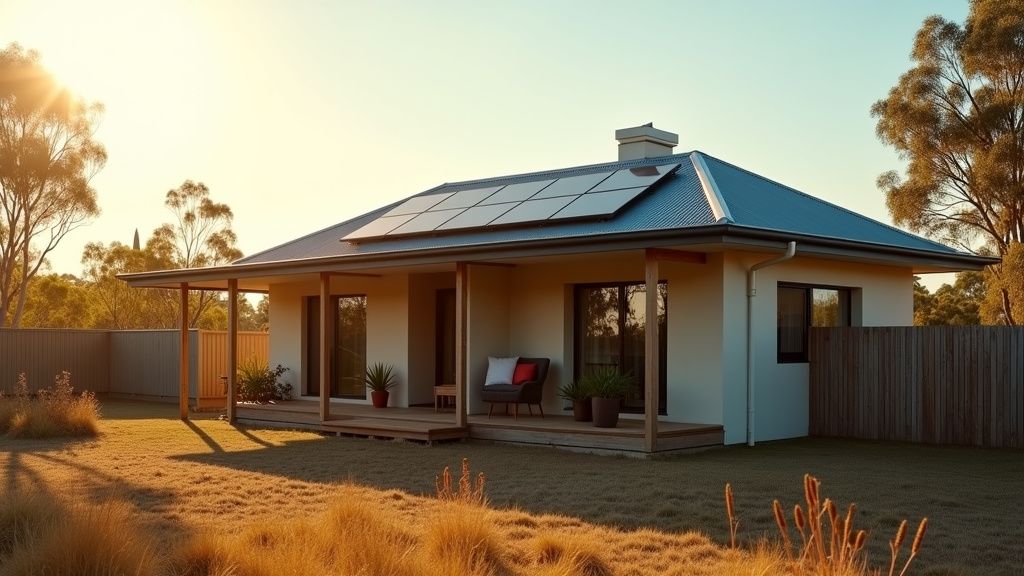
- Solar Charging: This allows you to recharge your power station using solar panels. The charging time depends on the size of your solar panel array and the amount of sunlight available. Consider purchasing a compatible solar panel kit for seamless integration.
Battery Life and Longevity: Getting the Most Bang for Your Buck
The lifespan of a Portable Power Station is measured by the number of charge cycles it can endure before its capacity degrades significantly. Older battery technologies may offer around 500 cycles, while newer lithium-ion batteries can provide 2,000 to 3,500 cycles or more.
To maximise battery life:
- Avoid completely draining the battery.
- Store the power station in a cool, dry place.
- Use and charge the unit regularly.
Warranty and Reliability: Peace of Mind for Your Investment
Check the warranty period offered by the manufacturer. A longer warranty generally indicates greater confidence in the product's reliability. Warranties can range from one to five years.
Pricing: How Much Should You Spend?
Portable power stations range in price from a few hundred dollars to several thousand. The price depends on the battery capacity, features, and brand. Generally, you get what you pay for – a more expensive unit will typically offer a larger battery, more features, and better build quality.
Disposal: Doing Your Bit for the Environment
Portable power stations contain lithium-ion batteries, which require proper disposal. While Australia has a battery recycling program, many power stations exceed the weight limit for drop-off. Contact the retailer for advice on proper disposal methods.
Making the Right Choice:
Investing in a portable power station can significantly enhance your off-grid experience or provide peace of mind during power outages. By carefully assessing your power needs, considering charging options, and researching battery life and warranty, you can choose a unit that perfectly suits your lifestyle and budget. Don't be afraid to shop around and read reviews to find the best value for your money. Happy powering!