SolarInsights: Decoding the "Solar Sharer" Free Power Program – What it Means for Aussies
The Australian energy landscape is evolving, and a new initiative is on the horizon that could significantly impact how we consume and pay for electricity. The "Solar Sharer Offer" (SSO), slated to roll out in 2026, promises a period of free electricity each day, but what are the policy and regulatory implications of this ambitious program? Let's dive in and unpack what it means for Australian households.
Want to learn more? Check out our Complete Guide for a comprehensive overview of the program.
The Gist of the "Solar Sharer Offer"
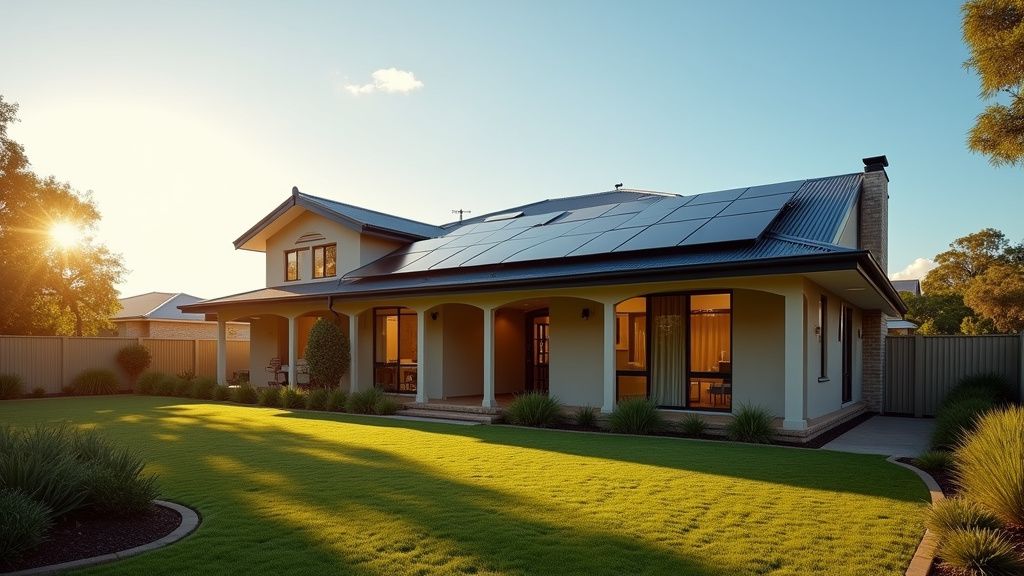
The core concept of the SSO is simple: energy retailers in select areas will be mandated to offer at least three hours of free electricity daily to households with smart meters. This free-power window is strategically timed to coincide with peak solar energy generation, typically around midday. The best thing about the SSO? It is designed to be available to renters, homeowners and households with, or without, existing rooftop solar installations.
Policy Drivers and Goals
The SSO is primarily driven by the Australian Government's desire to lower household electricity bills by allowing residents to shift a portion of their energy usage to times with zero costs. By incentivising midday energy consumption, the program aims to capitalise on the abundant clean energy being produced during the day, easing the strain on the grid during peak evening hours when demand surges and energy prices spike.
Beyond immediate cost savings, the SSO aims to improve overall grid stability. By distributing energy demand more evenly throughout the day, the initiative could minimise the need for expensive peak-power generation and contribute to a more resilient and sustainable electricity network.
Regulatory Framework and the DMO
The Solar Sharer Offer is being implemented as part of ongoing reforms to the Default Market Offer (DMO) framework. The DMO sets a price cap on electricity prices for households that haven't actively chosen an energy plan. By incorporating the SSO into the DMO, the government is ensuring that a wide range of consumers in New South Wales, South East Queensland, and South Australia will have access to this initiative.
The rollout is slated for 1 July 2026, giving energy retailers and regulators time to fine-tune the implementation process. The SSO will be an optional extra, allowing customers to decide if it suits their energy consumption patterns.
Policy and Regulatory Implications
The implementation of the SSO raises several policy and regulatory considerations:
- Fairness and Sustainability: A critical element of the SSO's design is a "reasonable-use cap". This is important to prevent excessive consumption during the free-power period that could strain the grid or lead to unsustainable costs for retailers. This cap is designed to accommodate the needs of an average family of five. Clear guidelines are needed to define and enforce this cap to ensure the program remains fair and sustainable.
- Smart Meter Infrastructure: The SSO relies heavily on smart meter technology. Regulators need to ensure that smart meter infrastructure is robust and reliable to accurately measure and manage electricity consumption during the free-power period. Equitable access to smart meters also needs to be considered, to ensure that all Australians can participate in the scheme.
- Retailer Adaptation: Energy retailers will need to adapt their pricing models and operational systems to accommodate the SSO. This includes developing new tariffs, managing demand fluctuations, and ensuring that customers can easily understand and access the benefits of the program.
- Grid Management: The SSO has the potential to significantly alter electricity demand patterns. Grid operators will need to carefully monitor and manage these changes to maintain grid stability and prevent any unforeseen consequences.
- Geographic Expansion: The initial rollout of the SSO is limited to DMO areas. Future policy decisions will need to address whether and how the program could be extended to other parts of Australia. The specific design of the SSO may need to be adjusted to suit the unique conditions of different regions.
- Consumer Education: Clear and transparent communication will be key to the success of the SSO. Consumers need to understand how the program works, how to optimise their energy consumption during the free-power period, and what the potential benefits and limitations are.
Looking Ahead
The Solar Sharer Offer is a bold initiative with the potential to reshape Australia's energy landscape. While questions remain about its long-term impacts, its design represents a proactive effort to leverage renewable energy sources and reduce household energy bills. Its success will depend on careful planning, effective regulation, and a commitment to fairness and sustainability. As the rollout date approaches, it will be crucial for policymakers, regulators, and energy retailers to work together to ensure that the Solar Sharer Offer delivers on its promise of affordable and clean energy for all Australians.