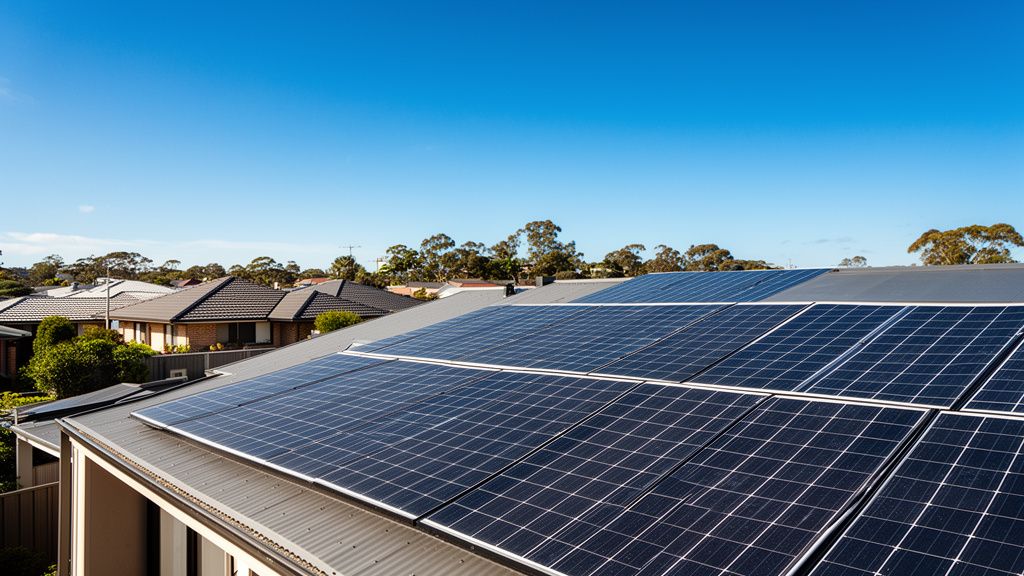
TL;DR: Large-scale solar projects in NSW face approval times exceeding 1,100 days, more than three years. This extended waiting period significantly slows renewable energy rollout, pushes up project costs, and risks Australia's clean energy targets. Streamlining regulatory processes is essential to unlock investment and get more solar power on the grid.
How Long Do NSW Large-Scale Solar Projects Actually Take to Get Approved?
Large-scale solar projects in New South Wales currently take over 1,100 days for state significant development (SSD) approval. This period extends from a project's initial lodgement with the Department of Planning, Housing and Infrastructure (DPHI) until it receives final sign-off. The average three-year-plus waiting time makes NSW one of the slowest jurisdictions globally for greenfield renewable energy development. This statistic comes directly from project developers and industry bodies who track these applications through the state system. For context, building a comparable solar farm often takes less time than getting the permits for it. The delays add uncertainty and risk to projects that aim to provide cheap, clean electricity to Australian homes and businesses. Many developers find themselves in a holding pattern, with significant capital tied up, while applications slowly move through bureaucratic channels.
What Is a State Significant Development (SSD) Application?
An SSD application applies to projects with a capital investment value exceeding $30 million, or those generating over 100 megawatts of electricity. These large-scale solar farms fall into the SSD category due to their size and potential impact. The DPHI assesses these applications, involving multiple government agencies and community consultations. The process aims to balance environmental, social, and economic considerations. However, the current system struggles with the volume and complexity of renewable energy proposals, leading to substantial backlogs. Each SSD application represents a major investment meant to contribute to the grid.
What Are the Main Bottlenecks in the NSW Solar Approval Process?
Several key issues cause the extended delays in NSW solar project approvals. The sheer volume of applications submitted, combined with insufficient staff resources within the DPHI and other assessment agencies, creates a significant backlog. Each application requires detailed environmental assessments, grid connection studies, and community impact reports, all of which need review by multiple parties. Furthermore, the coordination between state and federal environmental laws, and various local council requirements, often creates additional hurdles. This layered regulatory environment means projects can get stuck waiting for responses or approvals from different departments.
The Impact of Grid Connection Assessments
Grid connection applications often contribute heavily to overall project delays. While separate from DPHI planning approvals, these technical assessments by the Australian Energy Market Operator (AEMO) and network service providers must run concurrently. A solar farm cannot proceed without an approved connection point to the National Electricity Market. These studies are complex, requiring detailed modelling of grid stability and network capacity. The queue for these assessments is long, and any changes during the planning phase can necessitate fresh connection studies, pushing timelines out even further.
How Do Approval Delays Impact Project Costs and Investor Confidence?
Extended approval delays directly inflate project costs and erode investor confidence in NSW's renewable energy sector. Every extra month a project waits means more holding costs for land leases, consultant fees, and legal expenses. These costs add up, making projects less financially attractive. A $100 million solar farm might see its internal rate of return drop by several percentage points due to a two-year delay. This financial risk makes investors wary of committing capital to NSW projects, potentially redirecting their funds to states with quicker, more predictable approval pathways.
The Cost of Missed Opportunities
The delays also represent a missed opportunity for the NSW energy market. Each stalled solar project means less clean electricity feeding into the grid, which often gets replaced by more expensive, emissions-intensive sources. This pushes up wholesale electricity prices for consumers and businesses. It also hinders progress towards NSW's decarbonisation targets. When projects sit in limbo for years, they cannot contribute to grid stability, energy security, or the creation of regional jobs. Developers, seeing faster progress elsewhere, may simply choose to invest their dollars in other states or countries.


What Steps Can NSW Take to Accelerate Solar Project Approvals?
NSW needs to implement targeted reforms to streamline the solar project approval process and reduce current delays. Increasing resourcing within the DPHI and other reviewing agencies is a critical first step. More planners and technical experts can process applications faster. Introducing clearer, more standardised guidelines for environmental and social impact assessments can also speed things up. Creating a dedicated fast-track pathway for projects meeting specific renewable energy criteria could also help. Improved inter-agency communication and a single point of contact for developers would reduce confusion and minimise redundant requests for information.
Leveraging Digital Tools and Proactive Planning
Adopting digital planning tools and platforms could significantly improve efficiency. An online portal that tracks application progress, allows for digital submissions, and provides clear status updates would enhance transparency for developers. Proactive infrastructure planning by the government could also help. Identifying suitable zones for renewable energy development with existing grid capacity, then pre-approving certain land uses, could reduce individual project assessment times. This forward-thinking approach would minimise conflicts and provide greater certainty for developers looking to build in NSW. The state aims for 80% renewable energy by 2030; quicker approvals are essential to hit this target.
Key Takeaways
- NSW large-scale solar projects currently take over 1,100 days for state planning approval.
- This three-year-plus waiting time adds significant costs and uncertainty for developers.
- Bottlenecks include insufficient planning staff, complex inter-agency coordination, and lengthy grid connection assessments.
- Delays reduce investor confidence and slow NSW's progress towards its renewable energy targets.
- Streamlining processes, increasing resourcing, and using digital tools can accelerate approvals and unlock investment.
Read More
For a comprehensive overview, check out our master guide: Read the Full Guide Here.