TL;DR: The Government of Western Australia is consulting on proposed changes to grid connection rules, aiming to simplify the installation process for solar panels, battery systems, and EV chargers. These rules will enable flexible exports for inverters up to 30 kW and create streamlined pathways and capacity data access for commercial installations up to 1 MW.
Expanding Grid Capacity for Distributed Energy Resources
The Government of Western Australia, through Energy Policy WA, is actively consulting on major regulatory changes designed to modernize the state's electricity grid. The primary objective is to make it much easier for households and businesses to connect Distributed Energy Resources (DER) to the network.
Under the WA framework, DER includes consumer-owned technologies like rooftop solar panels, battery storage, electric vehicle (EV) chargers, energy management systems, and heat pump hot water systems. As these technologies continue to grow in popularity, updating connection rules is critical to unlocking grid capacity and allowing more consumers to participate in the clean energy transition.
Upgrading Rules for Residential Inverters up to 30 kW
The first major component of the proposed changes focuses on residential and small-scale commercial systems. The government aims to improve solar and battery system functionality for all customers installing inverters with a capacity of up to 30 kilowatts (kW).
This upgrade is a crucial step for the rollout of "flexible exports" across Western Australia. Unlike traditional fixed export limits, which restrict the amount of solar power a household can send back to the grid at all times, flexible exports allow systems to adjust their output dynamically. This means households can export more power when grid capacity allows, maximizing their earnings while keeping the grid safe.
Simplifying Pathways for Commercial Systems up to 1 MW
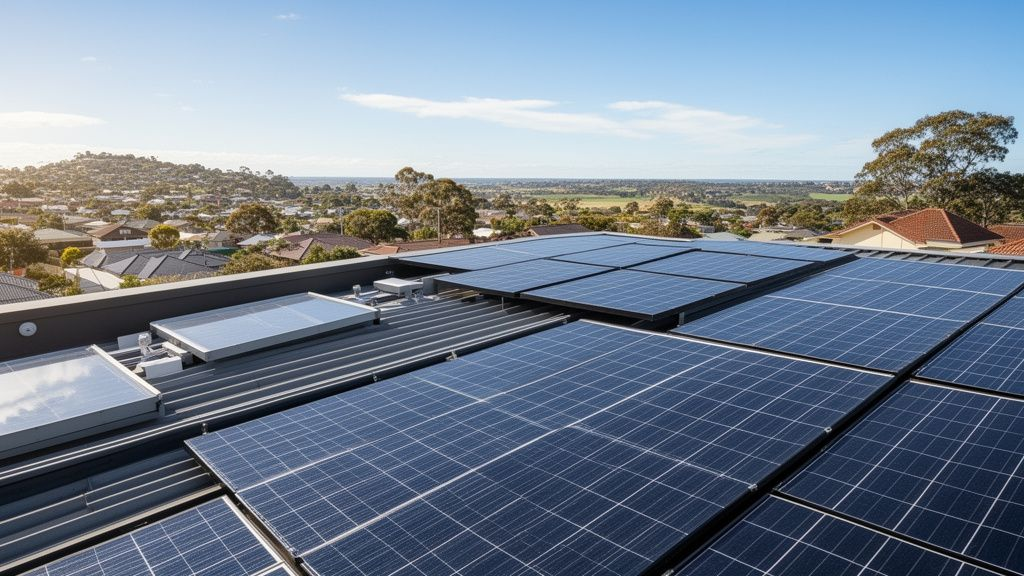
In addition to residential upgrades, the WA Government is proposing rule changes to support business owners. The new rules aim to provide a simpler, more streamlined pathway for commercial operators to connect solar and battery systems up to 1 megawatt (MW) in capacity.

A key aspect of this proposal is providing commercial operators with better access to network capacity data. With transparent access to this data, businesses can quickly assess where and how they can connect their systems without encountering unexpected delays or costly grid integration studies. To support this consultation, Energy Policy WA is inviting general feedback and questions from the public via the dedicated email address: smartersolar@deed.wa.gov.au.
Balancing Incentives and Stability in WA
Connecting solar panels and batteries is supported by several integrated state and federal policies that help customers maximize their investments:
- Upfront SRES Incentives: The federal Small-scale Renewable Energy Scheme provides upfront discounts on the purchase price of solar panels and batteries.
- Energy Buyback Schemes: Eligible customers receive payments for exporting excess power to the grid from solar panels, batteries, and even electric vehicles.
- WA Residential Battery Scheme: This state-run initiative helps households install residential batteries, allowing them to store excess solar energy for evening use.
- Emergency Solar Management: To safeguard the network during periods of extreme generation and low grid demand, WA utilizes Emergency Solar Management protocols to temporarily manage solar exports, ensuring overall grid reliability.
Key Takeaways
- Inverter Upgrades: Proposed connection rules target inverters up to 30 kW to enable flexible exports and improve overall grid functionality.
- Commercial Simplicity: Businesses installing systems up to 1 MW will benefit from simplified connection rules and better access to grid capacity data.
- Feedback Channel: Energy Policy WA is welcoming public feedback and queries regarding these changes at smartersolar@deed.wa.gov.au.
- Comprehensive Integration: The updates complement existing WA programs, including Energy Buyback Schemes, the WA Residential Battery Scheme, and Emergency Solar Management.