Solar Showdown: Maximizing Your Investment - Solar Only vs. Solar + Batteries
Thinking about going solar, mate? Excellent choice! Australia’s sun-drenched landscape makes solar power a no-brainer for many homeowners. But once you’ve decided to take the plunge, you’re faced with another question: Should you stick with solar panels alone, or invest in a battery system as well?
It's a common dilemma, and the answer depends on your individual circumstances and energy needs. Let's break down the pros and cons of each option to help you make an informed decision.
Solar Only: The Straightforward Solution
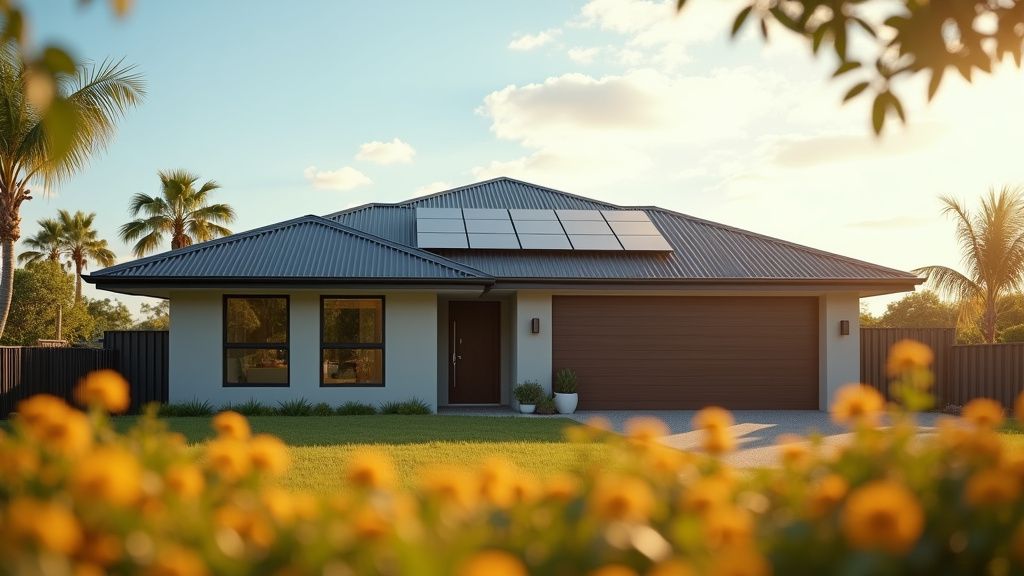
A solar-only system is exactly what it sounds like: photovoltaic (PV) panels installed on your roof that convert sunlight into electricity. This electricity can then be used to power your home, reducing your reliance on the grid. Any excess electricity generated is exported back to the grid, for which you'll receive a feed-in tariff (FiT).
The Upsides of Solar Only:
- Lower Upfront Cost: Solar-only systems are significantly cheaper to install than systems with batteries. This makes them an attractive option for budget-conscious homeowners.
- Simpler Installation and Maintenance: Without batteries, the system is less complex, leading to easier and cheaper maintenance.
- Faster Payback Period: Due to the lower initial investment, solar-only systems typically have a shorter payback period. You'll start seeing returns on your investment sooner. A good solar salesperson will be honest about the improved returns compared to a system including batteries.
- Reduced Environmental Impact (Compared to Fossil Fuels): Even exporting excess power to the grid is beneficial, displacing electricity generated by fossil fuel power plants.
The Downsides of Solar Only:
- Reliance on the Grid: You're still dependent on the grid for electricity during periods of low sunlight (e.g., at night or on cloudy days).
- Lower Self-Consumption: You might export a large portion of your solar energy to the grid, earning you a lower feed-in tariff than what you would pay to consume electricity directly.
- Limited Backup Power: During a power outage, your solar system will likely shut down unless it has specific grid-disconnect functionality (which isn't always standard).
Solar + Batteries: Storing Sunshine for Later
A solar + battery system combines solar panels with a battery storage system. The battery stores excess solar energy generated during the day, allowing you to use it when the sun isn't shining, such as in the evening or during a blackout.
The Upsides of Solar + Batteries:
- Increased Self-Consumption: Batteries allow you to use a much higher percentage of the solar energy you generate, reducing your reliance on the grid and maximizing your savings.
- Backup Power: In the event of a power outage, your battery system can provide backup power to keep essential appliances running.
- Greater Energy Independence: Batteries give you greater control over your energy usage, reducing your dependence on the grid and shielding you from rising electricity prices.
- Potential for Demand Response Programs: Some energy retailers offer programs where you can discharge your battery to the grid during peak demand periods, earning you additional income.
The Downsides of Solar + Batteries:
- Higher Upfront Cost: Batteries are a significant investment, substantially increasing the overall cost of the system.
- Longer Payback Period: The higher initial investment leads to a longer payback period, which can be a deterrent for some homeowners. It's important to note that blending the payback periods of solar and batteries can be misleading. The batteries might significantly worsen the overall return on investment.
- Battery Lifespan and Replacement Costs: Batteries have a limited lifespan (typically around 10 years) and will need to be replaced, adding to the long-term costs.
- More Complex Installation and Maintenance: Battery systems are more complex than solar-only systems, requiring specialized installation and maintenance.
Crunching the Numbers: Is a Battery Worth It?
Let's look at a simplified example to illustrate the economics. Imagine a 6kW solar system generating about 24kWh of energy per day.
Without a battery, you might self-consume some of that energy directly (say, 5kWh) and export the rest (19kWh). If you pay 36 cents per kWh for electricity and receive a feed-in tariff of 16 cents per kWh, your savings would be:
- Self-consumption savings: 5 kWh x $0.36 = $1.80
- Export income: 19 kWh x $0.16 = $3.04
- Total daily benefit: $4.84
Now, let's consider adding a battery that can store 13.5kWh. You could store the excess solar energy during the day and use it at night, further reducing your reliance on the grid. However, the economic benefit of storing that energy isn't a straight 36 cent saving, but closer to 20 cents, as you are forgoing the 16 cent feed-in tariff. If you were to store 13.5kWh and save 20 cents per kWh, your saving would only be $2.70.
Making the Right Choice for You
Ultimately, the best choice depends on your specific circumstances. Consider the following factors:
- Your Energy Consumption Patterns: Do you use most of your electricity during the day or at night?
- Your Budget: How much are you willing to invest in solar?
- Your Energy Goals: Are you primarily looking to save money, increase energy independence, or both?
Do your research, get multiple quotes, and carefully consider your individual needs before making a decision. And don't forget to check out our Complete Guide for a deeper dive into the economics of solar and batteries!