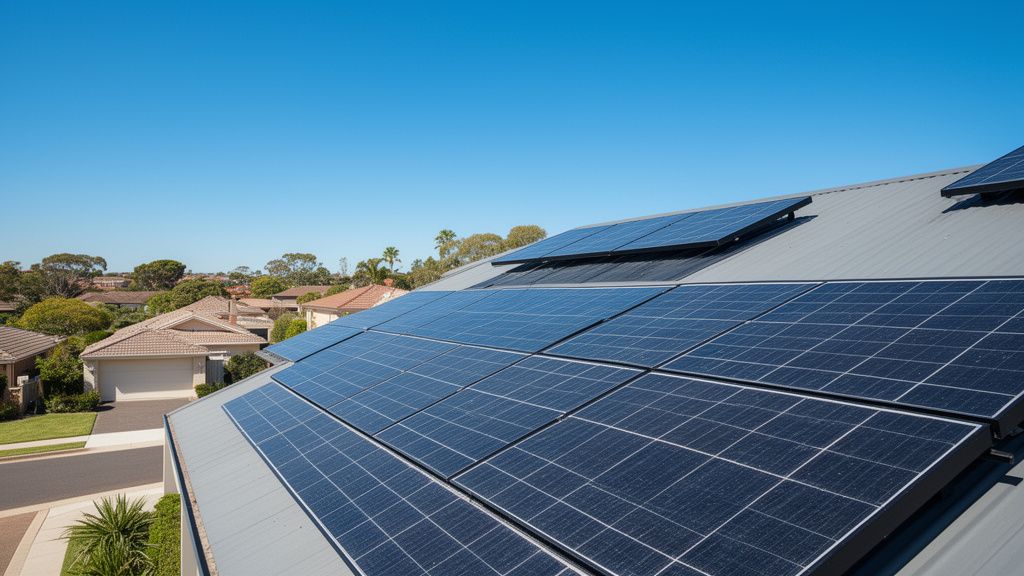
TL;DR: Manual monitoring for solar systems primarily involves infrequent checks of electricity bills or basic inverter displays, which makes it impossible to detect the subtle, long-term energy losses caused by slow panel degradation. These gradual reductions in output accumulate over time, costing homeowners significant savings without triggering obvious alerts.
What Challenges Does Manual Solar Monitoring Present?
Manual solar monitoring often fails to detect subtle, long-term performance issues because it relies on infrequent visual checks and basic meter readings. Most homeowners check their energy bills quarterly, or glance at their inverter display every now and then. This approach provides a snapshot of total energy generation, not a detailed, ongoing picture of system health. A high-quality solar panel might degrade by only 0.5% per year. On a typical 6.6kW system, this equates to a tiny fraction of its daily output – far too small to notice from an electricity bill that varies due to seasonal changes or household usage patterns. Without consistent, granular data to compare against a baseline, even a cumulative 2-3% loss over a few years simply blends into the background noise of daily variations.
Infrequent Checks and Inconsistent Baselines
Homeowners rarely record daily production figures, let alone compare them against expected performance based on weather conditions. You might notice a dip in generation during winter, but attribute it to shorter days or cloud cover, not a gradual panel issue. Manual checks lack a consistent baseline for comparison, making it nearly impossible to identify a steady, minor drop in efficiency. This means problems like subtle micro-cracks or evolving hot spots, which slowly chip away at performance, remain invisible to the naked eye or a quick look at the inverter.
Lack of Granular Data
A manual check typically gives you a total kilowatt-hour figure for a day, week, or billing cycle. This figure doesn't tell you if one panel is underperforming, or if the inverter is slightly less efficient than it was last year. Without data at the panel level, or at least string level for string inverters, pinpointing the source of a minor issue is impossible. It’s like checking your car's fuel gauge without knowing if one of the cylinders is misfiring slightly – the overall performance might dip, but you wouldn't know why or even that it's dipping until it becomes a major fault.
How Does Slow Degradation Affect System Performance and Pockets?
Slow degradation directly reduces a solar system's energy output over time, costing homeowners thousands in lost savings. Solar panels naturally degrade, with manufacturers usually warrantying a maximum 0.5% to 0.7% annual loss after the first year. This sounds small, but the impact compounds. Consider a well-performing 6.6kW system in Sydney producing around 24 kWh per day. A 0.5% daily loss is only 0.12 kWh, worth roughly 3 cents at a 25c/kWh retail electricity price. However, over a year, this adds up to over 43 kWh, costing about $10.80. After five years, that cumulative loss, assuming it's roughly 2.5% compared to initial output, totals hundreds of kilowatt-hours and tens of dollars annually. Over the system's 25-year lifespan, even a healthy 0.5% annual degradation means losing about 12.5% of total expected energy generation.
The Compounding Effect of Minor Losses
While 0.5% might seem negligible, the cumulative effect over years turns a small trickle into a significant drain on your energy savings. If your system degrades by an average of 0.6% annually, after 10 years, its output will be roughly 6% lower than its initial capacity. If your electricity rates sit around 30c/kWh, a system that once saved you $2,500 annually now saves you $150 less. This isn't a one-off hit; it's a persistent reduction in your economic benefit, year after year, slowly eroding your initial investment return without an obvious alarm.
Financial Impact on Australian Households
These hidden losses directly impact the return on investment for Australian solar owners. For a typical 6.6kW system, generating around 9,000 kWh annually, a 1% degradation costs you 90 kWh each year. If you're avoiding buying electricity at 30c/kWh, that's $27 in lost savings for that year alone. Over a decade, factoring in compounding, this could easily amount to hundreds of dollars in lost value. If degradation is higher than expected due to hidden faults, the financial drain is even greater. This unobserved reduction extends your payback period and diminishes the overall lifetime savings your solar system provides.
What Do Automated Monitoring Systems Detect That Manual Checks Miss?
Automated monitoring systems constantly collect detailed data, allowing them to pinpoint performance anomalies and gradual degradation that manual checks overlook. These systems, particularly those integrated with microinverters or optimisers, track individual panel performance in real-time. They log parameters like DC power output, AC power output, voltage, current, and even panel temperature, often uploading this data to a cloud platform every 5-15 minutes. This constant stream of information creates a robust baseline of "normal" operation for every part of your system under various weather conditions.


Granular Data and Performance Baselines
Unlike a quarterly bill, automated monitoring shows you exactly how much energy each panel, or each string, produced hour by hour. This level of detail means the system knows what a healthy panel should be doing on a sunny Tuesday afternoon in May, given the specific irradiance and temperature. When one panel starts consistently underperforming by even a small margin, say 5-10% below its neighbours, the system flags it. It identifies these subtle deviations from the established baseline, making it possible to catch a slowly failing bypass diode or a developing hot spot before it escalates into a major fault or significant energy loss.
Early Detection of Subtle Faults
Automated systems are designed to look for trends and anomalies. They can compare today's performance against yesterday's, last week's, or even the system's overall historical average. This allows them to detect gradual degradation that slowly reduces output over months or years. A manual check might show your system still produces power, but it won't tell you it's producing 7% less than it should be, or that one string has been consistently underperforming for six months. Automated monitoring triggers alerts for these subtle changes, giving you and your installer the opportunity to investigate and rectify issues while they are minor, preserving your system’s efficiency and your long-term savings.
Key Takeaways
- Manual solar monitoring methods like checking bills or inverter displays cannot detect the subtle, long-term energy losses from slow panel degradation.
- Even minor annual degradation compounds significantly over the system's lifespan, costing Australian homeowners hundreds or thousands in lost savings.
- Automated monitoring systems collect granular, real-time data at the panel or string level, establishing baselines for expected performance.
- These systems can identify consistent, minor underperformance or developing faults long before they become noticeable through manual checks.
- Investing in a system with robust automated monitoring protects your solar investment by ensuring optimal long-term energy production.
Read More
For a comprehensive overview, check out our master guide: Read the Full Guide Here.


