"# Powering the Outback: Living Off-Grid in Australia for Farms and Remote Areas
Australia, with its vast landscapes and sun-drenched days, offers an ideal environment for embracing off-grid living. For farmers, remote property owners, and those seeking true energy independence, the appeal of ditching traditional power bills and unreliable grid connections is growing stronger than ever. Escalating electricity bills and the hefty upfront expenses of connecting to the main grid are making a strong case for taking your power into your own hands.
Before we dive into the details of designing your independent energy future, if you're keen to explore the practicalities of setting up a smaller off-grid system or a hybrid inverter in a shed, check out our Complete Guide.
Why Go Off-Grid Down Under?
The benefits of an off-grid solar system, especially for properties in remote Australian locations, are significant:
- No More Power Bills: Say goodbye to those quarterly invoices and the stress of fluctuating energy costs.
- Zero Connection Fees: Avoid the often exorbitant costs of extending the main grid to a distant property.
- Price Protection: Insulate yourself from future increases in retail electricity prices.
- Independence and Sustainability: Generate your own clean, renewable power, taking control of your energy future.
- Asset Ownership: The equipment you invest in is yours, not subject to network operator whims.
- Environmental Footprint: Contribute to a greener future by relying on solar energy.
For many, particularly those on sprawling farms or in isolated communities, off-grid isn't just an option; it's a practical and often more cost-effective solution than grid connection when viewed over the system's entire lifespan.
Key Considerations Before You Disconnect
Embarking on the off-grid journey requires careful planning. Here are some crucial points to ponder:
- Lifecycle Cost Analysis: When comparing off-grid to grid connection, don't just look at the initial price tag. Evaluate the total cost over the long term, including maintenance, potential upgrades, and ongoing operational expenses for both options.
- Sizing is Everything: A common pitfall is investing in a system that doesn't adequately meet your energy demands. An undersized system will lead to frustration and potentially costly fixes. Going off-grid properly means ensuring your setup can comfortably power your lifestyle, even during cloudy spells.
- Quality Components are Non-Negotiable: For an off-grid system, reliability is paramount. Opting for subpar components can leave you vulnerable to system failures and prolonged power outages – a risk truly not worth taking, especially when you're miles from the nearest town.
- Become an Energy Guru: Living off-grid means becoming more conscious of your energy consumption. Without the vast reserves of the grid, efficient use of power becomes second nature for every household member.
Off-grid solutions are particularly well-suited for:
- Powering new sheds or workshops on existing rural properties.
- New home builds in areas where grid connection is unavailable or prohibitively expensive.
- Creating a self-sufficient holiday retreat or weekender without ongoing grid fees.
- Supplying electricity to small, remote shacks or communication outposts.
- Embracing a completely sustainable lifestyle.
- Any situation where the cost of grid connection outweighs the investment in an independent off-grid system.
Designing a Robust Off-Grid System for Australian Conditions
A properly designed off-grid system can offer stability and reliability comparable to, or even exceeding, the conventional electrical distribution network. Here's how:
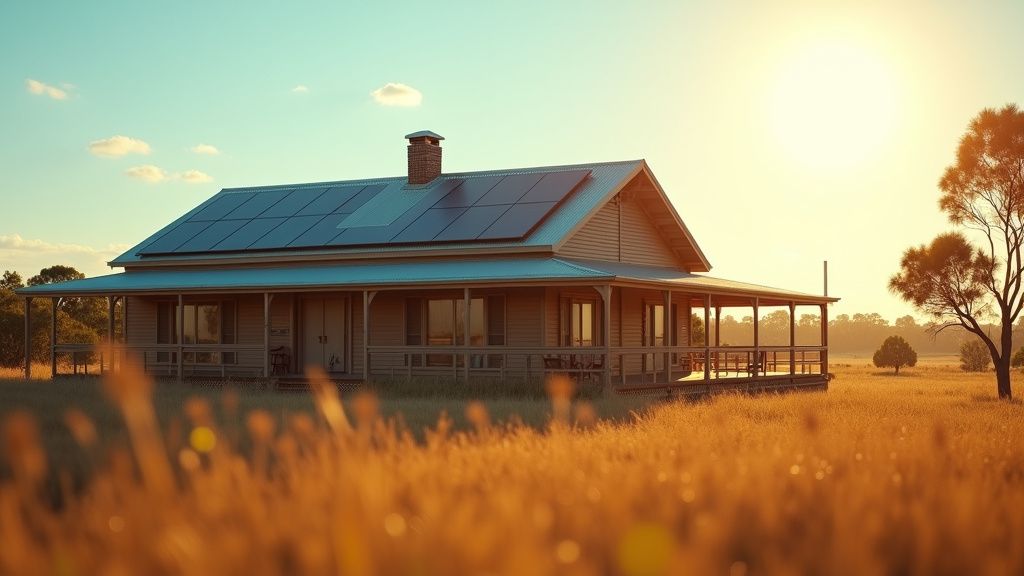
- Autonomy and Redundancy: A well-engineered off-grid setup often incorporates 1.5 to 3 days of battery autonomy (power storage without sunshine), generously sized solar PV arrays, and a reliable backup generator with auto-start functionality. This ensures uninterrupted power even during prolonged periods of bad weather.
- Energy-Efficient Appliances are Your Best Mates: When assessing your daily power consumption for a new dwelling, appliance choices make a massive difference to your system's required capacity and overall cost. Consider these energy-intensive culprits:
- Hot Water: An average electric hot water system for a family can consume 4 kWh per day. Switching to gas or solar hot water with a gas booster drastically reduces this load, saving you thousands on system costs. If your solar hot water system has an electric boost, remember this will draw heavily on your battery in cloudy conditions.
- Cooking: Electric cooktops and ovens are significant power hungry appliances. Opting for gas cooking can lead to substantial savings on your off-grid system size.
- Heating: Electric bar heaters are huge energy guzzlers. Wood fire heating is a far more efficient and off-grid friendly alternative for keeping warm.
Navigating Government Incentives and Regulations
In Australia, solar panel installations, including those for off-grid systems, benefit from the Federal Government's Small-scale Technology Certificates (STCs) incentive, which helps offset the initial cost.
- How STCs Work: STCs are calculated based on your system's location, installation date, and its estimated electricity generation over its 'deeming period'. However, the Small-scale Renewable Energy Scheme is slated to end in 2030.
- Changes to Incentives: The standard 15-year deeming period for solar PV systems began reducing annually from January 1st, 2017. This reduction in the deeming period directly translates to fewer STCs being created for eligible systems each year, potentially increasing your upfront cost unless solar panel prices continue to fall.
- Market Volatility: The value of STCs fluctuates based on supply and demand, so the overall rebate amount can vary.
- Compliance is Key: To be eligible for STCs and ensure safe, reliable operation, your solar panels, inverters, and chargers must be on the Clean Energy Council’s (CEC) approved list of components. Furthermore, all installations must be carried out by a CEC-accredited off-grid installer. This ensures quality and safety, giving you peace of mind.
Embrace Your Off-Grid Future
Living off-grid in Australia, particularly for farms and remote properties, is more accessible and reliable than ever. By understanding your energy needs, investing in quality components, and designing a robust system, you can unlock unparalleled energy independence, significant long-term savings, and a sustainable future. It's about more than just power; it's about freedom and resilience in the heart of the Australian landscape.