G'day, Aussies! Ever stared at your electricity bill with a mix of dread and confusion, wondering why it's higher than a kookaburra in a gum tree? You're not alone. Understanding what drives your household's electricity usage is the first crucial step towards lowering those bills, reducing your carbon footprint, and making a smart investment in solar power. It's not just about turning off lights; it's about a whole range of factors that subtly – and sometimes not-so-subtly – impact your daily power consumption. Let's dig into the key elements that significantly affect your household's electricity usage, helping you become a savvy power manager.
Climate and Weather Conditions
Australia's diverse climate plays a massive role in our energy consumption. Those scorching summers and chilly winters mean our reliance on heating and cooling systems is immense. Air conditioners, even energy-efficient ones, are power hungry. A typical ducted air con can chew through 3-5 kilowatt-hours (kWh) per hour, while a split system might use 1-2 kWh. Running one for just a few hours a day during a heatwave, at an average cost of 30-40 cents per kWh, quickly adds up to hundreds on your bill. Similarly, in colder regions, electric heaters, reverse cycle air conditioners (for heating), and electric blankets become significant contributors. A single bar heater can consume 2 kWh per hour, making it an expensive comfort if used frequently. The more extreme the weather, the harder your climate control systems work, and the more electricity you consume.
Household Size and Daily Habits
It stands to reason that more people in a household generally equates to higher electricity usage. More occupants mean more lights on, more devices charging, more showers (hot water!), more meals cooked, and more entertainment systems running. Beyond the sheer number, individual habits are critical. Are family members conscious about turning off lights and appliances when leaving a room? Do kids spend hours on gaming consoles? Is the television on all day as background noise? Are clothes dryers used daily, even on sunny days? A household of two very energy-conscious individuals might use less power than a single person with habits of leaving everything switched on. Understanding your household's routines and encouraging mindful consumption can lead to substantial savings.
Appliance Efficiency and Age
Not all appliances are created equal. The energy efficiency of your household appliances is a major determinant of your electricity bill. Older refrigerators, freezers, washing machines, and dishwashers often lack the energy-saving technologies of modern models. An old fridge, for instance, could be drawing twice as much power as a new, high-star-rated model. Australia's ZERL (Energy Rating Label) system provides a clear guide, with more stars indicating greater efficiency. While upgrading all your appliances at once might not be feasible, replacing the oldest and most frequently used culprits can make a noticeable difference. Look for appliances with 4 stars or more when you're in the market for a replacement.
Appliance Type and Usage Frequency
Beyond efficiency, the type of appliances you use and how often you use them are critical. Some appliances are inherently more power-intensive than others. Hot water systems are often the biggest guzzlers in an Australian home, accounting for 25-30% of total electricity use, especially electric storage systems. Pool pumps, particularly older, single-speed models, can be surprisingly expensive to run, consuming up to 1,500 kWh annually – potentially adding hundreds of dollars to your bill. Clothes dryers, ovens, dishwashers, and even kettles and toasters used multiple times a day are significant contributors. Don't forget the cumulative effect of "vampire power" or standby consumption from devices like TVs, gaming consoles, modems, and chargers that are plugged in but not actively in use. While each might only draw a few watts, collectively they can account for 5-10% of your total bill over a year.
Home Insulation and Design


The structural integrity and design of your home play a huge role in how much energy you need for heating and cooling. A well-insulated home (walls, ceiling, floor) with double-glazed windows and good draught sealing will retain heat in winter and keep it out in summer, significantly reducing the workload on your HVAC systems. Conversely, a draughty home with poor insulation acts like a sieve, allowing precious conditioned air to escape, forcing your systems to work harder and longer. Orientation of the house, shading, and even the colour of your roof can all impact internal temperatures and, by extension, your electricity consumption.
Time of Use (TOU) Electricity Tariffs
In many parts of Australia, electricity retailers offer Time of Use tariffs. This means the cost per kWh varies depending on the time of day you use electricity. Typically, there are peak rates (highest, often late afternoon/early evening), shoulder rates (mid-range, usually morning/mid-afternoon), and off-peak rates (lowest, overnight/weekends). While TOU tariffs don't change how much electricity you use, they dramatically change how much you pay for it. Running your dishwasher or washing machine during peak hours (e.g., 5-9 PM) could cost you 40-50 cents/kWh, whereas doing the same task overnight might only cost 15-20 cents/kWh. Understanding and shifting your major appliance usage to off-peak periods can lead to substantial savings without reducing your overall consumption.
The Solar Connection: How Understanding Usage Powers Your Savings
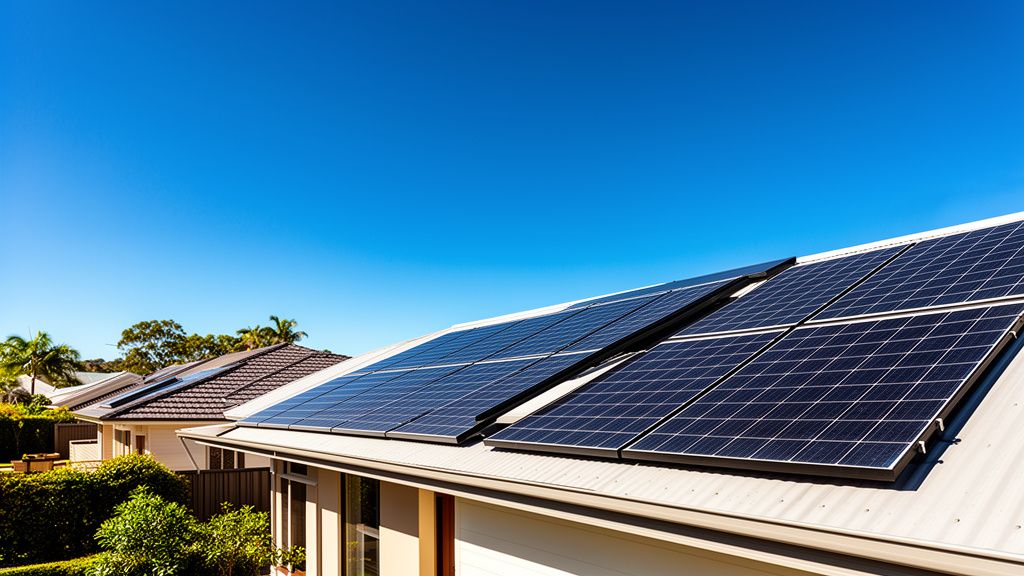
This deep dive into your electricity usage isn't just about reducing your bills; it's absolutely crucial for anyone considering solar power. Understanding when and how much power you use allows solar installers to design a system perfectly tailored to your needs. A household with high daytime usage (e.g., working from home, running pool pump during the day) will maximise their self-consumption of solar-generated electricity, leading to greater savings. For those with high evening usage, a solar battery storage solution might be more beneficial to store excess daytime solar for night-time use. Knowing your usage patterns helps ensure you get the right size solar system and the maximum return on your investment, transforming those confusing bills into clear savings.
Practical Tips for Reducing Your Usage
- Audit Your Appliances: Identify and consider upgrading older, inefficient appliances, especially fridges and hot water systems.
- Embrace Off-Peak: Shift high-usage activities like laundry and dishwashing to off-peak hours if you're on a TOU tariff.
- Eliminate Vampire Power: Turn off appliances at the wall when not in use. Use power boards with individual switches.
- Smart Heating/Cooling: Set thermostats to sensible temperatures (e.g., 24-26°C in summer, 18-20°C in winter). Use ceiling fans in summer.
- Maximise Natural Light: Use curtains, blinds, and natural light to reduce the need for artificial lighting.
- Insulate and Seal: Invest in insulation, draught sealing, and consider window coverings to maintain comfortable indoor temperatures.
Your Power to Save
Understanding the key factors that affect your household's electricity usage isn't just about saving a few bucks; it's about empowering you to make informed decisions about your energy consumption. From the age of your fridge to the timing of your laundry, every choice has an impact. Armed with this knowledge, you're not just a bill-payer; you're an active participant in managing your home's energy footprint. And for those looking to truly take control, combining these savvy habits with a well-designed solar power system is the ultimate Aussie power play. Ready to turn understanding into savings and sustainability? Let's get started.
Read More
For a comprehensive overview, check out our master guide: Read the Full Guide Here.


