Is Solar Power Still a Smart Investment in Australia? Let's Break It Down
The Australian sun beats down, seemingly endless, and for years, we've heard the chorus: "Go solar! Save money! Save the planet!" But in 2025, with so much noise and evolving technology, you might be asking yourself: Is solar power still a smart investment for your home or business? Or has the sun begun to set on its golden era?
As an independent journalist for SolarInsights, I'm here to cut through the hype and give you the factual breakdown. Whether you're a homeowner tired of escalating bills or a business looking for sustainable efficiency, understanding the current landscape is crucial. For a deeper dive into system components, check out our Complete Guide.
The Australian Solar Surge: Why the Hype is Real
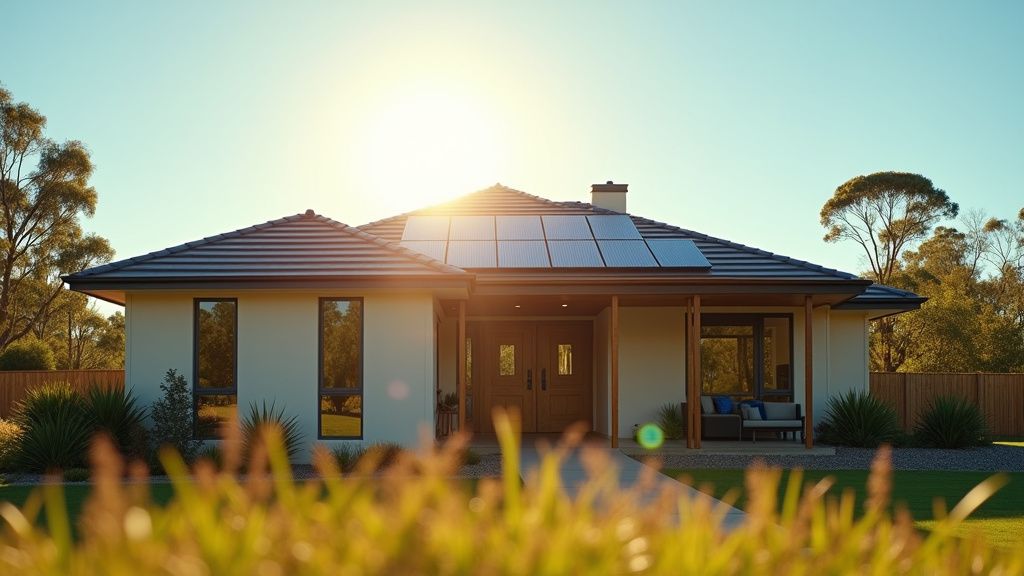
Walk through any Australian suburb, and you'll see them – glinting panels adorning rooftops. It’s not just a trend; it's a massive shift. Australia continues its rapid adoption of solar, with impressive growth figures backing the enthusiasm. According to recent industry reports, household and business rooftop solar systems have collectively added an impressive 1.97 GW of capacity from 219,000 installations just this year. In a single recent quarter, over 68,500 new systems were installed, contributing 620 MW, with projections for even stronger growth ahead.
This isn't just about saving a few dollars; it's transforming how we generate power across the nation.
The Bright Side: Why Solar Continues to Shine
The reasons for this widespread embrace are compelling and continue to strengthen:
- Taming Rising Energy Bills: One of the most significant drivers. As electricity prices relentlessly climb, generating your own power offers a robust shield against bill shock. Many Australians are aiming for greater energy independence, significantly reducing their reliance on the grid, day and night (especially with battery storage).
- Technological Evolution & Efficiency: Today's solar panels are not the same as those from a decade ago. Advancements in photovoltaic technology mean modern panels can produce substantially more energy from the same footprint, making them more efficient and cost-effective. Plus, systems now come with impressive warranties, some extending up to 30 years, offering long-term peace of mind.
- Boosting Property Value: Investing in solar is an asset. Properties with existing solar installations are often more attractive to buyers, as they immediately offer the benefits of lower energy costs and sustainable living. This adds tangible value to your home or business, potentially increasing its resale price.
- Reliability and Longevity: Solar panels are engineered for durability, designed to withstand Australian conditions for 30 years or more. Coupled with the sun's consistent availability (even on cloudy days, they still produce power), solar offers a remarkably reliable energy source that requires minimal maintenance.
- Competitive Market & Innovation: The mass adoption of solar has spurred fierce competition among suppliers and installers. This competition drives innovation, pushing down the cost of systems and making high-quality solar more accessible to a broader range of Australians in 2025.
- Government Support & Incentives: Australian Federal and State Governments continue to offer various incentives designed to make solar more affordable. These can range from upfront rebates that significantly reduce the initial purchase price to zero-interest loan programs or "rebate swap" initiatives. Furthermore, specific rebates are often available for advanced battery storage systems, allowing you to combine them with federal subsidies for even greater savings and energy independence. It's always worth exploring what's available in your local area.
- Environmental Contribution: Beyond the financial benefits, solar allows you to play an active role in Australia's transition to a greener future. States like New South Wales and the ACT have committed to Net Zero carbon emissions by 2050, and every solar installation contributes to achieving these vital environmental targets.
Addressing the Clouds: What to Consider
While the advantages are clear, it's essential to look at the full picture:

- The Initial Investment: Let's be transparent: a quality solar system represents a significant upfront cost. This can be daunting. However, it's crucial to view this not as an expense, but as an investment. Like any smart investment, it requires an initial outlay with the expectation of substantial returns over time. Many providers offer transparent Return-On-Investment (ROI) timeframes, helping you understand exactly how long it will take for your system to pay for itself through energy savings.
- Weather Dependency: Solar panels rely on sunlight. While modern systems are incredibly efficient, their output can be affected by heavy cloud cover, prolonged rainy periods, or shading from trees and neighbouring buildings. This intermittency is why battery storage is becoming an increasingly popular addition, allowing you to store excess energy generated during sunny periods for use when the sun isn't shining.
The Verdict: A Shrewd Move for the Long Term
So, is solar power still a smart investment? Absolutely.
While the initial outlay requires consideration, the compelling combination of constantly increasing electricity prices, advanced and more affordable technology, robust government incentives, and the undeniable boost to your property's value makes solar a very shrewd long-term move for Australians in 2025.
It's an investment that not only pays for itself over time, but continues to deliver significant financial and environmental returns for decades. By mitigating the risks of an unpredictable energy market and contributing to a sustainable future, solar power stands as one of the smartest decisions you can make for your home or business today.
Ready to explore your options? Understanding your specific needs and local incentives is the next step.