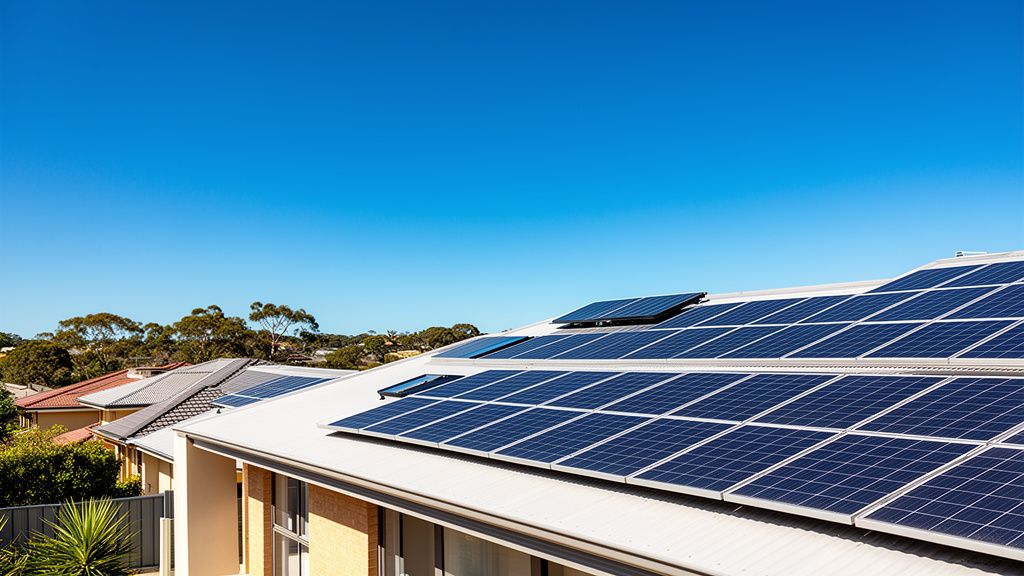
TL;DR: REC Solar panels represent a premium investment for Australian households seeking high-performance, durable solar systems. While initial costs are higher than budget options, their superior efficiency, robust warranties, and extended lifespan often translate to greater long-term savings and reliability, making them a worthwhile consideration for quality-focused buyers.
What makes REC Solar panels a premium choice for Australian homes?
REC Solar panels stand out due to their Norwegian engineering, advanced manufacturing processes, and commitment to high performance and durability, which Australian conditions demand. REC, established in Norway in 1996, manufactures its panels in Singapore, maintaining tight quality control across the production line. Their flagship Alpha series, especially the Alpha Pure-R models, employs N-type Heterojunction Technology (HJT). This technology combines the best features of P-type and N-type silicon cells, resulting in higher efficiency rates – often exceeding 22% – and improved performance in hotter temperatures. For Australian summers, a panel with a low-temperature coefficient, like the Alpha Pure-R's -0.25%/°C, means less power degradation as the mercury rises, delivering more usable energy to your home throughout the day. REC also uses a robust, lead-free design, increasing their environmental credentials and structural integrity, important for enduring harsh weather events. This focus on advanced cell technology and build quality positions REC as a top-tier option.
How much does a REC Solar system typically cost in Australia?
An indicative REC Solar system for an Australian home generally costs between $8,000 and $15,000 for a 6.6kW system, and $12,000 to $20,000 for a 10kW system, before any state-specific rebates. These figures reflect a complete installed system, including a quality inverter (like Fronius, SolarEdge, or Sungrow), mounting hardware, electrical work, and STC (Small-scale Technology Certificate) incentives. The price range acknowledges variations in inverter quality, installation complexity, and regional market differences. While REC panels sit at the higher end of the market compared to budget brands, their price reflects the advanced technology and superior warranties they offer.
Indicative Costs for 6.6kW and 10kW REC Systems
For a standard Australian household, a 6.6kW REC solar system (using 16-18 panels) might cost around $8,000-$12,000 in major capital cities like Sydney or Melbourne. Moving to a larger 10kW system, which suits higher energy consumers or homes with aspirations for battery storage, you could expect to pay $12,000-$18,000. These prices account for the current value of STCs, which homeowners claim upfront to reduce the total purchase price. STC values fluctuate, impacting the final out-of-pocket expense. For example, a 6.6kW system installed in Adelaide might attract a slightly different STC rebate compared to Brisbane, influencing the net cost.
What factors influence REC system pricing?
Several elements influence the final cost of a REC solar system. The chosen inverter brand is a significant factor; premium European inverters like Fronius or SolarEdge generally add more to the cost than high-quality Asian alternatives such as Sungrow or Growatt. The complexity of your roof (e.g., steep pitch, multiple angles, tile type) impacts installation labour. Additional components like optimisers or a battery-ready inverter also increase the overall price. Furthermore, the installer's overheads and profit margins vary, as does their experience and reputation. Always obtain quotes from several authorised REC installers to compare pricing and inclusions.
What long-term value do REC Solar panels offer?
REC Solar panels deliver significant long-term value through their exceptional power output warranty, high efficiency that maintains performance over decades, and reduced risk of costly replacements. REC offers a comprehensive 25-year product warranty against manufacturing defects and a 25-year performance warranty for its Alpha series. The performance warranty guarantees that the panels will produce at least 92% of their original nominal power output by year 25. This contrasts with many standard panels that might only guarantee 80-85% at the same mark. This minimal degradation rate translates directly into more kilowatt-hours generated over the system's lifespan, providing greater overall energy savings. Their robust construction means fewer issues over time, reducing maintenance requirements and the likelihood of unexpected costs. A reliable, high-performing system also increases your property's value, offering another financial benefit should you decide to sell.


Is investing in REC Solar the right decision for your home?
Investing in REC Solar makes sense for Australian homeowners prioritising long-term reliability, maximum energy production, and peace of mind, despite the higher upfront expense. If you plan to live in your home for many years, a REC system’s extended lifespan and consistent output mean it will pay itself back faster through savings on your electricity bill and continue generating free power for decades. Homeowners in areas prone to extreme heat or strong winds particularly benefit from REC's durable design and superior temperature performance. While the initial investment for REC panels exceeds that of budget-tier brands, the reduced risk of warranty claims, higher energy yield, and excellent long-term performance often justify the cost. For those seeking a quality system that performs consistently and comes with comprehensive manufacturer backing, REC presents a compelling option.
Key Takeaways
- REC Solar panels use advanced N-type HJT technology, providing high efficiency and excellent performance in Australian heat.
- Expect to pay between $8,000-$15,000 for a 6.6kW system and $12,000-$20,000 for a 10kW REC system, including STCs and quality inverters.
- REC offers a strong 25-year product and 25-year performance warranty, guaranteeing at least 92% output at year 25.
- The higher upfront cost of REC systems translates into greater long-term savings, reliability, and reduced risk for homeowners planning to stay in their property.
- Always compare quotes from authorised REC installers to ensure the best system design and value for your specific needs.
Read More
For a comprehensive overview, check out our master guide: Read the Full Guide Here.


