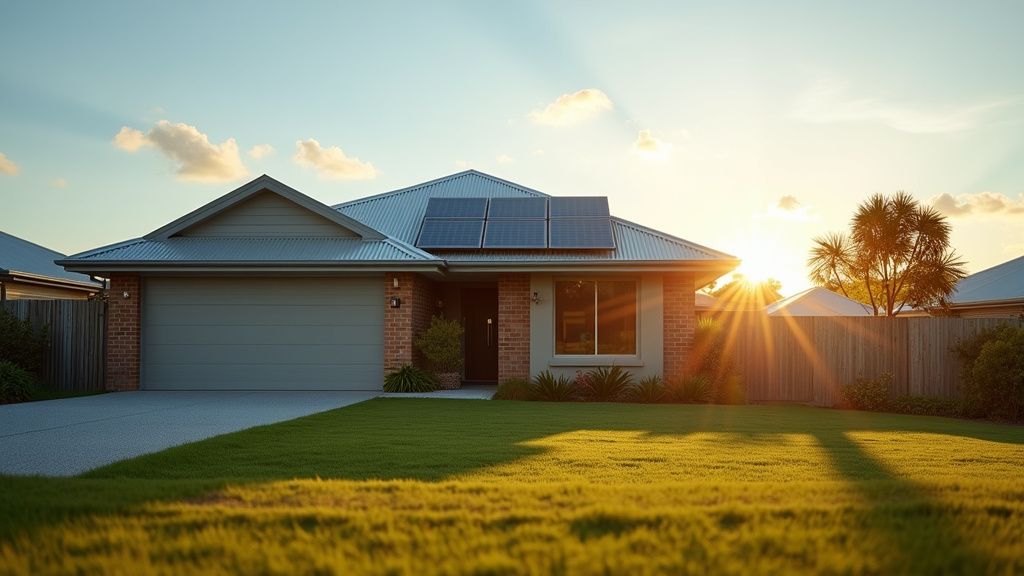
Queensland is undergoing a massive energy transformation, rapidly transitioning to renewable energy sources. While this shift is crucial for a sustainable future, it presents significant challenges to the reliability of our power supply. The closure of older coal-fired power plants, the variable nature of solar and wind energy, and the urgent need for major upgrades to the grid infrastructure all pose risks that demand proactive solutions.
This transition requires careful management and significant investment in grid resilience to ensure Queenslanders have access to reliable and affordable power. Learn more in our Complete Guide.
The State of Queensland's Energy Transition
Queensland's electricity system is navigating a period of immense change. The state government has set ambitious renewable energy targets, leading to a surge in solar and wind farm development. However, this rapid shift away from traditional thermal generation creates vulnerabilities.
The central challenge is balancing the intermittent nature of renewable energy with the need for a consistent power supply. Unlike coal-fired power plants that can operate continuously, solar and wind generation fluctuate depending on weather conditions. This variability can strain the grid, potentially leading to instability and, in the worst-case scenario, blackouts.
The Risks of Inaction
Failing to invest in grid resilience poses serious risks to Queensland's economy and the well-being of its residents. Blackouts can disrupt businesses, cripple essential services like hospitals and transportation, and leave homes without power during extreme weather events. The economic costs associated with power outages can be substantial, impacting productivity and consumer confidence.
According to recent reports, Queensland's power grid faces a critical decade ahead, defined by this rapid shift toward renewables. The reliability of our electricity supply depends heavily on the timely delivery of new generation capacity, substantial energy storage solutions, and a modernized, robust transmission network. These are complex undertakings that demand decisive government action and consistent private sector investment.
Key Areas for Investment
To safeguard Queensland's energy future, investment must be directed towards three critical areas:


- Energy Storage: Large-scale battery storage and pumped hydro energy storage are essential for smoothing out the fluctuations in renewable energy generation. These technologies can store excess energy generated during periods of high solar or wind output and release it when demand exceeds supply. Investing in energy storage will improve grid stability and reduce our reliance on traditional fossil fuel sources.
- Grid Upgrades: Queensland's existing transmission network was designed for a centralized power system with large coal-fired power plants. To accommodate the influx of renewable energy from distributed sources, the grid must be modernized and expanded. This includes upgrading transmission lines, substations, and control systems to handle the increased flow of electricity and manage the variability of renewable energy. Smart grid technologies, such as advanced sensors and data analytics, can also play a vital role in optimizing grid performance and preventing outages.
- Diversification of Renewable Energy Sources: Relying solely on solar power exposes the grid to vulnerabilities during prolonged periods of cloud cover or at night. Diversifying our renewable energy portfolio by incorporating wind, hydro, and biomass can create a more resilient and reliable energy system. Geographic diversification is also important; spreading renewable energy projects across different regions of Queensland can mitigate the impact of localized weather events.
Solar and Home Batteries: A Key Part of the Solution
While large-scale solutions are crucial, individual households can also contribute to grid resilience by investing in solar panels and home battery systems. Solar panels reduce demand on the grid during daylight hours, while home batteries can store excess solar energy for use at night or during power outages. This not only reduces reliance on the grid but also provides a backup power supply during emergencies.
The Queensland government offers various incentives and rebates to encourage homeowners to adopt solar and battery storage. Taking advantage of these programs can save money on electricity bills and contribute to a more sustainable and resilient energy future.
Government Policy and Private Sector Collaboration
Building a resilient energy grid requires strong government policy and close collaboration with the private sector. The government must create a clear and consistent regulatory framework that encourages investment in renewable energy, energy storage, and grid upgrades. This includes streamlining approval processes for new projects, providing financial incentives, and setting clear performance standards for grid operators.
Private sector companies have a crucial role to play in developing and deploying the technologies and infrastructure needed to modernize the grid. This requires fostering an environment that encourages innovation and competition, while also ensuring that projects are developed in a sustainable and responsible manner.
Securing Queensland's Energy Future
Investing in grid resilience is not just about preventing blackouts; it's about securing Queensland's energy future. By embracing renewable energy, upgrading our grid infrastructure, and promoting energy storage, we can create a more sustainable, reliable, and affordable energy system for all Queenslanders. It's an investment in our economy, our environment, and our future.