Powering Through the Storm: How Smart Grids Can Keep the Lights On in Queensland Apartments
Queensland summers are legendary – but so are the storms that can leave thousands in the dark. If you're one of the many apartment dwellers who have sweated through a blackout, wondering when the power will return and what will become of your groceries, you're probably wondering if there's a better way. The good news is, there is. Smart grids offer a powerful solution to reduce blackouts and improve the reliability of electricity supply, particularly for those living in multi-unit dwellings. For a deep dive into this topic, check out our Complete Guide.
The Blackout Blues: A Queensland Reality
Recent weather events have highlighted the vulnerability of Queensland's power grid. Tens of thousands of homes, including countless apartments, have been plunged into darkness after severe storms. Consider the experience of Brisbane resident Grayson Cavanagh, who lost power during a storm and faced a sweltering night without air conditioning or fans. The blackout ruined approximately $200 worth of food in her refrigerator and posed difficulties for elderly residents relying on lifts. These challenges are far from unique.
Beyond individual inconvenience, frequent power outages raise concerns about the grid's overall stability and resilience, especially with predictions of more intense storms due to climate change. The Australian Energy Market Operator (AEMO) has even warned of potential "reliability gaps" in electricity supplies.
Enter the Smart Grid: A Smarter Way to Power Our Homes
So, what exactly is a smart grid, and how can it prevent these frustrating and sometimes costly blackouts? In essence, a smart grid is an advanced electricity network that uses digital technology to improve efficiency, reliability, and sustainability. Unlike the traditional grid, which relies on one-way communication and centralised control, a smart grid enables two-way communication and distributed control. This means it can:


- Monitor power flow in real-time: Smart sensors and meters provide detailed information about electricity demand and supply across the network, allowing operators to identify and respond to potential problems before they escalate into widespread outages.
- Automatically isolate and reroute power: During a storm or other disruptive event, a smart grid can quickly isolate damaged sections and reroute power to unaffected areas, minimizing the number of customers affected by blackouts. This means that instead of an entire neighbourhood losing power, only a small section might be affected.
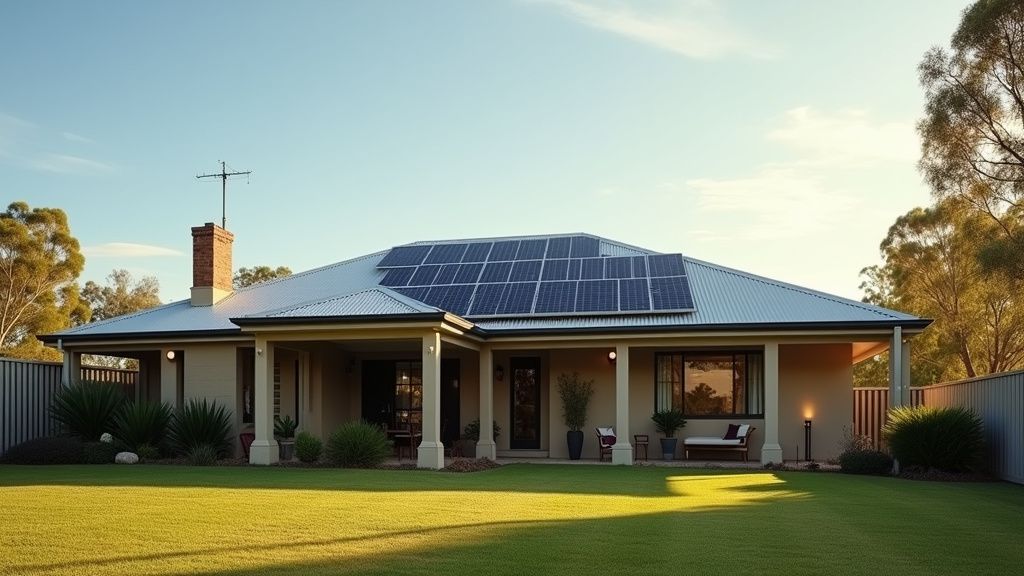
- Integrate renewable energy sources: Smart grids can seamlessly integrate distributed generation sources, such as rooftop solar panels on apartment buildings. This can help to reduce reliance on the central grid and improve overall energy security.
- Enable demand response programs: Smart grids allow utilities to offer incentives for customers to reduce their electricity consumption during peak demand periods. This can help to prevent overloading the grid and reduce the risk of blackouts.
Smart Grids and Apartments: A Perfect Match
The benefits of smart grids are particularly relevant to apartment buildings:
- Microgrids for Multi-Unit Dwellings: The concept of a microgrid – a smaller, self-contained energy grid that can operate independently – is gaining traction. Imagine an apartment complex with its own solar panels, battery storage, and smart control system. This microgrid could continue to supply power to the building even if the main grid goes down, providing a reliable source of electricity during blackouts.
- Improved Energy Management: Smart meters and in-home displays allow residents to track their energy consumption in real-time, identify opportunities to save money, and participate in demand response programs.
- Enhanced Grid Stability: By integrating distributed generation and enabling demand response, apartment buildings can contribute to the overall stability of the grid and reduce the risk of blackouts for everyone.
Challenges and Opportunities
While the potential benefits of smart grids are significant, there are also challenges to overcome. Energy Queensland is currently trialling microgrids in remote locations. The development and deployment of smart grid technologies require significant investment. Smart grid infrastructure comes with a multi-million dollar price tag, and needs to be proven to be financially sustainable
The Future is Bright (and Powered by Smart Grids)
Despite these challenges, the future of electricity in Queensland is undoubtedly smart. As technology advances and costs decline, smart grids will become increasingly widespread, offering a more reliable, efficient, and sustainable way to power our homes and businesses. For apartment residents who have endured the discomfort and inconvenience of blackouts, smart grids offer a glimmer of hope – a promise of a future where the lights stay on, even during the fiercest storms. By embracing smart grid technologies, Queensland can build a more resilient energy system that benefits everyone.