TL;DR: Satellite imagery combined with AI now identifies issues in Australian solar systems remotely and rapidly. This technology spots performance drops, physical damage, and shading from space, allowing for proactive maintenance and better system performance without costly site visits.
Can Satellites Really Detect Problems with Your Solar Panels from Space?
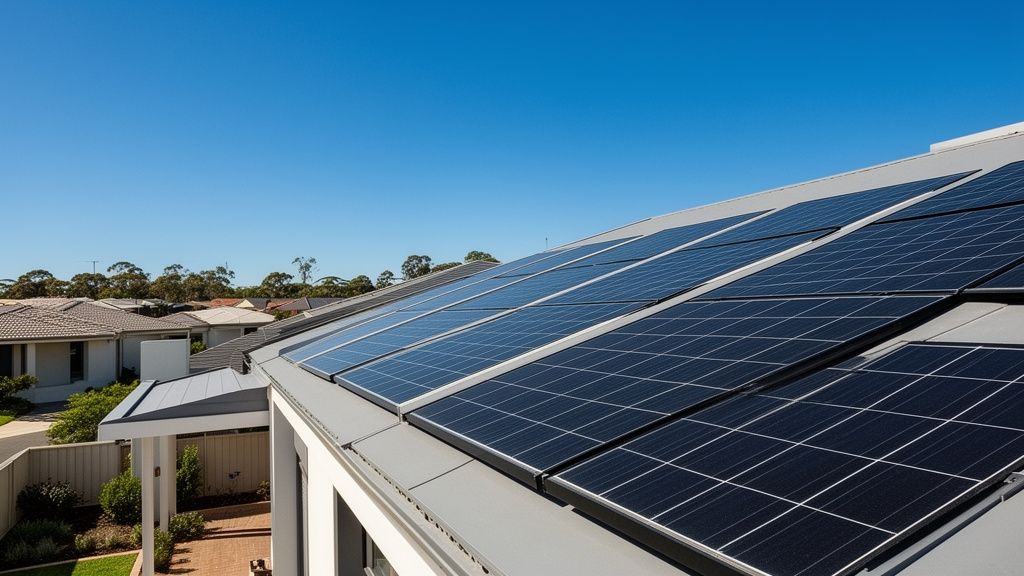
Yes, satellites now routinely detect performance issues and physical damage on solar panels across Australia, even in remote locations. High-resolution satellite imagery captures detailed snapshots of solar installations, showing their thermal signatures and surface conditions. Companies like Nearmap provide detailed aerial imagery, and dedicated solar analytics platforms then process this visual data. This lets solar professionals see how individual panels or entire arrays operate without a ladder or a plane ticket. Abnormal temperatures, often indicating a faulty panel or connection, show up clearly. You can spot a hot spot on a panel, a dust build-up, or even physical damage from hailstones that impacts performance. This aerial perspective offers a consistent, scalable way to monitor system health across hundreds or thousands of sites simultaneously, significantly reducing the need for traditional, often expensive, on-site inspections, particularly for large-scale commercial or remote agricultural installations.
How Remote Monitoring Prevents System Underperformance
Remote monitoring using satellite data identifies underperforming solar systems early. A small drop in a system's output might go unnoticed for months by an owner, costing them hundreds of dollars in lost electricity generation. Satellite data, processed by AI, establishes a baseline for each system's expected output based on its location, tilt, and weather patterns. When actual performance dips below this benchmark, the system flags it. This early detection means installers or maintenance providers can investigate specific issues, such as a dirty panel or a failing microinverter, before they escalate. For instance, a residential 6.6kW system in Queensland losing just 10% efficiency due to grime can cost an owner around $15-$20 per month in lost savings. Identifying this quickly through satellite data means cleaning can happen promptly, restoring full output and maximising bill savings. This proactive approach ensures solar owners get the most out of their investment.
How Does Artificial Intelligence Interpret Satellite Data for Solar Diagnostics?
Artificial Intelligence (AI) algorithms process the vast amounts of satellite data to pinpoint and diagnose solar system problems with accuracy. AI looks for patterns in the imagery that human eyes would miss or take hours to find. For example, machine learning models are trained on thousands of images of healthy and faulty solar panels. They learn to recognise thermal anomalies, discolouration, shading patterns, and physical damage like cracks or delamination. The AI compares current satellite images with historical data for the same site and even with data from similar systems in the region. This comparison helps it identify deviations from normal operating conditions. It can differentiate between temporary shading from a cloud and a consistent shadow from a growing tree or a newly built structure. When the AI detects a potential issue, it can categorise the problem, estimate its severity, and even suggest possible causes, such as a specific panel failure or a wiring issue, long before a technician arrives on site.
Automated Fault Detection and Predictive Maintenance
Automated fault detection using AI transforms solar maintenance from reactive to proactive. Instead of waiting for a customer to report a high electricity bill, or for a string inverter to fail, AI identifies issues as they develop. It can predict when a panel string might underperform due to accumulating dust by tracking degradation patterns over time. For a large solar farm in regional NSW, an AI system might analyse daily satellite scans and report a 2% drop in overall output caused by localised dust storms or bird droppings on a specific array section. This allows maintenance teams to schedule targeted cleaning or repairs, rather than sweeping inspections of the entire farm. This predictive capability extends the lifespan of components and minimises downtime. By forecasting potential failures, maintenance costs reduce, and system uptime increases, directly benefiting the solar farm's revenue generation and the grid's stability.
What Are the Real-World Benefits for Australian Solar Owners and Installers?
The integration of satellite data and AI offers tangible benefits for Australian solar owners and installers, translating into better performance and lower costs. For homeowners, it means their solar system runs efficiently without them having to constantly monitor it. They get peace of mind knowing that significant issues will be caught early, protecting their investment. For installers and maintenance providers, this technology significantly reduces operational expenses. They can conduct virtual inspections for many clients simultaneously, prioritising physical visits only for confirmed issues. This saves money on fuel, labour, and travel time, especially for scattered customer bases across metropolitan and rural areas. A company servicing customers from the Gold Coast to Mackay might use AI-driven diagnostics to cut down their average travel time for initial problem assessment by 40-50%, redirecting resources to actual repair work. This efficiency gain allows them to service more customers effectively and offer more competitive maintenance packages.


Cost Savings from Proactive System Management
Proactive system management driven by satellite data and AI leads to substantial cost savings. Detecting problems early prevents minor issues from becoming major, expensive repairs. A faulty bypass diode in a single panel, if left unaddressed, can create hot spots that degrade the entire panel or even lead to fire risks. With AI detection, this issue gets flagged quickly, allowing for a targeted panel replacement costing a few hundred dollars, rather than potentially replacing an entire string or dealing with fire damage which could cost thousands. For an average Australian home with a 6.6kW solar system, an annual AI-powered check-up service might cost around $150-$250, potentially saving them hundreds or even thousands over the system's lifespan by maintaining optimal performance and preventing catastrophic failures. This smart approach extends the system's useful life and maximises the financial returns on the initial solar investment.
Key Takeaways
- Satellite data and AI identify solar panel issues like hot spots, damage, and shading remotely.
- AI processes imagery to detect performance drops and potential faults before they become major problems.
- This technology reduces the need for costly physical site inspections, especially for large or remote systems.
- Australian solar owners benefit from higher system uptime, reduced electricity bills, and extended component lifespan.
- Installers can offer more efficient maintenance services, cutting operational costs and improving customer satisfaction.
Read More
For a comprehensive overview, check out our master guide: Read the Full Guide Here.