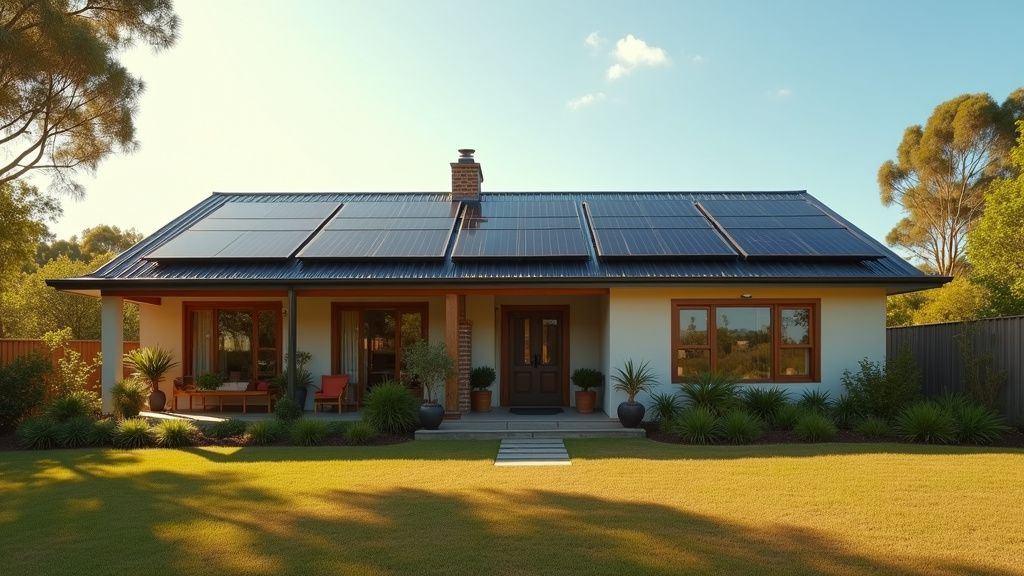
A 10kW system generates around 40 kWh a day averaged over a year, but that figure swings by roughly a third between Perth and Melbourne and by more than that between summer and winter. Our Complete Guide covers 10kW solar systems in Australia in full.
Is a 10kW System Right for You?
A 10kW solar system is generally well-suited for households with substantial energy needs or businesses with moderate daytime electricity consumption. Think of it this way: if your daily electricity usage is consistently above 40kWh, a 10kW system might be a good fit. They are on the larger side for residential setups, where 5kW to 6.6kW systems are more prevalent. Your energy distributor may have restrictions on connecting systems larger than 5kW without additional paperwork and inspections. Check with your local provider before making any firm decisions.
Breaking Down the Numbers: Expected Energy Production
The energy produced by a 10kW solar system varies depending on location, panel orientation, and weather conditions. However, we can provide some indicative figures for a north-facing system to give you a general idea:
- Sydney: A 10kW system in Sydney might generate around 40 kWh per day on average throughout the year.
- Melbourne: Expect slightly less in Melbourne, perhaps around 35 kWh per day due to less consistent sunshine.
- Brisbane: Brisbane's sunny climate could see a 10kW system producing closer to 45 kWh per day.
- Adelaide: Similar to Brisbane, Adelaide's sunshine hours could result in around 43 kWh per day.
- Perth: Perth typically sees high levels of sunshine, meaning a 10kW system could generate upwards of 46 kWh per day.
- Darwin: Expect up to 50kwh with a north-facing solar system.
Keep in mind these are average figures. Actual output will fluctuate depending on the season and daily weather.
Factors Affecting Energy Production
Several factors influence the actual power output of your 10kW solar system:
- Location: Sunlight intensity varies across Australia. Northern states generally receive more sunlight than southern states.
- Panel Orientation: North-facing panels generally capture the most sunlight in Australia. East or west-facing panels will produce less.
- Panel Tilt: The angle of your panels affects how directly they face the sun. Optimising the tilt can increase energy production.
- Shading: Obstructions like trees or buildings can cast shadows on your panels, reducing their output.
- Weather: Cloudy days will naturally reduce energy production.
- Panel Efficiency: More efficient panels generate more power from the same amount of sunlight.
- System Age and Maintenance: Like all technology, solar panels degrade over time. Regular maintenance helps maintain optimal performance.
The Financial Side: Savings and Payback
The financial benefits of a 10kW solar system come from two main sources:
- Reduced Electricity Bills: By generating your own power, you reduce your reliance on the grid and lower your electricity bills.
- Feed-in Tariffs: Excess solar energy can be fed back into the grid, earning you credits on your bill. However, feed-in tariff rates are generally lower than what you pay for electricity from the grid.
Maximising self-consumption is key to improving savings. Self-consumption means using the solar energy directly as it is generated, rather than exporting it to the grid. Aim to use at least 30% of the solar energy your system produces.
System Components and Installation
A typical 10kW solar system consists of 25-30 solar panels, depending on the wattage of each panel. Most residential solar panels range from 330W to 400W. This requires approximately 80 square metres of roof space.
As of July 2025, the average price for a 10kW solar system in Australia is about $9,130 after the federal STC rebate. This translates to roughly $0.91 per watt.
Making the Most of Your Solar Investment
- Monitor Your System's Performance: Most solar inverters come with monitoring capabilities that allow you to track your energy production and consumption.
- Use Energy-Intensive Appliances During the Day: Shift your usage of appliances like washing machines, dishwashers, and air conditioners to coincide with peak solar production hours.
- Consider Battery Storage: Adding a battery allows you to store excess solar energy for use at night or during cloudy days, further increasing self-consumption.
Conclusion
A 10kW solar system can be a valuable investment for Australian homes and businesses with significant energy needs. By understanding the factors that affect energy production and optimising self-consumption, you can maximise your savings and contribute to a cleaner energy future. Remember to get quotes from multiple installers and carefully consider your energy needs before making a decision.