Harnessing the Sun: Powering Your Australian Camping Adventures with Solar
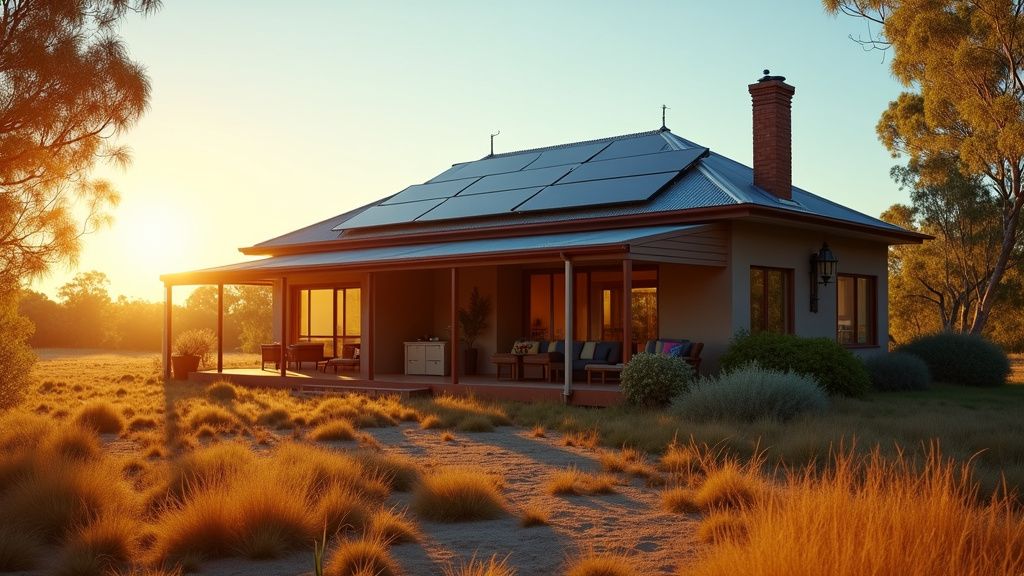
Australia, with its vast landscapes and stunning natural beauty, calls to the outdoor enthusiast. Whether you're planning a weekend escape to a national park, a long journey along the coast in your RV, or an epic off-road adventure deep in the outback, one thing is universally true: you need reliable power. Keeping your devices charged, your lights on, and your essential gear running is crucial for comfort and safety.
This is where solar technology steps in, offering a sustainable and incredibly effective solution. For those seeking portable power on the go, especially for hiking or smaller setups, solar blankets are fast becoming a favourite. To dive deeper into compact power solutions, check out our Complete Guide.
But how do these flexible wonders compare to their more rigid panel counterparts, and what do Aussie campers need to know? Let's shed some light on it.
The Rise of the Solar Blanket: A Portable Powerhouse
Imagine a solar panel you can fold up like a picnic blanket and tuck into your backpack. That's essentially what a Solar Blanket is. These innovative devices feature photovoltaic cells – the same technology that converts sunlight into electricity – embedded within a flexible, durable fabric backing. They're designed for maximum portability, making them an excellent choice for a wide range of outdoor activities.
Why Australian Campers are Loving Them:
- Unrivalled Portability: Forget bulky, heavy panels. Solar blankets are incredibly lightweight and compact. Some advanced models can weigh as little as 2-3 kg, making them easy to pack into a ute, caravan, or even a hiking pack. Many come with purpose-designed carry bags, simplifying transport and storage.
- Sustainable Energy on Tap: Moving away from noisy, fuel-guzzling generators, solar blankets provide a clean, renewable energy source. This means a quieter camp, a smaller carbon footprint, and no need to carry jerry cans of petrol.
- Cost-Effective in the Long Run: While there's an initial investment, solar blankets help you save on ongoing fuel costs for generators. They typically require minimal maintenance and are built to last for many years, offering excellent value.
- Effortless Setup: Getting power from a Solar Blanket is often as simple as unfolding it in a sunny spot and connecting it to your devices or battery system. They typically come with standard connectors for easy integration.
- Versatility for Various Needs: From charging phones, cameras, and headlamps to powering portable fridges, fans, and communication devices, solar blankets can handle a variety of moderate power demands, making them ideal for camping, emergency kits, and even temporary power outages at home.
Understanding the Tech: Types of Solar Cells
Not all solar blankets are created equal. The type of photovoltaic cell used impacts efficiency, cost, and flexibility:
- Monocrystalline Cells: Recognised by their uniform dark colour, these are generally the most efficient type of solar cell, meaning they convert more sunlight into electricity from a smaller area. However, they tend to be more expensive.
- Polycrystalline Cells: These cells have a speckled, bluish appearance. They are a more budget-friendly option than monocrystalline cells and offer a good balance of performance and lifespan, though they are slightly less efficient in direct sunlight.
- Thin-Film Cells (including CIGS): These are the champions of flexibility and often the lightest. Thin-film solar blankets can be easily rolled or folded. While generally less efficient than crystalline cells in peak sun, certain advanced thin-film technologies, like Copper Indium Gallium Selenide (CIGS), can offer superior performance in low-light conditions or overcast weather, thanks to specific diode designs. This makes them surprisingly robust for varied Australian weather.
The Trade-Offs: What to Consider
While solar blankets offer incredible advantages, it's important to be aware of their limitations:
- Lower Efficiency Compared to Traditional Panels: Generally, solar blankets convert sunlight to electricity less efficiently than rigid, fixed solar panels of the same wattage. This means they might take a bit longer to charge devices or may require a larger surface area to achieve similar power output.
- Limited Power Output: Solar blankets are fantastic for moderate power needs but may not be sufficient for high-demand appliances like large caravan air conditioners or heavy-duty fridges, which typically require more substantial, often fixed, solar arrays.
- Weather Dependent: Like all solar technology, their performance hinges on sunlight. Cloudy days will reduce their output significantly, and extreme heat can also impact efficiency. Optimal angling towards the sun is crucial for maximising their output.
- Durability and Placement: While flexible, they are still susceptible to damage from sharp objects, excessive dirt, or heavy snow (though snow is less of an issue for most Australian campers!). Careful placement and handling are advised.
- Security Concerns: Their very portability, while a huge advantage, also makes them easier targets for theft if left unattended in remote or public campsites. Simple security measures, like tying them down or packing them away when you leave camp, are sensible.
Solar Panels vs. Solar Blankets: Making the Right Choice
The decision between a traditional rigid solar panel and a flexible Solar Blanket often comes down to your specific camping style and power needs:
- Traditional Rigid Panels: Best for fixed installations on caravan rooftops, permanent camp setups, or situations where maximum efficiency and higher power output are critical for running larger appliances. They are more durable in a fixed position but lack portability.
- Solar Blankets: Ideal for mobile adventurers, hikers, weekend campers, those with limited space, or anyone who needs flexible power that can be easily repositioned to catch the sun throughout the day. They excel where portability and adaptability are key.
Tips for Maximising Your Solar Blanket's Performance in Australia
- Angle for Success: Always aim to position your solar blanket directly facing the sun. Adjust it periodically as the sun moves across the sky to capture maximum rays.
- Keep it Clean: Dust, dirt, and leaves can significantly reduce efficiency. Give your blanket a quick wipe down with a damp cloth when needed.
- Understand Your Power Needs: Before you buy, list all the devices you want to power and their consumption. This will help you choose a solar blanket with an appropriate wattage.
- Consider a Battery Bank: Pairing your solar blanket with a portable battery or deep cycle battery allows you to store excess power generated during sunny hours, ready for use at night or on cloudy days.
- Security Smarts: When leaving your campsite, consider packing your solar blanket away or securing it discreetly to deter theft.
Embrace the Sun, Embrace the Adventure
For Australian campers, the choice to harness the sun's abundant energy is a logical one. Solar blankets, with their incredible portability and ease of use, offer an excellent pathway to sustainable power wherever your adventures take you. By understanding their benefits and limitations, you can confidently choose the right solar solution to keep you powered up and connected, allowing you to truly immerse yourself in the beauty of the Australian outdoors.