TL;DR: GoodWe ESA (Energy Storage AC-coupled) systems integrate a hybrid inverter and battery for streamlined energy management, ideal for new installations or holistic upgrades. Parallel systems, combining a standard grid-tie solar inverter with a separate AC-coupled battery inverter, offer flexibility for retrofitting batteries to existing solar setups but can introduce more conversion losses.
What is a GoodWe ESA System and How Does it Work?
A GoodWe ESA system represents an integrated approach to solar and battery storage, typically featuring a single hybrid inverter that manages both solar PV generation and battery charging/discharging. This architecture simplifies the energy flow by having the DC power from the solar panels directly feed into the hybrid inverter, which then converts it to AC for household use, charges the battery via a DC-DC converter, or exports it to the grid. For Australian homeowners looking for a cohesive, future-proof energy solution, the ESA system offers a robust platform for maximising self-consumption and energy independence. It's often seen in new solar and battery installations, or when homeowners are completely overhauling their existing setup to include storage.
How GoodWe ESA Differs from Traditional Hybrid Inverters
GoodWe ESA specifically refers to their Energy Storage AC-coupled solution, which in essence describes their hybrid inverter range designed for seamless integration. While many hybrid inverters handle both solar and battery, the ESA branding highlights GoodWe's emphasis on flexibility and compatibility within their ecosystem, allowing for easy expansion with additional batteries or inverters. Traditional standalone hybrid inverters also manage DC solar input and battery storage but might lack the advanced communication and modularity for larger or more complex systems that GoodWe's ESA range aims to deliver. This streamlined integration often means a single point of control and monitoring for both solar production and battery performance.
Key Advantages of GoodWe ESA for Australian Homes
The primary advantages of a GoodWe ESA system for Australian homes include higher overall efficiency due to fewer conversion steps between solar and battery, and a simplified installation process. With DC power from the panels going directly to the hybrid inverter and then to the battery, there's less energy lost compared to converting DC to AC, then back to DC for battery charging. This direct DC coupling often results in 5-10% greater round-trip efficiency for battery usage. Furthermore, the single inverter unit reduces system complexity, potentially lowering installation costs, which typically range from $1,500 to $2,500 for the inverter component of a new 6.6kW system with an ESA-compatible hybrid inverter.
How Do Parallel AC-Coupled Systems Function for Solar and Battery Storage?
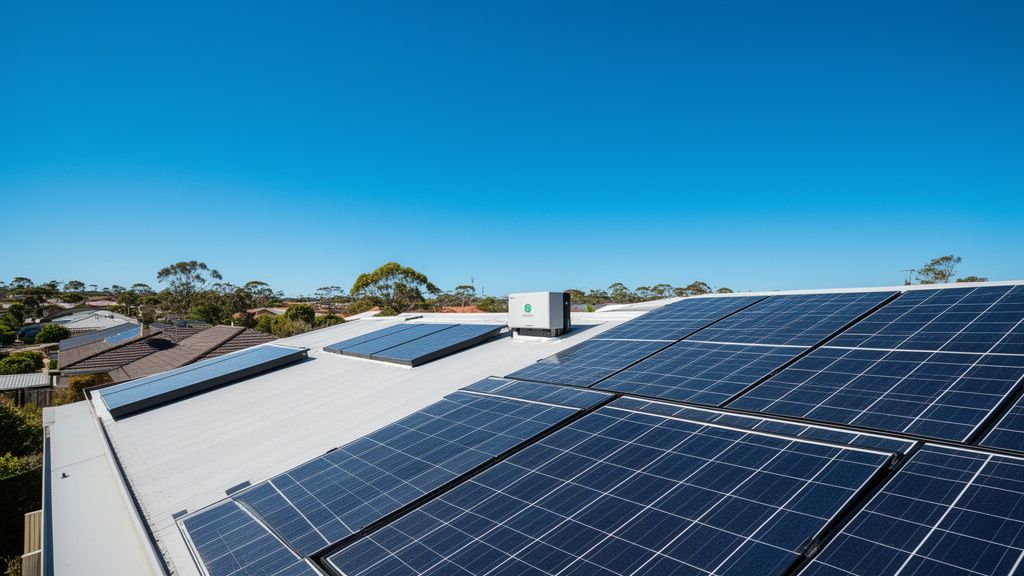
Parallel AC-coupled systems integrate battery storage into an existing or new solar PV setup by connecting a dedicated battery inverter/charger to the AC side of the household's electrical supply, alongside a standard grid-tie solar inverter. In this configuration, the solar panels feed DC power into a conventional solar inverter, which converts it to AC for immediate use or export to the grid. If excess AC power is available, the battery inverter then converts it back to DC to charge the battery. This setup allows for independent operation of the solar array and the battery system, making it particularly versatile for homeowners who already have a functioning solar system and wish to add battery storage without replacing their original solar inverter.
Common Components of a Parallel AC-Coupled System
A typical parallel AC-coupled system consists of two primary inverters: the existing solar PV inverter (e.g., a standard string inverter like a Fronius or Sungrow) and a separate battery inverter/charger (such as a Selectronic SP PRO or a GoodWe BTS AC-coupled unit). The solar inverter manages the power flow from the solar panels to the AC grid and the home's loads. The battery inverter handles the bidirectional flow of energy between the AC grid and the battery bank, converting AC power to DC for charging and DC power to AC for discharging. Energy meters and system controllers are also crucial for coordinating the two systems, ensuring optimal charging, discharging, and grid interaction, usually adding around $500 - $1,000 to the system cost.
Why Homeowners Choose Parallel Systems for Battery Retrofits
Homeowners frequently opt for parallel AC-coupled systems when retrofitting batteries to an existing grid-tie solar setup because it avoids the need to replace their perfectly functional solar inverter. This can result in significant cost savings, as a new hybrid inverter could cost upwards of $3,000 to $5,000. By simply adding an AC-coupled battery inverter and battery, they can upgrade their system to include storage, extending the lifespan of their initial solar investment. This flexibility also means less disruption to the existing solar array, as the solar side of the system remains largely untouched. It's a pragmatic choice for those looking to incrementally upgrade their energy independence.
What Are the Core Differences in Efficiency and Performance Between ESA and Parallel Setups?
The core differences in efficiency and performance between GoodWe ESA and parallel setups primarily stem from their distinct energy conversion pathways and system integration. ESA systems, often employing DC-coupling for the battery, benefit from fewer energy conversions between the solar panels and the battery, generally leading to higher overall round-trip efficiency for stored energy. Parallel AC-coupled systems, by contrast, involve multiple DC-to-AC and AC-to-DC conversions when storing and retrieving energy from the battery, which inevitably results in more energy losses. This distinction can significantly impact the amount of usable energy extracted from your battery, affecting your self-consumption rates and payback period.
Energy Conversion Pathways and Associated Losses
In a GoodWe ESA (DC-coupled hybrid) system, DC power from the solar panels can directly charge the battery without first converting to AC. When power is needed from the battery, it's converted once from DC to AC by the hybrid inverter. This minimises conversion losses. Conversely, in a parallel AC-coupled system, DC power from solar panels is first converted to AC by the solar inverter, then if needed for storage, this AC power is converted back to DC by the battery inverter to charge the battery. When discharging, the battery's DC power is converted to AC by the battery inverter. Each conversion step, typically 3-5% loss, means the parallel system can lose up to 10-15% more energy in the storage cycle compared to an ESA system.
System Reliability and Single Point of Failure Considerations
Regarding reliability, a GoodWe ESA system consolidates multiple functions into a single hybrid inverter, which simplifies the system but introduces a single point of failure for both solar generation and battery management. If the hybrid inverter fails, both your solar production and battery functionality may cease. In a parallel AC-coupled system, the solar inverter and battery inverter operate independently. This separation means that if one inverter fails, the other can potentially continue functioning. For example, if the battery inverter fails, your solar panels can often still produce power for the home or grid, providing a degree of redundancy that some Australian homeowners may prefer for continuity of at least part of their energy supply.
Which System Architecture Offers Better Value and Flexibility for Australian Homeowners?
Choosing between GoodWe ESA and parallel system architectures boils down to a homeowner's specific circumstances, including whether they're installing a new solar system or retrofitting, their budget, and their long-term energy goals. Generally, ESA systems tend to offer better overall value and efficiency for new installations or complete system overhauls due to their integrated design and fewer energy losses. However, parallel systems provide superior flexibility and cost-effectiveness for those who already have a functional solar PV system and want to add battery storage without incurring the expense of replacing their existing solar inverter. Both options have their merits, depending on the individual project scope and priorities.
Cost Implications and Installation Complexity
From a cost perspective, installing a GoodWe ESA system as part of a new solar and battery setup often presents a more streamlined initial outlay, as there's only one primary inverter to purchase and install. For example, a complete 6.6kW ESA-ready system with a 10kWh battery might range from $12,000 to $18,000. Installation is generally less complex as there are fewer components to integrate. For parallel systems, while retrofitting can save on inverter replacement costs (typically $3,000 - $5,000 for a new hybrid), the additional battery inverter and potentially separate cabling can add to installation complexity and cost, with a similar 6.6kW retrofit with 10kWh battery potentially costing $10,000 to $16,000, depending on existing infrastructure.
Scalability and Future-Proofing for Battery Expansion
GoodWe ESA systems often boast excellent scalability, allowing homeowners to easily add more batteries to their existing hybrid inverter setup, provided the inverter has the capacity and the battery modules are compatible. This 'plug-and-play' expansion capability makes them highly future-proof for those anticipating increased energy needs or wanting to grow their battery bank over time. Parallel systems also offer scalability; you can often add more batteries to the existing AC-coupled battery inverter or even install additional battery inverters if required. However, the integration might be slightly more complex, potentially requiring additional control systems or larger circuit breakers, and might not be as seamless as adding a compatible module to an ESA system.
Key Takeaways
- GoodWe ESA systems offer higher overall efficiency for battery storage due to direct DC coupling, reducing conversion losses.
- Parallel AC-coupled systems provide cost-effective flexibility for retrofitting batteries to existing grid-tie solar installations.
- ESA systems simplify installation and offer a single point of control, ideal for new builds or complete system replacements.
- Parallel systems provide redundancy as the solar PV can still operate if the battery inverter fails.
- Choose GoodWe ESA for new, integrated, and efficient setups; opt for parallel for flexible battery retrofits to existing solar.
Read More
For a comprehensive overview, check out our master guide: Read the Full Guide Here.