Maximising Your Investment: Understanding the Power Output of Your 8kW Solar System
Thinking about going solar? An 8kW solar system is a popular choice for Australian homeowners looking to significantly reduce their electricity bills and embrace cleaner energy. These systems offer a sweet spot between affordability and power generation, making them an attractive option. But how much power can you really expect from your 8kW system, and what factors influence its performance? Let's dive in. For a more comprehensive overview, check out our Complete Guide.
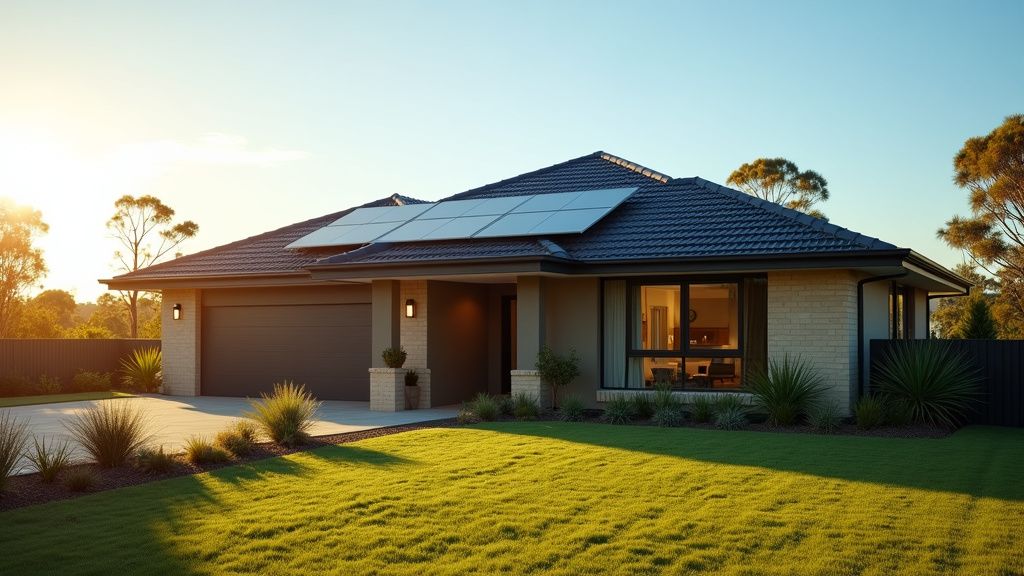
An 8kW solar system typically consists of around 21 to 28 solar panels, each roughly 1.6m x 1m, requiring a roof space of approximately 34 to 45 square meters. While a well-placed 8kW system can generate an average of around 35 kilowatt-hours (kWh) of electricity per day, this is just an average. Several key factors will determine the actual power your system produces.
1. Location, Location, Location (and Orientation!)
Australia enjoys abundant sunshine, but the intensity varies greatly depending on where you live. A system in sunny Queensland will naturally generate more power than one in Tasmania. The amount of daily sunlight hours your location receives heavily influences the electricity produced.
Equally important is the orientation and tilt of your solar panels. Ideally, panels should face north in Australia to capture the maximum amount of sunlight throughout the day. The angle at which your panels are tilted also plays a crucial role, with the optimal angle varying depending on your latitude. A professional installer can assess your roof and determine the best placement for optimal energy production.
2. Quality Matters: Components and Installation
The components you choose and the quality of the installation are crucial to system performance. While it might be tempting to opt for the cheapest option, investing in high-quality panels, inverters, and racking systems will pay off in the long run. Reputable manufacturers stand behind their products with strong warranties, ensuring consistent performance even in harsh Australian conditions.
A poorly installed system can lead to reduced power output, system failures, and even safety hazards. Partnering with a Clean Energy Council-accredited installer is essential to ensure proper installation and adherence to Australian standards. Expert installers can optimise the system design to maximize sunlight exposure and ensure all components are working in harmony.
3. Shading: The Silent Killer of Solar Production
Shading from trees, buildings, or even antennas can significantly reduce your solar system's output. Even partial shading can have a disproportionate impact, as solar panels are often wired in series, meaning that the performance of the entire string of panels can be limited by the weakest link.

Before installing your system, carefully assess your roof for potential shading issues throughout the day and year. If shading is unavoidable, consider using micro-inverters or power optimizers. These technologies allow each panel to operate independently, minimizing the impact of shading on the overall system performance.
4. Weather Conditions and Seasonal Variations
Solar power generation is inherently dependent on the weather. Cloudy days will naturally reduce the amount of sunlight reaching your panels, resulting in lower power output. Seasonal variations also play a role, with shorter days and lower sun angles in winter leading to reduced energy production compared to summer.
Keep in mind that dust, dirt, and pollen accumulation on your panels can also reduce their efficiency. Regular cleaning, especially in dusty areas, can help maintain optimal performance.
5. Inverter Efficiency and Battery Storage
The inverter converts the direct current (DC) electricity generated by your solar panels into alternating current (AC) electricity that can be used by your home appliances. The inverter's efficiency rating indicates how much of the DC power is converted into usable AC power. A higher efficiency rating means less energy is lost in the conversion process.
Pairing your 8kW solar system with a Solar Battery can further enhance its value. A battery allows you to store excess solar energy generated during the day and use it later when the sun isn't shining, reducing your reliance on grid electricity. Batteries also provide backup power during outages, offering added resilience and energy independence.
Financial Considerations: Savings and Payback
An 8kW solar system can significantly reduce your electricity bills, with potential savings depending on your energy consumption habits and electricity prices. While electricity prices vary between states, an 8kW system allows most households to significantly offset their use of grid electricity. Expect a typical payback period of around 2.5 to 3.5 years, with savings starting from day one. The exact savings depend on your energy usage, the feed-in tariff you receive for exporting excess electricity back to the grid, and the overall cost of your system.
Maximising Your Investment
Investing in an 8kW solar system is a smart move for environmentally conscious homeowners. By understanding the factors that influence power output and taking steps to optimise your system's performance, you can maximise your savings and contribute to a sustainable future. Remember, a well-designed and properly installed system will provide years of reliable, clean energy.