TL;DR: Direct, broad EV charger rebates for Australian homeowners are now largely phased out, with the ACT's interest-free loan scheme being a notable exception. Most current incentives focus on electric vehicle purchases or support commercial and public charging infrastructure. Always check state and local government websites for the latest opportunities.
What EV charger rebates and incentives are currently available for Australian homeowners?
Direct, widespread EV charger rebates specifically for Australian homeowners have largely evolved, with many state-based programs that once offered direct cashbacks now having concluded or shifted focus. The landscape is dynamic, and while direct rebates for home chargers are less common today, some excellent schemes still exist, particularly for vehicle purchases, or as part of broader sustainable living initiatives. It's crucial for homeowners to be aware that the golden era of simple, direct home charger grants in states like NSW and Victoria has passed, though historical context is useful.
The Evolving Landscape of State-Based Home Charging Support
Until recently, states like New South Wales and Victoria offered compelling rebates for home EV charging installations. NSW, for example, previously offered a $2,000 rebate towards EV purchases, which could effectively reduce the overall cost of setting up home charging. Victoria had its own program supporting the installation of smart chargers. However, these direct financial incentives for home charging hardware have generally wound down as governments pivot towards broader EV uptake strategies, often focusing on purchase subsidies or public charging infrastructure development. This means homeowners typically bear the full cost of a charger, which can range from $1,000 to $2,500 for a standard Level 2 unit, plus installation.
ACT's Sustainable Household Scheme: A Current Opportunity
The Australian Capital Territory (ACT) stands out as a proactive region with its Sustainable Household Scheme. This program offers interest-free loans of up to $15,000 for energy-efficient upgrades, and critically, EV chargers are included as an eligible item. This means ACT residents can finance their EV charger installation without incurring interest over several years, making the upfront cost much more manageable. While not a direct rebate, it's a significant financial incentive that directly reduces the burden of investing in home charging infrastructure, alongside other sustainable home improvements like solar panels and battery storage.
What are the key eligibility requirements for accessing EV charger incentives in Australia?
Accessing any remaining or future EV charger incentives in Australia typically involves meeting specific criteria related to your vehicle, property, and the charging equipment itself. While precise requirements can vary significantly between different programs and states, some common threads generally apply. Understanding these will help you determine your potential eligibility and prepare for future opportunities, even if direct home charger rebates are scarce right now.
Common Criteria for EV and Charger Eligibility
Most incentives, whether they are direct rebates, interest-free loans, or even vehicle purchase subsidies that indirectly support home charging, usually require you to own or have purchased a new or eligible second-hand electric vehicle. The vehicle often needs to be registered in the state where the incentive is offered, and certain vehicle price caps may apply (e.g., $68,000 for some Queensland EV rebates). For the charger itself, programs often specify that it must be a Level 2 (AC) charger, meeting Australian safety standards, and sometimes even require smart charging capabilities for future grid integration. The property where the charger is installed typically needs to be a residential dwelling, though specific rules apply for multi-unit dwellings.
Importance of Certified Installers and Approved Products
A universal requirement for nearly all government-backed energy and infrastructure programs is that the installation must be carried out by a licensed and certified electrician. This ensures compliance with Australian electrical safety standards and warranty validity. Furthermore, the EV charger itself must be an approved model, often listed on a program's specific product register. Using uncertified installers or non-compliant equipment will invariably disqualify you from receiving any incentive, regardless of how well you meet other criteria. Always verify your chosen installer's credentials and ensure the charger you select is eligible before proceeding with any purchase or installation.
How can businesses and multi-unit dwellings secure support for installing EV charging infrastructure?
While direct home charger rebates for individual homeowners are less common, there are often more robust financial incentives available for businesses, strata corporations, and multi-unit dwellings (MUDs) looking to install EV charging infrastructure. These programs aim to build out a more comprehensive charging network beyond private residences, supporting employees, customers, and residents in shared living spaces. These incentives are often structured as grants, co-funding initiatives, or planning support.
Federal and State Programs for Commercial EV Charging
Federal and state governments regularly announce grant programs aimed at increasing public and commercial EV charging availability. For example, the Australian Renewable Energy Agency (ARENA) has funded various projects to roll out charging infrastructure, including fast chargers along major highways and in regional areas. State governments, such as those in Queensland and Victoria, have also offered grants for businesses to install charging stations for their fleets, employees, or customers, often covering a percentage of the installation costs. These grants typically require a co-contribution from the business and adherence to specific project timelines and reporting requirements. They aim to reduce range anxiety and encourage EV adoption across the broader community.

Incentives for Apartment Buildings and Shared Spaces
Installing EV charging in apartment buildings or multi-unit dwellings presents unique challenges, including complex power infrastructure, shared costs, and body corporate approvals. Recognising this, some state and local governments have offered incentives or developed guidelines to simplify the process. While direct rebates for individual chargers in MUDs are rare, some councils might offer planning advice, streamlined approval processes, or even grants for feasibility studies or communal charging infrastructure upgrades. These programs often encourage future-proofing developments and address the growing demand for EV charging in shared living environments, fostering a more sustainable urban landscape. It's best for strata committees to consult their local council and state energy departments for specific opportunities.
How do EV charger incentives support Australia's renewable energy transition and solar integration?
EV charger incentives, even when focused on vehicle purchase or public infrastructure, play a critical role in Australia's broader renewable energy transition. By lowering the barriers to EV adoption, these incentives indirectly stimulate demand for home charging solutions, which are increasingly paired with rooftop solar systems. This synergy between EVs, solar, and smart charging technologies is fundamental to achieving a cleaner, more resilient energy future. The more EVs on the road, the greater the incentive for homeowners to install solar to power them cheaply and sustainably.
Accelerating EV Adoption and Grid Modernisation
Reducing the upfront cost of an EV and ensuring accessible charging infrastructure, whether at home or publicly, accelerates the adoption rate of electric vehicles across Australia. Each EV replacing a petrol car directly contributes to lower transport emissions. Furthermore, the increasing demand for electricity to charge these vehicles encourages investment in grid modernisation and renewable energy generation. Smart charging technologies, often a requirement in modern incentives, allow EVs to be charged when renewable energy is abundant or grid demand is low, helping to balance the grid and maximise the use of solar and wind power.
Maximising Solar Self-Consumption with Home EV Charging
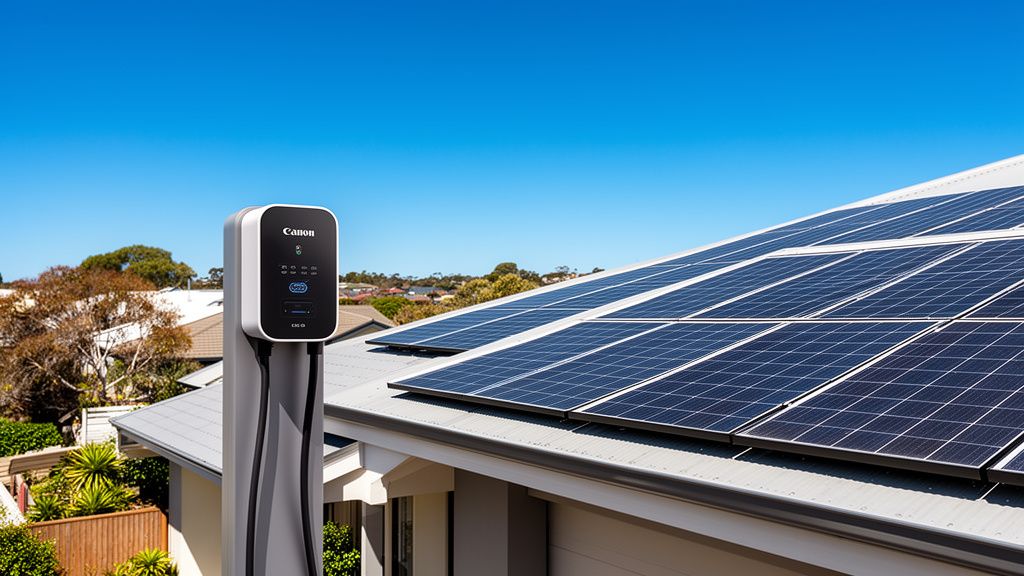
For Australian homeowners with rooftop solar, an EV charger isn't just a convenience; it's a powerful tool for maximising solar self-consumption. Instead of exporting excess solar power back to the grid for a modest feed-in tariff, homeowners can direct that clean energy into their EV battery. This effectively turns their car into a mobile battery storage unit, offsetting expensive grid electricity purchases and reducing their overall household energy bills. Incentives that support EV ownership or charger installation indirectly enhance the value proposition of rooftop solar, encouraging more households to invest in both technologies for greater energy independence and environmental benefits.
Key Takeaways
- Direct cash rebates for home EV chargers are largely phased out in most Australian states, though the ACT offers interest-free loans.
- Current incentives primarily focus on electric vehicle purchases or developing commercial and public charging infrastructure.
- Eligibility for any remaining or future programs often requires a registered EV, approved charger model, and installation by a certified electrician.
- Businesses and multi-unit dwellings have more avenues for grants and support for installing EV charging infrastructure.
- EV charger incentives indirectly boost solar self-consumption, allowing homeowners to power their vehicles with their rooftop solar.