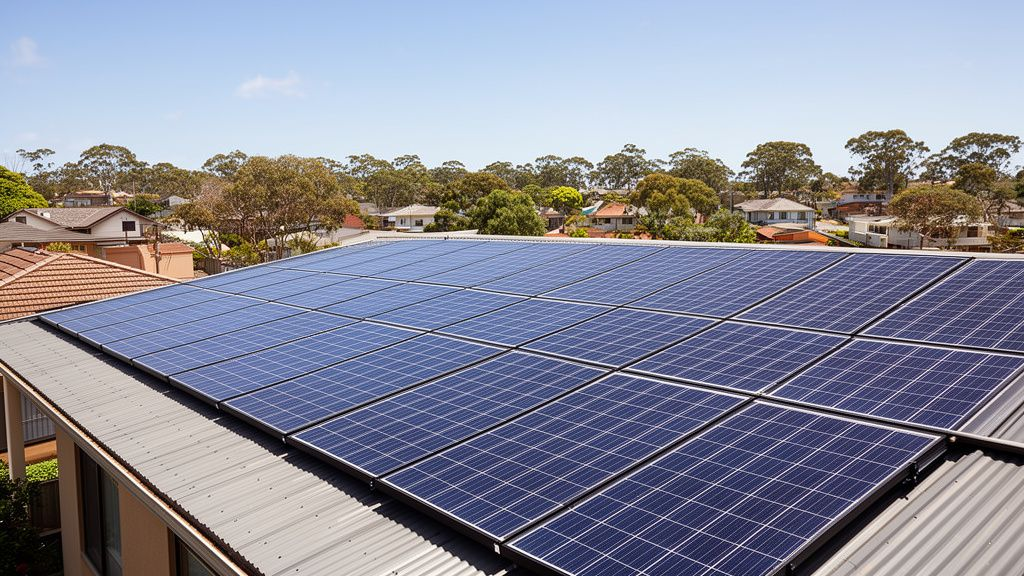
TL;DR: Designing an efficient residential solar system requires aligning physical installation metrics—such as a 33.9° tilt angle and northern orientation—with local climate realities. This guide analyzes Sydney's microclimates, seasonal outputs across multiple system sizes, and layout strategies to maximize generation.
Sydney's Climate Context
Sydney's climate is highly suitable for solar energy generation. The region enjoys an average of 6.8 hours of sunshine per day, which is higher than Melbourne's average of 6 hours. Sydney also experiences mild winters, which helps maintain steady solar generation throughout the year and reduces the energy required for home heating.
However, a solar system's performance depends on how well it is designed and positioned relative to local weather patterns, microclimates, and physical installation angles.
System Sizing and Daily Production Metrics
Choosing the right system size is critical to meeting a household's daily energy needs. A typical 8kW solar system in Sydney generates an average of 32 kWh of electricity per day. The table below outlines the average daily output for common residential system sizes in the Sydney region:
- 3kW System: 12.0 kWh per day
- 4kW System: 16.0 kWh per day
- 5kW System: 20.0 kWh per day
- 6.6kW System: 26.4 kWh per day
- 8kW System: 32.0 kWh per day
- 10kW System: 40.0 kWh per day
- 13kW System: 52.0 kWh per day
These production averages can help homeowners select a system size that matches their daily electricity consumption, whether they want to offset a portion of their bill or transition entirely to solar power.
The Importance of Roof Pitch and Orientation
To maximize solar generation, panels must be installed at the correct angle and orientation. In Sydney, the ideal panel angle is 33.9°, which matches the city's latitude. If a home has a flat roof, installers must use angled tilt frames to mount the panels. This tilt is necessary to allow rainwater to run off the panels, naturally washing away dust and dirt that would otherwise block sunlight and reduce efficiency.
In terms of orientation, panels should face true North to capture the most sunlight throughout the day. However, an East/West orientation can still deliver strong results, especially for households that use more electricity during the morning and late afternoon hours when these panels are actively generating power.
Microclimate Variability: Penrith versus the City Centre
Greater Sydney features several distinct microclimates that affect both solar system performance and household energy consumption. Bureau of Meteorology data reveals that inland suburbs, such as Penrith, are warmer than the coastal City Centre, with an average temperature difference of 3°C across the year. The table below details these seasonal temperature differences:


| Season | City Centre | Penrith | Difference |
|---|---|---|---|
| Summer | 25.7°C | 30.1°C | 4.4°C |
| Autumn | 22.3°C | 24.5°C | 2.2°C |
| Winter | 17.1°C | 18.7°C | 1.6°C |
| Spring | 22.0°C | 25.7°C | 3.7°C |
| Annual Average | 21.8°C | 24.8°C | 3.0°C |
This temperature gap has two main impacts on solar system design:
- Lower Efficiency in Summer: During summer, Penrith's average temperature is 4.4°C higher than the City Centre's. Since solar panels lose efficiency as they get hotter, Western Sydney systems may experience a slight drop in output during peak summer heat.
- Higher Energy Demand: The higher summer temperatures in Western Sydney increase the demand for air conditioning, meaning these households generally require larger solar arrays or battery storage to offset their peak cooling costs.
Key Takeaways
- Strong Solar Resource: Sydney averages 6.8 hours of sunshine daily, providing better generation potential than Melbourne's 6-hour average.
- Consistent System Outputs: Residential systems in Sydney generate predictable daily yields, ranging from 12 kWh for a 3kW system up to 52 kWh for a 13kW system.
- Optimal Physical Setup: For best performance, panels should be oriented to the North and pitched at an angle of 33.9°.
- Flat Roof Considerations: Flat roof installations require angled tilt frames to ensure rain can clean the panels and maintain generation efficiency.
- Microclimate Impacts: Penrith is 3°C warmer on average than the City Centre, which increases summer cooling demands and slightly reduces solar panel efficiency during hot-operating efficiency.


