TL;DR: Western Australia's Emergency Solar Management guidelines apply to new or upgraded solar installations up to 30 kVA. Designed to maintain grid stability during periods of peak solar generation—when rooftop solar provides up to 64% of midday energy—the framework ensures the state's power network remains secure as renewable energy use grows.
The Growth of Renewables in Western Australia
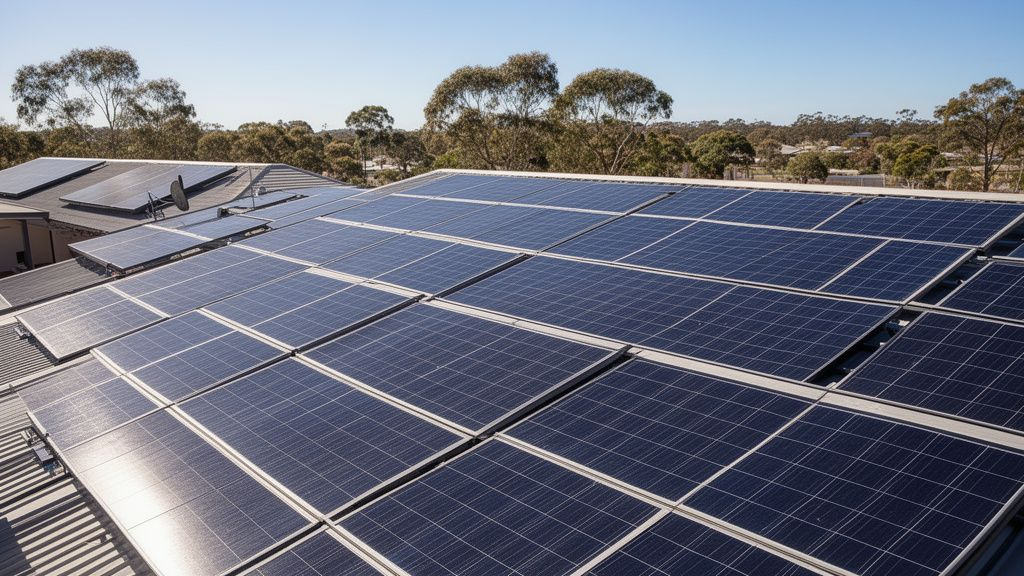
Western Australia is experiencing an unprecedented boom in rooftop solar installations. Rooftop solar PV systems are already capable of providing as much as 64 percent of the total energy used across the state during the middle of the day. Overall, renewable energy generation accounts for more than 30.4 percent of all electricity consumed in Western Australia.
While this high level of solar generation represents a major milestone for clean energy, it also introduces physical challenges for the electricity grid. During the middle of the day, when solar generation is at its peak and electricity demand is relatively low, an oversupply of solar energy can threaten grid stability. To manage this risk, the state government has introduced Emergency Solar Management guidelines.
What is Emergency Solar Management?
Emergency Solar Management is a mechanism that allows the state's grid operator to temporarily manage or limit the export of electricity from residential solar systems during rare, extreme situations. These emergency events occur when low electricity demand coincides with extremely high solar generation, risking widespread power instability.
This framework applies specifically to new or upgraded solar systems up to 30 kVA in capacity. Larger commercial installations are managed under different utility frameworks, meaning these consumer guidelines focus on residential and small-scale commercial systems.
By establishing a system that can manage these peak events, Western Australia can safely continue to integrate more rooftop solar systems without risking the security of the local electricity network.
Impact on New and Existing Solar Owners
Homeowners planning to install a new solar system or upgrade their existing system will be required to install equipment that is compatible with Western Australia's Emergency Solar Management standards. This technology allows the grid operator to remotely signal the inverter to temporarily reduce or suspend energy exports during an emergency event.


For existing solar owners who do not make any changes or upgrades to their systems, the new guidelines do not apply. Their current solar setups will continue to operate as normal without modification.
Battery Storage and Maximizing Solar Efficiency
One of the most effective ways for homeowners to minimize the impact of Emergency Solar Management is by installing a battery storage system. Home battery systems allow users to store excess solar energy generated during the middle of the day instead of exporting it to the grid.
This stored energy can then be used to power the home during the evening when grid electricity rates are higher. Crucially, even during an active Emergency Solar Management event, homeowners can still use their solar panels to power their own homes and charge their batteries directly, reducing their reliance on the grid and maximizing their return on investment.
Integrating household batteries also helps the wider grid by smoothing out the midday generation peak. This self-consumption strategy aligns with broader federal initiatives, such as the 2025 Cheaper Home Batteries Program, which subsidized 30 percent of the upfront cost of home battery systems to encourage residential energy independence.
Key Takeaways
- Targeted System Size: Emergency Solar Management guidelines apply to new or upgraded solar systems up to 30 kVA.
- Midday Generation Peak: Rooftop solar PV systems currently provide up to 64% of Western Australia's electricity during the middle of the day.
- State Renewable Share: Renewable energy sources generate more than 30.4% of all electricity used across Western Australia.
- Focus on Upgrades: The rules apply only to new installations and system upgrades; existing, unmodified residential solar systems are not affected.
- Battery Independence: Homeowners can still utilize solar power to run their homes and charge their batteries during an Emergency Solar Management event.
- Grid Stability: The initiative protects the electricity network from oversupply issues during low-demand, high-generation periods.