Electricity vs. Gas: Which Fuel Type is Cheaper for Australian Homes?
Introduction: The Great Australian Energy Debate
For decades, Australian households have wrestled with a fundamental question: which is cheaper, electricity or gas? Historically, gas often held the crown for heating and hot water, seen as the more economical choice. But the energy landscape Down Under is transforming at an unprecedented pace. With the rise of solar power, increasingly efficient electric appliances, and a growing national push towards decarbonisation, the old assumptions are being challenged. As you navigate the maze of daily supply charges, usage rates, and the impact of renewables, understanding the true costs of each fuel type is more critical than ever for your hip pocket and the planet.
The Shifting Sands of Energy Costs
Let's peel back the layers on how each fuel source typically stacks up.
Understanding Electricity Costs
When you receive your electricity bill, you’ll generally see two main components:
- Daily Supply Charge: A fixed daily fee, regardless of how much power you use. This typically ranges from $0.80 to $1.50 per day across Australia, depending on your location and retailer.
- Usage Charges (Tariff): This is what you pay for each kilowatt-hour (kWh) of electricity consumed. Rates vary significantly by state, retailer, and the time of day if you're on a time-of-use tariff. Expect anything from $0.25 to $0.45 per kWh for general usage. Peak rates can be even higher, while off-peak or controlled load rates are considerably lower.
The Game Changer: Solar Power
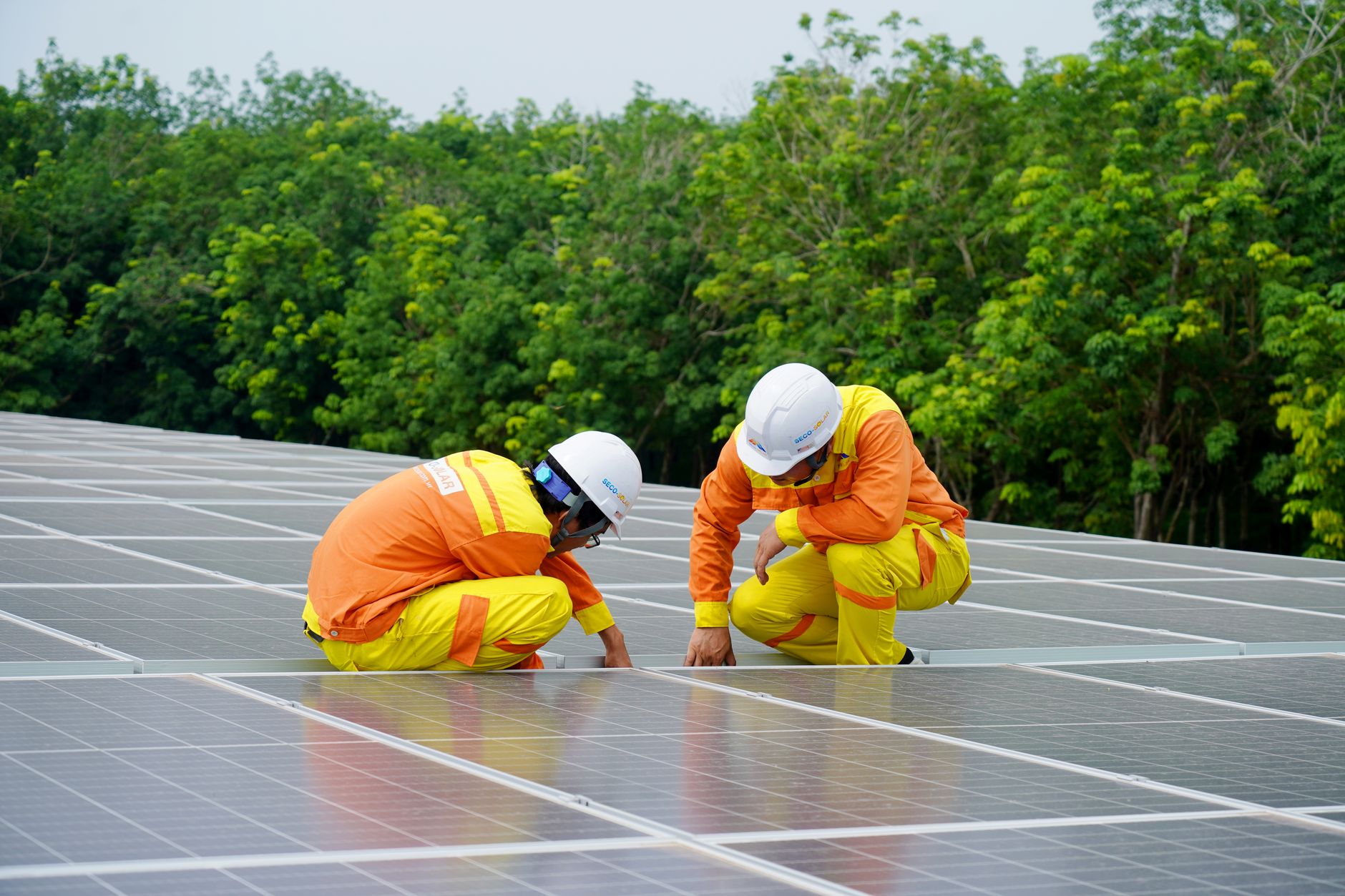
This is where electricity truly shines. For households with rooftop solar panels, a substantial portion, or even all, of their daytime electricity needs can be met by self-generated power. This drastically reduces the amount of electricity you need to buy from the grid, often bringing your effective usage cost down to zero during sunny hours. Any surplus electricity can be exported back to the grid, earning you a Feed-in Tariff (FiT), typically between $0.05 and $0.15 per kWh, further offsetting your overall bill. With a battery storage system, you can store your excess solar power to use at night, virtually eliminating expensive peak rate purchases.
Understanding Gas Costs
Gas bills also have a similar structure:
- Daily Supply Charge: A fixed daily connection fee, usually between $0.70 and $1.20, depending on your provider and region.
- Usage Charges: You're charged per megajoule (MJ) or, less commonly, per kWh of gas consumed. Prices can range from $0.02 to $0.04 per MJ. To accurately compare with electricity, remember that 1 kWh is approximately 3.6 MJ. This means a gas price of $0.03/MJ is roughly equivalent to $0.108/kWh.
Unlike electricity, gas consumption patterns don't typically benefit from time-of-use tariffs in the same way, nor do you have the option to "generate" your own gas at home.
Appliance Showdown: Efficiency is Key
The choice of fuel often comes down to specific appliances and their efficiency.
Heating and Cooling
- Gas Heating: Traditional gas ducted heating systems or gas space heaters can be expensive to run, especially with rising gas prices and the inherent energy losses in combustion.
- Electric Heating (Reverse Cycle Air Conditioners): Modern reverse cycle air conditioners (which are a type of heat pump) are incredibly efficient. They don't generate heat, but rather move it, often providing 3-5 times more heating/cooling energy than the electrical energy they consume. This makes them a far more cost-effective heating solution than direct electric or gas heaters, particularly when powered by solar.
Hot Water


- Gas Hot Water: Gas storage or instantaneous systems are common. Their running costs depend on gas prices and the volume of water used.
- Electric Hot Water (Heat Pumps): Like their heating/cooling counterparts, electric heat pump hot water systems are dramatically more efficient than traditional electric resistive heaters, and often prove more cost-effective than gas. They use a fraction of the electricity to heat water, making them an ideal partner for solar power, as they can often run during the day using free solar energy.
Cooking
- Gas Cooktops: Many chefs swear by gas for its instant heat and perceived precise control.
- Electric Cooktops (Induction): Induction cooktops offer superior energy efficiency (up to 90% heat transfer), faster heating, and even finer low-temperature control than gas. They are also safer (no open flame, cooler surface) and easier to clean. While the initial investment might be higher, their running costs are typically lower, especially if you're powering them with solar.
The Solar Advantage: Why Electricity is Winning
For Australian homeowners, solar power fundamentally changes the "electricity vs. gas" equation. If you're generating your own clean electricity, the running costs of electric appliances plummet.
- Reduced Grid Dependency: Every kWh you generate and use yourself is a kWh you don't pay the grid for.
- Future-Proofing: Grid electricity prices are prone to volatility and upward trends. By electrifying your home and adding solar, you gain a significant degree of control over your energy costs, insulating yourself from future price shocks.
- Environmental Impact: Moving away from fossil gas and towards solar-powered electricity significantly reduces your household's carbon footprint, contributing to Australia's net-zero goals and a cleaner environment.
- Government Incentives: Both federal and state governments are increasingly offering rebates and incentives for energy-efficient electric appliances (like heat pump hot water systems) and solar/battery installations, further sweetening the deal for electrification.
The Verdict: A Clear Path to Electrification
While a direct comparison of raw MJ vs. kWh prices might occasionally make gas seem cheaper on paper for some applications, this narrow view misses the bigger picture. When you factor in the incredible efficiency of modern electric appliances (especially heat pumps for heating, cooling, and hot water), the transformative impact of rooftop solar, and the rapidly decreasing cost of generating your own power, electricity emerges as the clear winner for long-term savings and sustainability in Australian homes.
The trend is undeniable: Australia is electrifying. From your heating and cooling to your hot water and cooking, transitioning away from gas and harnessing the power of the sun offers a pathway to a cheaper, cleaner, and more resilient energy future. If you're contemplating your next appliance upgrade or simply looking to cut down on your energy bills, it's time to seriously consider making the switch to an all-electric, solar-powered home.
Ready to electrify your home and discover your true savings?
Read More
For a comprehensive overview, check out our master guide: Read the Full Guide Here.


