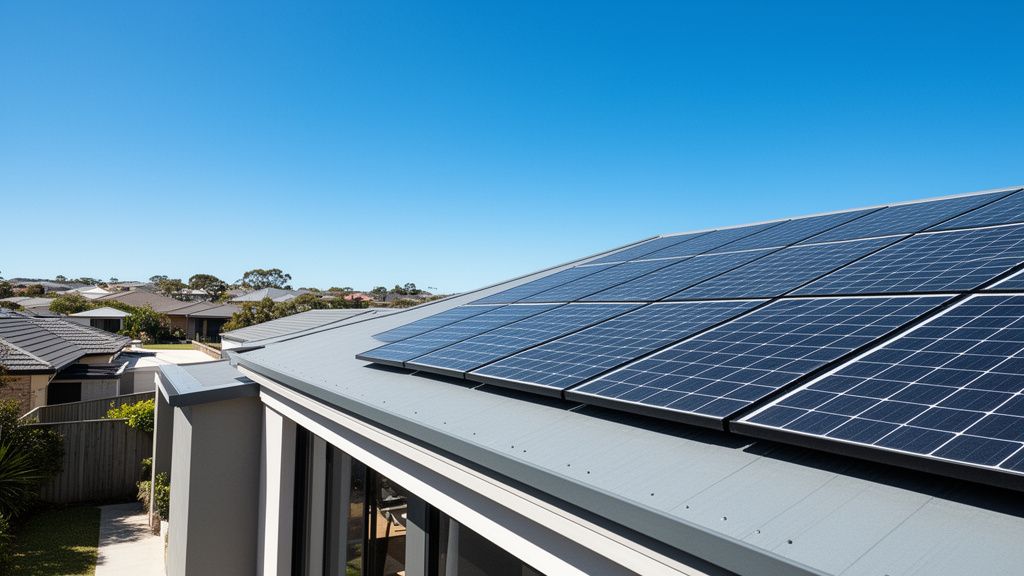
TL;DR: Older Australian homes often require electrical system upgrades like switchboard replacements and wiring improvements to safely handle solar power output, ensuring compliance, efficiency, and future readiness for battery storage. These upgrades prevent hazards and allow your solar system to operate optimally, protecting your investment.
What Is the Purpose of Electrical System Upgrades for Solar Readiness?
Electrical system upgrades are crucial for solar readiness to ensure your home can safely, efficiently, and compliantly integrate and manage the new electricity generated by your solar panels. Modern solar systems introduce a significant amount of power into your home's existing electrical infrastructure, which was often designed for a unidirectional flow of electricity from the grid. Without adequate upgrades, an older system can pose serious safety risks, including electrical fires, system inefficiencies, and even failure to comply with Australian electrical standards. These upgrades future-proof your home, ensuring it can not only handle the solar power but also potentially integrate battery storage down the track, providing a robust and reliable energy solution for decades.
How Do Existing Switchboards Impact Solar System Performance?
Your existing switchboard, often called a meter box, is the heart of your home's electrical system, housing fuses or circuit breakers that protect your wiring. Older switchboards with ceramic fuses or limited circuit breaker space are rarely equipped to handle the demands of a new solar system. A solar inverter needs its own dedicated circuit breaker, and if your switchboard lacks the capacity or is outdated, it can't safely connect the solar output to your home and the grid. This can lead to frequent tripping, voltage issues, or, in worst-case scenarios, overheating and fire hazards, compromising both the safety and the efficiency of your solar investment.
Why Are Earthing and Surge Protection Critical for Solar Power?
Proper earthing (grounding) and surge protection are non-negotiable for any solar installation in Australia. Earthing provides a critical safety path for electricity to flow harmlessly into the earth in case of a fault, protecting people and equipment from electric shocks. With solar, faults can originate from the DC side of the system, making robust earthing even more important. Surge protection devices (SPDs), on the other hand, shield your sensitive solar components (like the inverter) and home appliances from damaging voltage spikes caused by lightning strikes or grid fluctuations. Without adequate protection, a single surge could destroy expensive solar equipment, leading to costly repairs and system downtime.
What Specific Electrical Components Usually Require Upgrading for Solar?
Several specific electrical components typically require attention or complete upgrading when preparing a home for solar power output. The most common is the main switchboard, which often needs to be replaced or significantly modified to accommodate modern circuit breakers, safety switches, and a dedicated breaker for the solar inverter. Older homes might also require new or upgraded wiring, especially if existing circuits are not up to current standards or cannot safely carry the new electrical load. Furthermore, a smart meter (or a 'net meter') is almost always installed or upgraded, as this device accurately measures both electricity imported from and exported to the grid, which is essential for billing and feed-in tariff calculations.
When is a Switchboard Upgrade to a Modern Standard Necessary?
A switchboard upgrade to a modern standard is necessary if your current board uses outdated ceramic fuses, lacks sufficient space for new circuit breakers, or doesn't have essential safety features like Residual Current Devices (RCDs or safety switches) on all circuits. For solar, you'll need at least one dedicated circuit breaker for the inverter. If your existing board is full, damaged, or non-compliant with AS/NZS 3000 (the Australian Wiring Rules), a full replacement is usually the safest and most cost-effective long-term solution. A modern switchboard not only enhances safety and compliance but also provides the flexibility to add future electrical loads or battery storage.
Do I Need Dedicated Circuits for Solar Components and Batteries?
Yes, dedicated circuits are generally required for key solar components, especially the solar inverter. This ensures that the inverter has a safe and stable connection to your home's electrical system and the grid, without overloading existing circuits designed for other appliances. If you plan to install a solar battery storage system, this will also require its own dedicated circuitry and protection within the switchboard. These dedicated circuits prevent potential electrical overloads, improve system reliability, and simplify fault finding, ensuring that your solar system operates safely and efficiently according to Australian electrical standards.


How Much Do Typical Solar-Related Electrical Upgrades Cost in Australia?
The cost of typical solar-related electrical upgrades in Australia can vary significantly based on the existing electrical infrastructure of your home and the extent of work required. For many homes, a basic switchboard upgrade to accommodate solar might range from $800 to $1,500. However, if a complete switchboard replacement is needed, including new safety switches and a modern enclosure, you could expect to pay anywhere from $1,500 to $3,000. More extensive work, such as partial rewiring, upgrading the main earth, or installing a new main power supply from the street, can push these costs higher, potentially reaching $3,000 to $5,000 or more. It's crucial to obtain a detailed quote from a licensed electrician.
What Are the Estimated Costs for Switchboard Replacements for Solar?
Estimated costs for switchboard replacements specifically for solar integration typically range from $1,500 to $3,000 for a standard residential property in Australia. This usually covers the removal of the old fuse box, installation of a new modern switchboard with circuit breakers and RCDs, and making space for the solar inverter's dedicated breaker. The price can increase if additional work is needed, such as upgrading the service fuse, installing a new electrical meter panel, or if asbestos is present in older meter boxes requiring specialised removal. Factors like accessibility and the complexity of integrating with existing wiring also influence the final cost.
What Are the Variable Costs of Wiring and Earthing Upgrades?
The variable costs associated with wiring and earthing upgrades can range from a few hundred dollars to several thousand, depending on the scope. A simple upgrade to the main earth might cost $300 to $700. However, if your home has very old wiring that's deemed unsafe or insufficient for the new solar load, partial or full rewiring could be required, which can be a much larger expense, potentially $2,000 to $10,000 or more depending on the size of the house and the extent of the rewiring. These costs are highly dependent on the initial assessment by a licensed electrician, who will identify specific deficiencies and provide a tailored quote.
Who is Qualified to Assess and Perform These Essential Electrical Upgrades?
Only a licensed and qualified electrician is permitted to assess and perform essential electrical upgrades for solar power in Australia. This is a non-negotiable requirement due to the inherent dangers of working with live electricity and the strict compliance standards outlined in the Australian Wiring Rules (AS/NZS 3000). Furthermore, for the solar installation itself, it is mandatory to use a Clean Energy Council (CEC) accredited installer. While the CEC accreditation specifically covers the solar panel and inverter installation, many solar companies employ or partner with licensed electricians who are also familiar with the specific requirements for integrating solar into a home's existing electrical system, ensuring a seamless and compliant process from start to finish.
Why is a Licensed Electrician Non-Negotiable for Solar Electrical Work?
A licensed electrician is non-negotiable for all solar electrical work because they possess the legal qualifications, training, and insurance necessary to safely modify your home's electrical system. Working with electricity without proper licensing is extremely dangerous and illegal, voiding insurance and potentially leading to serious accidents or non-compliant installations that may fail inspections. A licensed electrician understands the intricacies of grid connections, safety standards, and the specific demands of solar power, ensuring that all upgrades are performed correctly, comply with local regulations, and are eligible for any applicable warranties or rebates.
What Role Does CEC Accreditation Play in Solar-Related Upgrades?
While a general licensed electrician handles the core electrical infrastructure upgrades, Clean Energy Council (CEC) accreditation specifically applies to the design and installation of the solar PV system itself (panels, inverter, mounting). Many reputable solar companies have both CEC-accredited installers for the solar components and licensed electricians for the necessary electrical upgrades. The CEC accreditation ensures that the solar system meets high quality and safety standards, and it's often a prerequisite for accessing government rebates or feed-in tariff schemes. For a comprehensive and compliant solar installation, you need both – a licensed electrician for the house's electrical system and a CEC-accredited professional for the solar PV system.
Key Takeaways
- Get a licensed electrician to conduct a thorough pre-solar electrical assessment of your home.
- Prioritise upgrading your switchboard to a modern standard to ensure safety and capacity for solar integration.
- Ensure your home has robust earthing and adequate surge protection to protect both people and solar equipment.
- Budget for potential electrical upgrades, which can range from $800 to $5,000+, as part of your total solar investment.
- Always use a licensed electrician for electrical upgrades and a CEC-accredited installer for the solar PV system to ensure compliance and safety.
Read More
For a comprehensive overview, check out our master guide: Read the Full Guide Here.