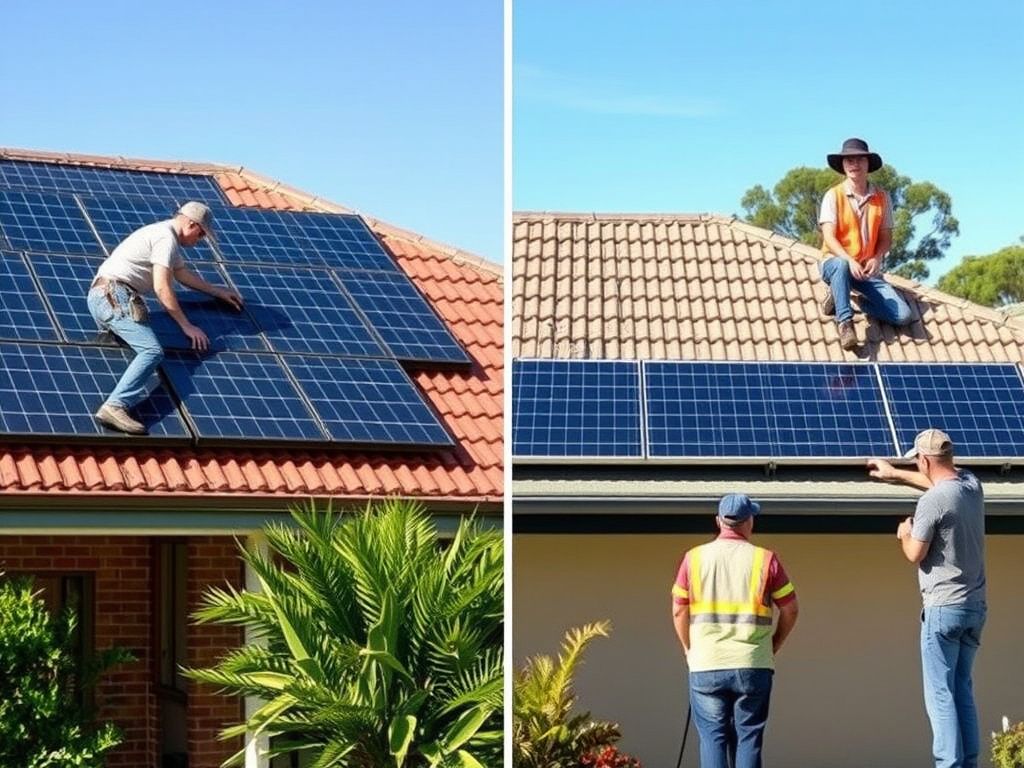
DIY vs Professional Solar Panel Disposal: What You Need to Know
So your solar panels need to come down. Maybe they're old and underperforming. Maybe you're upgrading to a bigger system. Maybe a hailstorm made the decision for you. Whatever the reason, you're now facing a practical question: do you handle the disposal yourself, or pay someone to do it?
It's not as simple as it sounds. There are safety risks, regulatory requirements, cost considerations, and environmental responsibilities to weigh up. Let's walk through both options so you can make an informed choice.
For the full recycling picture, see our Complete 2026 Guide to Solar Panel Recycling in Australia.
Option 1: DIY Disposal
"DIY" in this context means you're handling some or all of the process yourself — from removing panels off the roof to transporting them to a recycling facility or collection point.
What's Involved
Panel removal (if still on the roof):
- Disconnecting the panels from the solar system's wiring.
- Unbolting panels from the mounting rails.
- Safely lowering panels to the ground.
Transport:
- Loading panels into a ute, trailer, or van.
- Driving to a recycling facility, council e-waste collection point, or a drop-off site under the national pilot program.
Drop-off:
- Presenting the panels at the facility and completing any required paperwork.
The Risks
Electrical hazard: This is the big one. Solar panels generate electricity whenever light hits them — you can't "turn them off." Even on a cloudy day, panels produce enough voltage to cause serious injury or death. Disconnecting live DC wiring without proper training and equipment is genuinely dangerous.
Falls from height: Roof work is one of the leading causes of workplace injury and death in Australia. If you're not experienced in working at height, climbing onto a roof to remove panels is a significant risk.
Physical injury: Panels weigh 18–22 kg each and are awkward to handle, especially on a pitched roof. Dropping a panel can cause injury and also shatter the glass, creating sharp hazard waste.
Regulatory issues: In most Australian states, disconnecting solar panels from a grid-connected system must be performed by a licensed electrician. Doing it yourself may void your insurance, breach electrical safety regulations, and potentially attract fines.
When DIY Makes Sense
- Panels are already off the roof — e.g., they were removed by a licensed installer during a system upgrade, and you just need to get them to a recycler.
- You have a suitable vehicle — a ute or trailer that can safely transport panels flat without breaking them.
- A collection point is nearby — the national pilot program or your local council offers a convenient drop-off option.
- You're comfortable with the logistics — loading, transporting, and unloading 18–22 kg glass-and-aluminium panels.
DIY Cost Estimate
- Panel removal by licensed electrician (if needed): $200–500 depending on system size and complexity.
- Transport: fuel costs + your time. Possibly trailer hire ($50–100/day).
- Recycling fee at drop-off: $0 (under the pilot program for up to 10 panels) or $15–30 per panel at a commercial recycler.
- Total for a typical 10-panel system: $200–800 (assuming you need an electrician for disconnection).
Option 2: Professional Disposal
"Professional" means a solar installer, specialist waste company, or accredited recycler handles the entire process — removal, transport, and recycling.
What's Involved
- A licensed installer or electrician safely disconnects and removes the panels from your roof.
- Panels are loaded onto a vehicle and transported to an accredited recycling facility.
- You receive a recycling certificate confirming responsible disposal.
Many installers now offer panel disposal as part of a system upgrade package — they remove the old panels and install the new ones in a single visit.


The Advantages
Safety: Professionals have the training, equipment, and insurance to work safely on roofs and with live electrical systems. No risk to you.
Compliance: Licensed electricians handle the disconnection, keeping you on the right side of electrical safety regulations and your insurance policy.
Convenience: It's a phone call and a date in the diary. No loading panels into your ute, no driving to a recycler, no paperwork.
Accountability: Reputable companies provide documentation proving your panels were recycled responsibly — important for peace of mind and, for businesses, regulatory compliance.
The Disadvantages
Cost: Professional disposal is more expensive than doing it yourself. You're paying for labour, transport, and potentially the recycler's processing fee.
Availability: In regional areas, finding a professional service can be challenging. You may need to wait for a scheduled collection run.
Professional Disposal Cost Estimate
- Removal + disposal as part of a system upgrade: Often included in the upgrade quote or charged at $100–300 for the whole job (since the installer is already on-site).
- Standalone removal + disposal (no new system being installed): $300–800 for a typical residential system, depending on location, roof access, and panel count.
- Commercial/large volumes: Specialist waste companies often quote per-panel rates ($15–30/panel) with collection included for volumes over 50 panels.
Head-to-Head Comparison
| Factor | DIY | Professional |
|---|---|---|
| Cost | Lower (if panels already off roof) | Higher, but more predictable |
| Safety | Higher risk — electrical and falls | Low risk — trained professionals |
| Legal compliance | You must engage an electrician for disconnection | Fully compliant |
| Convenience | More effort and time | Minimal effort |
| Documentation | You arrange your own receipt | Certificate provided |
| Best for | Panels already removed; nearby drop-off available | Panels still on roof; system upgrades; peace of mind |
Our Recommendation
For most Australian homeowners, professional disposal is the better choice — especially if panels are still on the roof. The safety risks of DIY roof work and electrical disconnection are real and serious, and the cost difference is often smaller than people expect (particularly when disposal is bundled with a system upgrade).
DIY disposal makes sense when:
- Panels are already safely on the ground.
- You have transport and a nearby drop-off point.
- You're comfortable handling the logistics.
Professional disposal is worth the money when:
- Panels need to come off the roof.
- You want guaranteed compliance and documentation.
- You're doing a system upgrade anyway.
- You value your time and safety.
Finding the Right Professional
If you go the professional route:
- Ask your installer — if you're upgrading, disposal should be part of the conversation.
- Check accreditation — use the Clean Energy Council's directory to find accredited installers.
- Ask about recycling — make sure panels are going to an accredited recycler, not landfill.
- Get it in writing — ensure your quote includes responsible disposal and ask for a recycling certificate.
The national pilot program can also connect you with accredited collection services. Learn more: Australia's New Solar Panel Recycling Pilot Program Explained
The Bottom Line
Whether you go DIY or professional, the most important thing is that your old panels don't end up in landfill. Both paths can lead to responsible recycling — it's just a matter of matching the approach to your situation.
Your panels powered your home for years. Give them a proper send-off.